
Recovering from a stroke is a deeply personal journey that affects every aspect of life — physical, emotional, financial, and relational. Whether the stroke was mild or severe, understanding what comes next is critical for both the patient and their support system.
A stroke, also known as a CVA (Cerebrovascular Accident), disrupts normal brain function and often leads to sudden and lasting consequences. These after-effects can range from paralysis to memory issues, making recovery a complex process.
In this article, we break down the seven most important things you should know about recovery from a stroke. Whether you are a patient, caregiver, or family member, these insights will help you navigate life after a stroke with more confidence and clarity.
1. Every Stroke and Recovery Journey Is Unique
No two strokes are the same, and recovery outcomes can vary widely depending on the stroke’s location, severity, and the patient’s pre-existing health. Tools like the Cincinnati Stroke Scale and the NIH Stroke Scale help evaluate stroke severity, but they don’t predict recovery timelines.
For example, a young stroke victim may recover more quickly due to better physical resilience, while older patients may see a slower, more complicated healing process. Understanding these individual differences can set realistic expectations and guide better planning.
- Younger patients may show faster recovery potential
- Severity and location of stroke affect function loss
- Assessments like the NIH or Cincinnati Stroke Scale help identify initial deficits
2. Recovery Time Varies — Be Patient With the Process
The recovery time for stroke patients ranges from weeks to years, and progress often comes in stages. Initial gains may happen quickly, especially during the first three months, a critical window for rehabilitation. However, improvements can continue over a longer term with consistent effort.
Paralysis recovery time after stroke can differ drastically. Some individuals regain partial or full mobility, while others might face lasting motor difficulties. Measuring progress through tools like the Postural Assessment Scale for Stroke Patients can help health providers tailor treatment effectively.
- Most rapid recovery happens within the first 3–6 months
- Motor skill rehabilitation often takes longer than speech or memory
- Patience and consistency are key to long-term results
3. Mental Health Support Is Just As Important as Physical Care
Depression after stroke is common, affecting about one-third of stroke survivors. It can delay physical healing and reduce motivation for therapy. Recognizing the emotional changes post-stroke is essential for full recovery.
Mood swings, anxiety, and even post-stroke pain (noted in medical coding as post stroke pain ICD 10) often go unnoticed but can significantly reduce life quality. Counseling, medication, or peer support can help manage these challenges.
- Watch for signs of depression or emotional withdrawal
- Include mental health professionals in recovery plans
- Open family communication helps reduce isolation
4. Care After Stroke Requires a Strong and Supportive Network
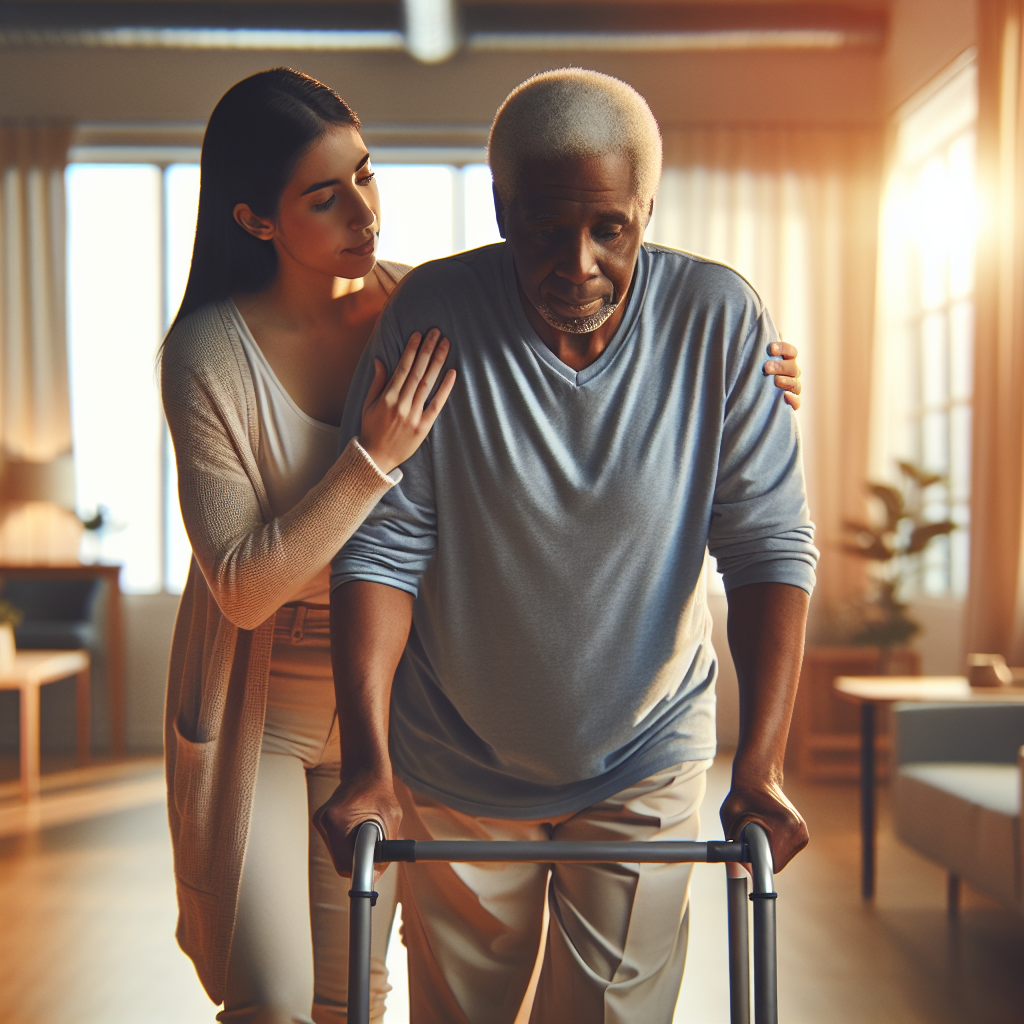
Recovery doesn’t happen in isolation. Family and caregivers play a huge role—from daily assistance to emotional encouragement. However, this often leads to caregiver fatigue or strained family dynamics.
Setting realistic expectations, developing routines, and rotating responsibilities can help avoid burnout. Professional caregiving or home health support may also be necessary for longer-term needs.
- Caregiving impacts family finances and relationships
- Respite care helps families avoid exhaustion
- Regular check-ins improve coordination and well-being
5. New Treatments Like Stem Cells Offer Hope, But Aren’t Mainstream Yet
Advancements in stroke recovery research, like stem cells for stroke recovery, show promise—especially in experimental settings. While they might help repair damaged brain tissue, these treatments are still largely in clinical trial stages and not widely available.
Consulting with a neurologist or rehabilitation specialist before considering new therapies is essential. Current gold-standard recovery still includes physiotherapy, occupational therapy, and speech therapy.
- Stem cell therapy is not routinely available yet
- Always confirm treatment options with licensed professionals
- Stay informed through verified sources like the World Stroke Organization
6. Financial and Career Planning Is Part of Recovery Too
Stroke can impact a person’s ability to work, drive, or manage finances. Especially when caregiving becomes a full-time need, families may face unexpected costs.
Government assistance, disability benefits, and workplace reintegration programs can ease this burden, but navigating them takes planning and sometimes professional advice.
- Re-examine household budgets early
- Explore disability and home care coverage options
- Return-to-work may require gradual steps or retraining
7. Measuring Progress Keeps Motivation High
Using validated tools to track progress boosts morale. Tests like the Postural Assessment Scale for Stroke Patients or motor-function scales help highlight improvement, even when it feels slow.
Celebrate small wins — like being able to brush teeth unaided or walk a few steps — as these build confidence and momentum toward bigger goals.
- Progress can be physical, emotional, or cognitive
- Regular assessments guide therapy adjustments
- Celebrate milestones to maintain positivity
Frequently Asked Questions
It varies — most recovery occurs within the first six months, but improvement can continue for years depending on the stroke’s severity and therapy consistency.
Generally, younger patients have better recovery potential due to higher physical resilience, but outcomes still depend on stroke type, location, and care.
They can help with daily routines, emotional encouragement, and by coordinating with therapists and doctors to ensure consistent care after stroke.
Yes, it can affect a third of stroke patients. Recognizing signs early and seeking mental health support can make a big difference.
Some clinical trials for stem cells in stroke recovery exist, but these are not yet standard treatments. Always consult medical professionals before considering them.
It varies widely; some recover within weeks, while others take months or more, depending on the stroke’s severity and therapy efforts.
It measures balance and mobility skills to guide physical rehabilitation progress and treatment planning.