
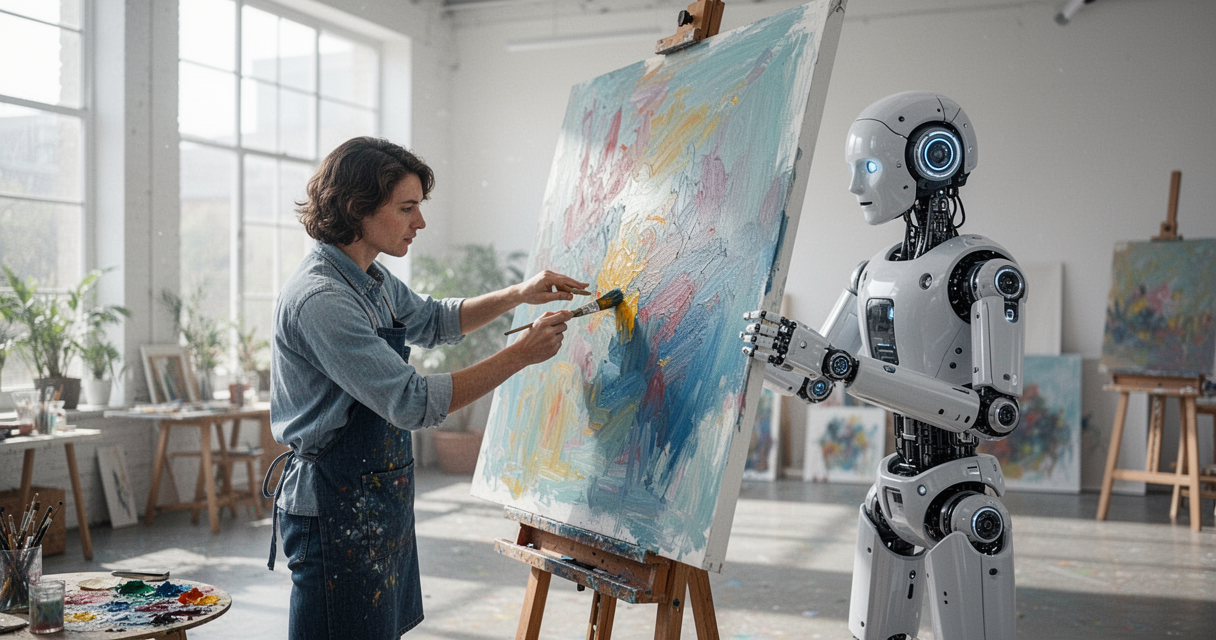
As AI-generated art becomes increasingly popular, it raises important questions about creativity, ownership, and responsibility. For Australian strata managers juggling multiple maintenance tasks, understanding the ethics of AI art can offer fresh perspectives on digital innovation and compliance, even beyond their immediate work.
The ethics of AI is a growing topic in public and professional discussions. Particularly, AI and art ethics challenge traditional notions about authorship and creative rights while exploring fairness and transparency.
This article explores the ethics around AI art, practical issues arising from AI-generated creations, and existing AI ethics frameworks. We’ll also touch on how AI ethics news evolves and why philosophy remains relevant in shaping responsible AI use.
Whether you’re curious about the best AI for philosophy, interested in AI-generated art ethics, or want a clearer understanding of how AI impacts creative fields, this guide will clarify key points and real-world implications.
Let’s start by defining what ethical concerns surface as artificial intelligence reshapes the art world and beyond.
Understanding the Ethics of AI
AI ethics broadly addresses the moral principles guiding the development and use of artificial intelligence systems. It asks how AI should behave, how creators should build it, and what societal impacts arise from its adoption.
When applied to art, AI ethics focuses on issues like authorship, authenticity, and the value of creativity. AI systems can create paintings, music, and writing by learning from existing works, which leads to unique ethical challenges.
Key ethical values in AI include transparency, accountability, fairness, and respect for human creativity.
- Transparency: Clear disclosure when AI is used to create art or content.
- Accountability: Responsibility of creators and users for AI-generated outputs.
- Fairness: Preventing bias or unfair exploitation in AI art datasets and usage.
- Respect for human creativity: Balancing AI’s role with human artistic expression.
AI and Art Ethics: Intellectual Property and Authorship
One of the most debated ethics around AI concerns intellectual property (IP). Who owns the rights to AI-generated art? Can AI be considered an author or creator legally or ethically?
Currently, copyright laws generally require human authorship. This means AI-generated pieces usually belong to the person or entity controlling the AI. However, this legal framing is under constant review as AI’s creative capabilities grow.
The ethics of AI art must also consider the sources of training data. AI models often learn from thousands of existing artworks without explicit permission, raising concerns about plagiarism and creative theft.
- Clarify ownership between AI users, developers, and original data owners.
- Address consent and licensing of data used for training AI art models.
- Recognize human input as essential in the creative process for ethical legitimacy.
- Monitor evolving legislation regarding AI authorship and rights.
AI Ethics Frameworks Guiding Responsible AI Use
To manage the complexities of AI, various AI ethics frameworks have been proposed by governments, organizations, and academic bodies. These frameworks help guide AI development to align with human values and societal good.
Most AI ethics frameworks focus on principles such as safety, privacy, transparency, fairness, and accountability. Applying these to AI art supports ethical innovation without sacrificing legal or moral standards.
For those interested in AI and art ethics, keeping updated on AI ethics news helps track emerging guidelines and regulatory changes.
- Adopt AI ethics frameworks as a checklist for ethical AI art development.
- Integrate transparency measures about AI’s role in creative processes.
- Promote fairness by avoiding bias in datasets and respecting original artists’ rights.
- Ensure accountability by attributing AI outputs responsibly.
The Role of Philosophy: The Best AI for Philosophy in Understanding AI Ethics
Philosophy plays a crucial role in shaping the ethics of AI by exploring foundational questions about consciousness, creativity, and moral responsibility.
Philosophers study how AI challenges traditional ethical theories and develop new frameworks for emerging technologies, including AI-generated art.
The best AI for philosophy integrates interdisciplinary insights to aid ethical decision-making in AI’s evolving landscape.
- Examine moral questions about AI’s status as creator or tool.
- Explore the social impacts of AI replacing human roles in creativity.
- Develop ethical principles that adapt to rapidly changing technologies.
- Engage public discourse on AI’s cultural and artistic influence.
Practical Challenges and Ethical Considerations in AI-Generated Art
AI-generated art ethics also involves practical concerns. These include transparency about AI involvement, fair compensation for artists affected by AI competition, and the impact of AI on cultural diversity.
Ethical challenges arise around AI art flooding markets, potentially devaluing human craftsmanship or perpetuating stereotypes based on biased data inputs.
Striking a balance means acknowledging AI’s benefits in democratizing creativity while protecting artists’ rights and cultural integrity.
- Disclose clearly when artworks are AI-generated to maintain trust.
- Support and compensate human artists fairly amid AI tool usage.
- Avoid biased or culturally insensitive AI art through diverse datasets.
- Consider societal impacts before releasing AI-generated art publicly.
Frequently Asked Questions
The central issue is authorship and ownership, including who has the rights to AI-created works and whether AI can be credited as a creator.
They provide guiding principles like transparency, fairness, and accountability to ensure AI art is developed and used responsibly.
No, most copyright laws require a human author, so AI itself cannot legally be an artist or author.
Transparency helps audiences understand the extent of AI involvement, maintaining trust and avoiding deception.
Using unlicensed or biased artwork to train AI can raise issues of plagiarism and unfair representation.
Philosophy helps address the fundamental moral questions about AI’s role, creativity, and responsibility.
AI ethics news is available through academic journals, ethics organizations, and technology news platforms focused on AI developments.