
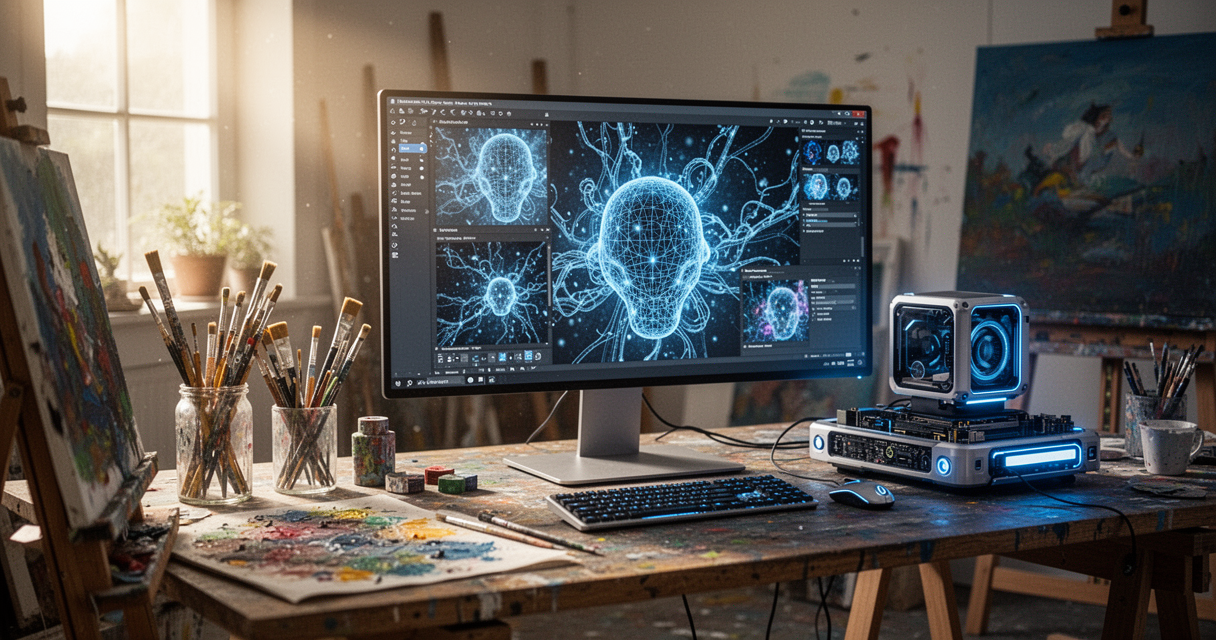
The rise of artificial intelligence in creative fields has led to a fascinating but complex intersection between technology and ethics. For many, AI-generated art represents an exciting frontier of innovation, while for others, it raises pressing questions about originality, ownership, and responsibility.
If you manage creative projects or are involved in art production, understanding the ethics of AI is essential to navigate vendor relationships, compliance risks, and audience expectations effectively.
This article explores the key ethical considerations around AI art, shedding light on current debates, frameworks guiding ethical AI, and how these issues impact artists, consumers, and society at large.
Defining AI Art and Its Ethical Dimensions
AI art refers to artworks created with the help of artificial intelligence algorithms, ranging from generated images and music to written content. Unlike traditional tools, AI can learn from vast datasets, generate novel outputs, and sometimes evolve independently.
The ethics around AI in art focus on questions of authorship, transparency, fairness, and societal impact. For instance, who owns the rights to AI-generated work? Should creators disclose when art is AI-assisted? These are foundational questions in the ethics of AI art.
- AI art blends computational creativity and human input.
- Ethical issues include copyright ownership and attribution.
- Transparency about AI’s role in creation is critical for trust.
- Understanding AI’s training data is key to addressing bias.
The Importance of an AI Ethics Framework
An AI ethics framework provides guidelines to ensure AI technologies are developed and used responsibly. In the context of AI art, such frameworks help address dilemmas related to fairness, accountability, and social consequences of automation in creativity.
These frameworks combine principles like respect for human rights, prevention of harm, and fostering inclusiveness. Organisations and creators who follow these ethical codes can better navigate the evolving legal and cultural landscape.
- Frameworks promote responsible use of AI tools in art.
- They help prevent misuse of AI-generated content.
- Encourage fair treatment for original artists and datasets.
- Aid in transparency and ethical disclosure practices.
AI and Art Ethics: Challenges and Controversies
One major ethical concern is the use of existing artworks as training data without consent or compensation, which some see as akin to plagiarism. Artists worry about how AI might devalue human artistry or flood markets with derivative works.
Another challenge is bias embedded in AI systems. If AI learns from skewed datasets, it can reproduce stereotypes or exclude certain cultural perspectives. This risks reinforcing inequality and diluting artistic diversity.
There is also an ongoing debate about whether AI-generated art can be considered truly creative or original, and how society should value such creations compared to human-made art.
- Unconsented use of artists’ works in AI training raises legal issues.
- AI may perpetuate cultural biases and lack diversity.
- Questions about creativity and authenticity persist.
- Market impacts could affect livelihoods of traditional artists.
Current Trends and Updates in AI Ethics News
The AI ethics landscape is rapidly evolving, with ongoing news about new regulations, lawsuits, and ethical debates concerning AI-generated art.
Recently, some jurisdictions have introduced policies requiring AI transparency, while calls for copyright reforms are gaining momentum to protect both artists and AI developers.
Staying informed through reliable AI ethics news sources is vital for anyone involved in the creative or tech industries to adapt and comply with emerging standards.
- New legislations demand disclosure when AI creates art.
- Lawsuits over AI training data misuse are increasing.
- Ethical guidelines are evolving alongside AI technology.
- Industry groups push for consensus on fair AI art practices.
Balancing Innovation with Responsibility: The Way Forward
As AI tools continue improving, they offer exciting opportunities for creativity, experimentation, and accessibility. However, ethical vigilance must keep pace to ensure these benefits do not come at the expense of artistic integrity or social equity.
Collaboration between artists, technologists, policy makers, and ethicists is essential. This includes developing best practices, educating stakeholders, and building transparent AI systems with clear accountability.
By embracing an ethical approach to AI art, the creative industries can foster innovation while respecting the rights and values that underpin human culture.
- Promote open dialogue on ethical AI and art use.
- Develop clear attribution and licensing models.
- Invest in bias detection and diverse AI training data.
- Support artists adapting to AI-enhanced creativity.
Frequently Asked Questions
AI-generated art is artwork created with the assistance of artificial intelligence algorithms that can produce images, music, text, or other creative outputs based on learned data.
Ethics ensure the fair treatment of artists, transparency about AI involvement, respect for copyright, and the avoidance of bias or harm in AI-generated artworks.
Ownership depends on laws that vary by region but generally involves discussions about the creator’s role, the AI developer, and the datasets used for training.
Ethical frameworks include principles like transparency, accountability, fairness, respect for human rights, and prevention of harm, tailored to the unique challenges of AI creativity.
Artists can use copyright protections, advocate for clear AI training data guidelines, seek transparency in AI tools, and engage in policy discussions.
This is debated; while AI can generate novel outputs, many argue that human intent and emotional expression remain essential for genuine creativity.
Updates are available from ethical AI organisations, academic publications, technology news outlets, and regulatory bodies focused on AI governance.