
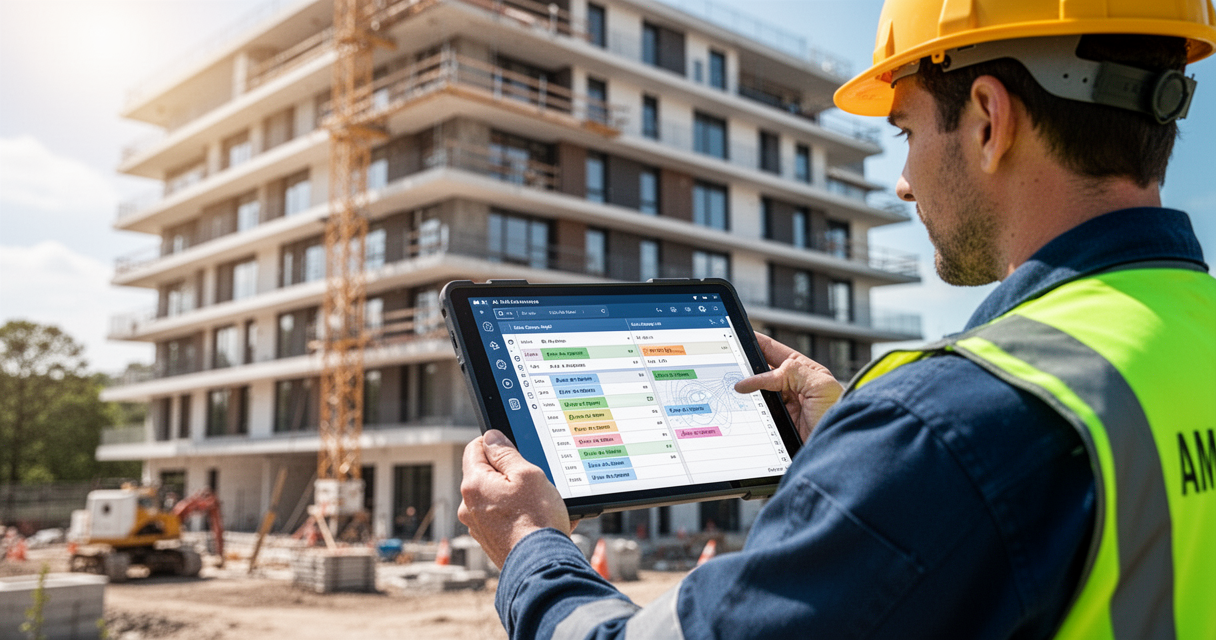
For those working in strata maintenance, harnessing technology to save time and money is always a top priority. Artificial intelligence, or AI, has become a hot topic as it promises to streamline tasks and boost efficiency in managing the upkeep of residential complexes and commercial properties. But like any tool, AI is not a silver bullet and comes with its own set of risks and challenges.
Understanding where AI can genuinely help, and where it might cause hiccups, is crucial. This knowledge can help strata managers and field service pros make smarter decisions that keep property maintenance running smoothly without running into unexpected problems. In this article, we’ll explore the practical ways AI is used in strata maintenance and the potential pitfalls that need watching out for.
How AI Cuts Down Time in Routine Maintenance Tasks
AI shines brightest when it comes to handling repetitive and time-consuming jobs. By automating tasks like scheduling regular inspections, issuing maintenance orders, and tracking compliance, AI minimises human error and frees up the team to focus on more complex issues. For example, AI-powered systems can automatically send reminders about upcoming fire safety checks, common area cleaning, or lift servicing, all without anyone having to chase up manually.
- Automated scheduling reduces admin time
- Compliance tracking lessens the risk of missed deadlines
- Instant alerts on equipment failures or unusual readings improve response times
AI and Predictive Maintenance: Getting Ahead of Problems
Predictive maintenance uses AI algorithms to analyse data from sensors placed on equipment like lifts, HVAC systems, or boilers. Instead of waiting for something to break down, AI identifies wear and tear patterns early on, signalling when maintenance is due before failure occurs. This approach not only saves costly emergency repairs but also decreases downtime for building occupants.
- Sensors feed live data to AI for analysis
- Early warnings result in timely fixes
- Less disruptive and more cost-effective than reactive repairs
Where AI May Create Risk: Bias in Decision-Making
One key risk with AI is bias creeping into decisions. AI models learn from historical data, and if that data reflects past human bias or errors, the model’s recommendations might also be skewed. For strata maintenance, this could mean irregular prioritisation of repairs or overlooking certain maintenance issues consistently. Examples of AI bias in real life show how flawed data can lead to unfair or incorrect conclusions, so it’s vital to question the AI’s outputs rather than accepting them blindly.
The Limits of AI in Handling Complex Human Judgement
AI can crunch numbers and spot patterns but struggles with complex judgments requiring empathy, context, or local knowledge. Deciding which maintenance problems need urgent attention versus those that can wait often involves nuances that AI can’t fully grasp. For example, an AI might flag a minor roof repair based on data but miss the fact that a recent storm has made it a priority to prevent water damage.
Analytical AI vs Generative AI: Which Fits Strata Maintenance?
It helps to know the difference between analytical AI, which focuses on facts, figures, and predictions, and generative AI, which can create content like reports or emails. Strata businesses mainly benefit from analytical AI to manage maintenance schedules, budgets, and service provider data. Generative AI can support admin tasks but shouldn’t replace expert input in decision-making.
AI for Safety Compliance and Risk Management
Safety is a huge part of strata upkeep. AI can help by monitoring safety compliance documents, expiry dates of certifications, and ensuring regular audits. It can quickly flag upcoming insurance deadlines or mandatory electrical safety checks. This reduces the risk of penalties and enhances peace of mind for strata committees.
Will Data Analysis Be Replaced by AI in Strata Maintenance?
Some might worry AI will completely replace human roles in data analysis. The truth is, AI is great at supporting data crunching but still relies on experienced staff to interpret results and make decisions. Rather than replacing people, AI is more likely to change workflows and create opportunities for smarter, faster maintenance management.
Practical Tips for Implementing AI in Your Strata Business
Jumping into AI can be daunting, but starting small helps. Focus on automating simple admin tasks first and gradually expand as confidence grows. Train your team to understand AI-generated reports and verify recommendations. Keep clear records of decisions to spot any biases or errors early.
- Start with scheduling and reminders automation
- Use predictive maintenance on critical equipment
- Regularly review AI outputs with human oversight
- Provide training to staff on AI tools and risks
The Role of Regulators and Standards in AI Adoption
Australian regulators are paying more attention to AI and how it impacts industries like strata management. Following safety standards and data privacy regulations is essential. Transparent AI systems that document how decisions are made ensure accountability and reduce risk of errors or disputes.
Is AI Worth It for Strata Businesses? Balancing Time Saved Against Risks
AI can be a powerful ally for strata maintenance teams, saving time on routine tasks and spotting issues early. However, it’s vital to stay alert to potential risks, especially bias and over-reliance on AI for complex decisions. With the right approach, you can get the best of both worlds — maximising efficiency while keeping control.
Frequently Asked Questions
Bias can appear if AI is trained on flawed past data, leading to unfair prioritisation of maintenance or ignoring some issues. It’s important to check AI decisions rather than accept them blindly.
No, AI supports data analysis but human experts are still needed to interpret outputs and make contextual decisions.
AI analyses sensor data from equipment to detect signs of wear and predicts when maintenance is needed before a breakdown occurs.
AI struggles with complex, nuanced decisions that require empathy or local knowledge, so human oversight remains essential.
Begin by automating routine tasks like scheduling and safety checks, then gradually expand AI use with proper training and supervision.