
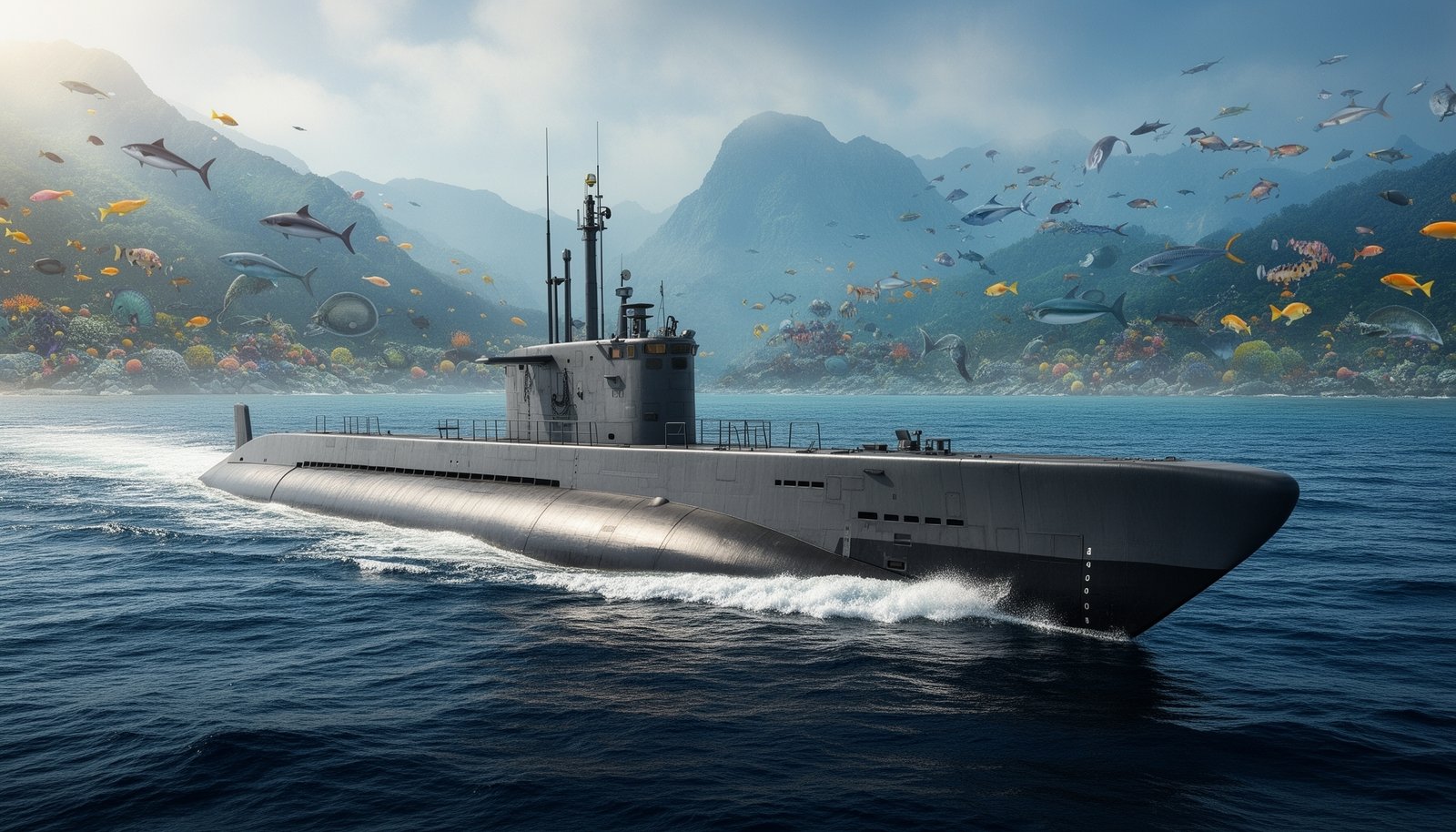
Submarines are fascinating vessels that operate beneath the waves, unseen by most of the world. Understanding the different types of submarines is crucial for appreciating their roles in both military and scientific endeavors. This comprehensive guide will explore the various classifications of submarines, their unique features, and how they adapt to different marine environments in the USA.
The Primary Types of Submarines
Submarines are typically classified into two main categories: military and civilian. Each type has its distinct features and purposes.
Military submarines are primarily used for defense and strategic purposes. They include nuclear submarines, which are powered by nuclear reactors and can remain submerged for extended periods, and diesel-electric submarines, which rely on battery power and are more suited to coastal operations.
Civilian submarines, on the other hand, are used for scientific research, exploration, and tourism. These include research submarines that explore the ocean depths and tourist submarines that offer unique underwater experiences.
Military Submarines in Detail
The United States Navy operates several classes of military submarines, each designed for specific missions. Nuclear-powered submarines, such as the Ohio-class, are strategic assets capable of carrying ballistic missiles. These submarines are integral to national defense, providing a deterrent against potential threats.
Attack submarines, like the Virginia-class, are designed for a variety of missions, including anti-submarine warfare, intelligence gathering, and special operations. These submarines are versatile and can operate in different types of oceans, from the Atlantic to the Pacific.
Special mission submarines are another category, equipped for tasks like reconnaissance and rescue operations. These submarines often operate in diverse bodies of water, adapting to various sea wave types and oceanographic conditions.
Civilian Submarines and Their Uses
Civilian submarines play a vital role in oceanographic research and exploration. Research submarines are equipped with advanced technology to study marine life, underwater geology, and types of ocean waves. They often explore different types of islands and underwater formations.
Tourist submarines provide an exciting opportunity for the public to experience underwater life. These submarines operate in shallow waters and offer a glimpse into the marine environment, including coral reefs and vibrant sea life. They navigate around different types of islands, providing a unique perspective on marine ecosystems.
Adapting to Different Marine Environments
Submarines are designed to operate in various marine environments, adapting to different types of diving and water conditions. Military submarines must be capable of enduring the harsh conditions of the open ocean, including different types of waves in oceanography.
Civilian submarines, particularly those used in tourism, are more suited to calmer waters found near coastal areas and different types of islands. These submarines are designed to offer safety and comfort while providing an educational experience about the marine world.
The Future of Submarine Technology
As technology advances, the design and capabilities of submarines continue to evolve. Future submarines will likely feature enhanced stealth, improved propulsion systems, and advanced sensors to better navigate different types of body of water.
Research and development in this field are focused on creating submarines that can operate more efficiently and with reduced environmental impact. These innovations will enhance our ability to explore the oceans and understand the complex dynamics of sea waves types and marine life.
Frequently Asked Questions
What are the main types of submarines?
The main types of submarines are military and civilian. Military submarines include nuclear and diesel-electric types, while civilian submarines are used for research and tourism.
How do submarines adapt to different marine environments?
Submarines are designed with specific features to navigate different types of diving and marine conditions. Military submarines handle harsh ocean environments, while civilian ones operate in calmer, coastal waters.
What is the role of civilian submarines?
Civilian submarines are used for scientific research, exploration, and tourism. They help study marine life, underwater geology, and provide unique underwater experiences for the public.
How do military submarines differ from civilian submarines?
Military submarines are designed for defense and strategic operations, often featuring nuclear propulsion and advanced weaponry. Civilian submarines focus on research and tourism, equipped with tools for exploration and educational purposes.
What advancements are expected in submarine technology?
Future advancements in submarine technology include enhanced stealth, improved propulsion systems, and advanced sensors, aiming for more efficient and environmentally friendly operations. These will improve capabilities in various marine environments.