
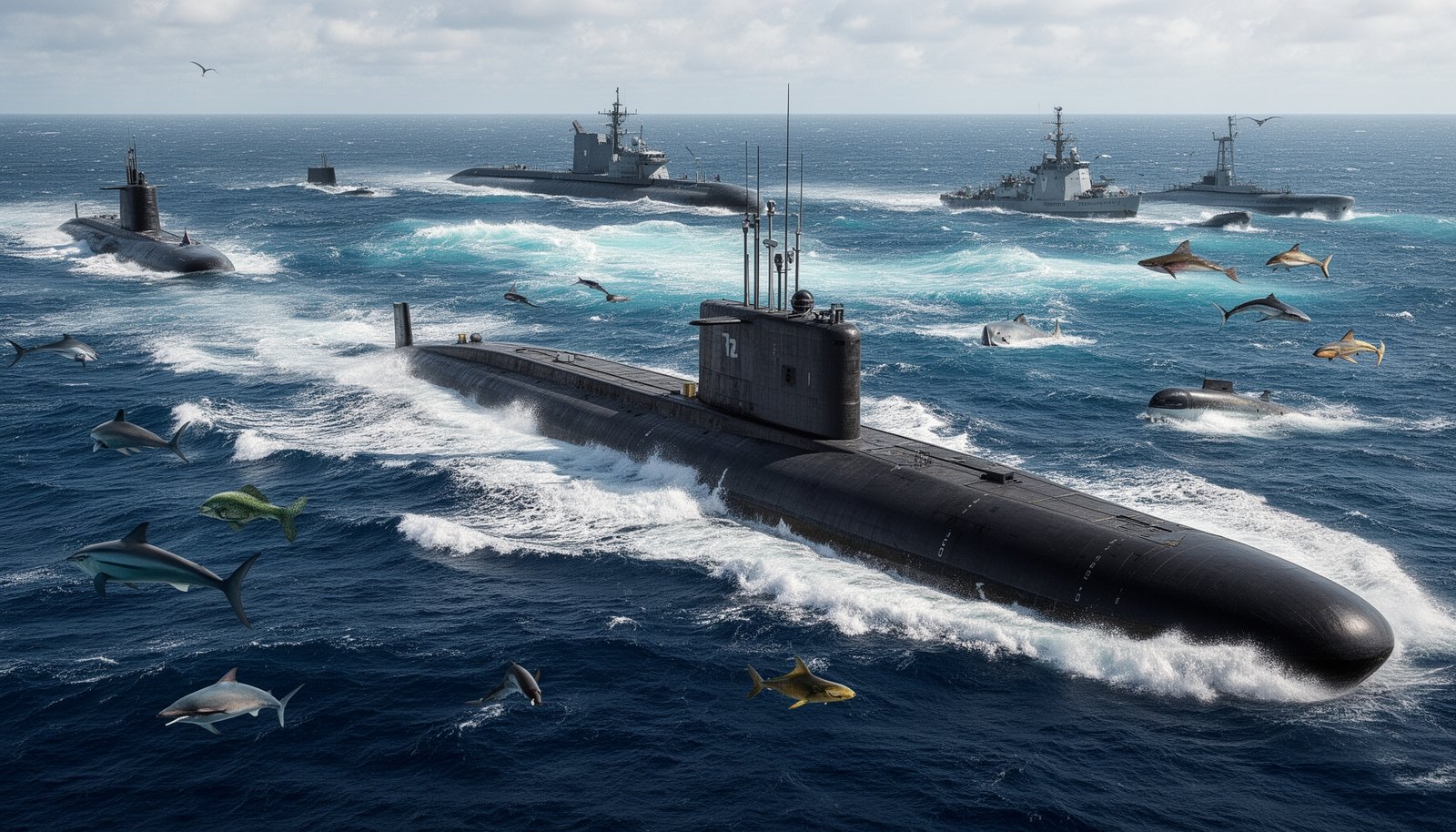
Submarines are fascinating vessels that operate beneath the surface of the world’s oceans, playing crucial roles in both defense and scientific exploration. In Australia, with its vast maritime boundaries and diverse marine environments, understanding the different types of submarines is essential for appreciating their impact and capabilities. This comprehensive guide will explore the various types of submarines, their functions, and how they are adapted to Australia’s unique marine landscape.
The Role of Submarines in Australia
Australia’s strategic location and extensive coastline make submarines an integral part of its maritime defense strategy. The Royal Australian Navy operates submarines primarily for surveillance, intelligence, and defense purposes. Additionally, submarines are used for scientific research, exploring the rich biodiversity and geological features of Australia’s oceans.
Given Australia’s proximity to different types of oceans, including the Indian, Southern, and Pacific Oceans, submarines must be versatile and capable of operating in varied marine conditions. This includes navigating through different types of body of water, from the warm tropical waters of the north to the cold, nutrient-rich waters of the south.
Diesel-Electric Submarines
Diesel-electric submarines are among the most common types of submarines used by the Royal Australian Navy. These submarines are powered by diesel engines on the surface and electric motors when submerged, making them quieter and harder to detect.
Australia’s Collins-class submarines fall under this category, designed to operate effectively in the diverse conditions found in Australian waters. They are well-suited for coastal defense and can remain submerged for extended periods, offering strategic advantages in stealth and endurance.
Nuclear-Powered Submarines
While Australia does not currently operate nuclear-powered submarines, they are a significant category globally due to their ability to stay submerged for long durations without surfacing. These submarines are powered by nuclear reactors, providing them with a virtually unlimited range and endurance.
Globally, nuclear submarines are valued for their speed and endurance, allowing them to traverse different types of oceans and reach remote areas quickly. Although not part of Australia’s current fleet, discussions about acquiring such capabilities are ongoing as regional security dynamics evolve.
Research Submarines
Australia’s commitment to marine research is evident in its use of research submarines. These specialized vessels are designed to explore the ocean’s depths, conducting scientific studies on marine life, geological formations, and oceanography.
Research submarines are crucial for studying types of ocean waves, sea waves types, and the various types of waves in oceanography. They also help explore different types of islands and underwater ecosystems present in Australia’s vast marine territory.
Submarine Design Adaptations for Australian Waters
Submarines operating in Australian waters are designed to handle the unique challenges posed by the country’s marine environments. These include the ability to navigate through different types of diving conditions and adapt to the presence of different types of divers engaged in scientific or recreational activities.
The design of submarines also takes into account the types of islands and oceanic features that characterize Australian waters, ensuring they can operate safely and efficiently in these environments.
Frequently Asked Questions
- What are the main types of submarines used by the Royal Australian Navy?
The Royal Australian Navy primarily uses diesel-electric submarines, such as the Collins-class, for their operations.
- Why are nuclear-powered submarines not part of Australia’s current fleet?
Australia does not currently have nuclear-powered submarines due to policy decisions and technological considerations, although discussions about their potential acquisition are ongoing.
- How do research submarines contribute to marine science in Australia?
Research submarines play a vital role in studying oceanographic phenomena, marine life, and geological formations, aiding in the understanding of Australia’s unique marine environments.
- What adaptations are necessary for submarines operating in Australian waters?
Submarines in Australian waters need to adapt to varied marine conditions, including different types of diving conditions and diverse oceanic features, to ensure safe and effective operations.
- How do submarines support Australia’s maritime defense strategy?
Submarines support Australia’s maritime defense by providing surveillance, intelligence, and defense capabilities, crucial for maintaining national security in its extensive maritime territories.