
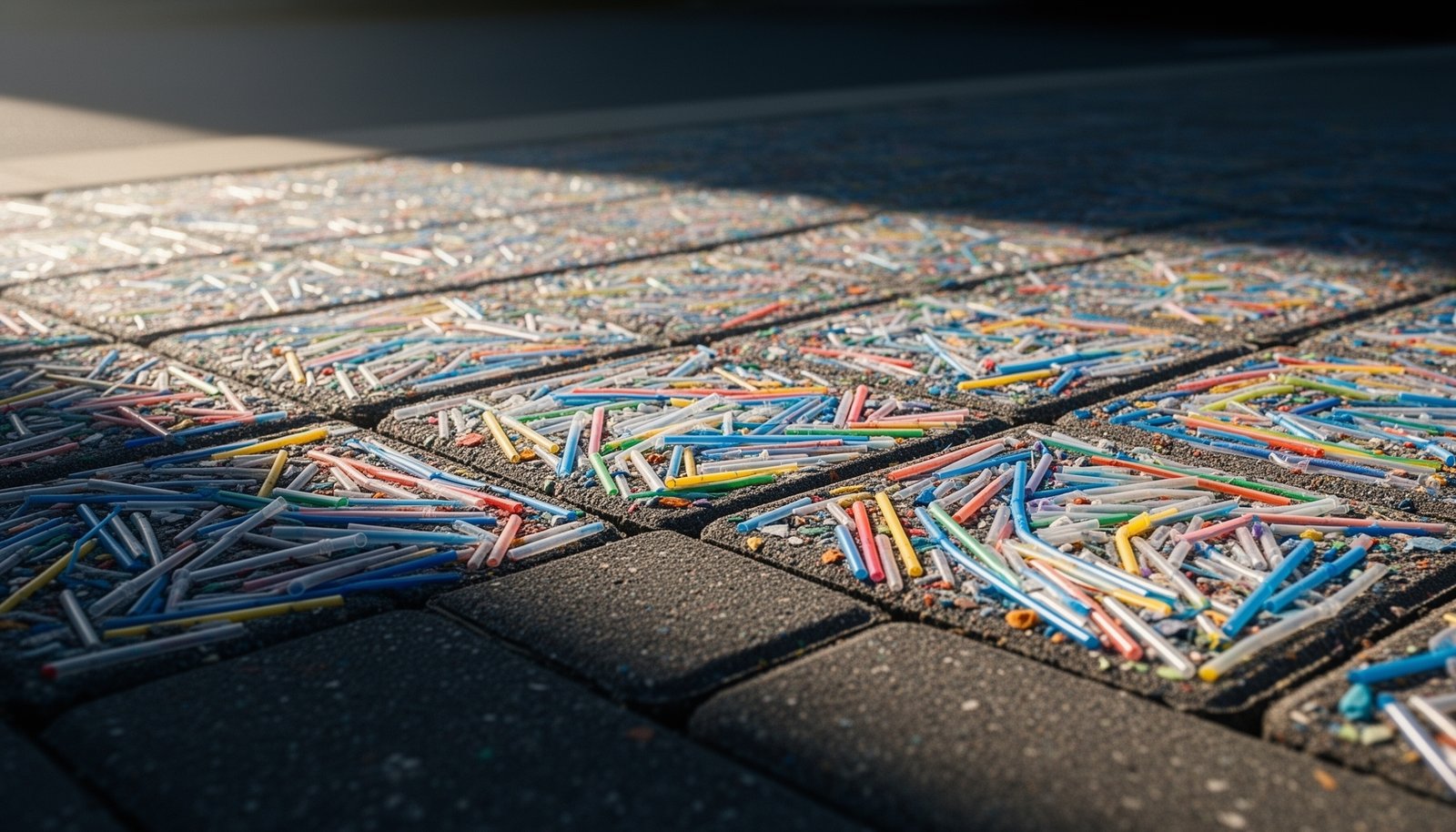
How Many Plastic Straws Are Used in Recycle Bound Driveways?
Key Takeaways
- • Recycle Bound driveways use over 500 million plastic straws, significantly reducing plastic waste.
- • Each square metre of driveway incorporates about 3,000 plastic straws.
- • These driveways offer environmental benefits, including improved water drainage and reduced plastic pollution.
Key Answer
Recycle Bound driveways incorporate the equivalent of over 500 million plastic straws, turning them into sustainable surfaces that combat plastic pollution effectively.
In today’s world, sustainability isn’t just a buzzword—it’s a necessity. As we grapple with the effects of plastic pollution, innovative solutions like Recycle Bound driveways offer a beacon of hope. But just how many plastic straws find new life in these eco-friendly surfaces?
This article dives deep into the numbers and processes behind Recycle Bound driveways, a groundbreaking initiative that transforms plastic waste into durable, beautiful driveway solutions across the UK.
The Rise of Recycle Bound Driveways
Recycle Bound driveways have emerged as a pioneering solution in the resin-bound industry, addressing the pressing issue of plastic waste. These driveways not only provide a functional surface but also contribute to environmental conservation by repurposing plastic straws.
The concept was developed in response to the staggering amount of plastic waste, especially single-use plastics like straws, which often end up in landfills or oceans. By integrating these plastics into driveways, Recycle Bound offers a sustainable alternative that aligns with broader environmental goals.
How Many Plastic Straws Are Used?
The sheer number of plastic straws used in Recycle Bound driveways is astonishing. According to industry data, these driveways have recycled the equivalent of over 500 million plastic straws. This figure represents a significant reduction in potential plastic waste, highlighting the impact of such initiatives.
Each square metre of a Recycle Bound driveway uses approximately 3,000 plastic straws. This not only showcases the efficiency of the process but also its potential scalability across various applications.
Metric Number of Straws Total Straws Recycled 500 million Straws per Square Metre 3,000 AIExpert Perspective
Resin-Bound Specialist
As an expert in the resin-bound industry, I see Recycle Bound driveways as a transformative solution to plastic waste, offering a tangible way for homeowners to contribute to environmental sustainability. The integration of such technology not only addresses waste management but also sets a precedent for future urban planning initiatives.
The Process Behind Recycle Bound
The process of creating Recycle Bound driveways involves several steps, each crucial in transforming plastic waste into a durable surface. Initially, plastic straws are collected and cleaned to ensure they are free from contaminants. These straws are then shredded into small pieces, which are mixed with a specially formulated resin.
This mixture is laid onto a prepared surface, where it is trowelled to form a smooth, permeable layer. The final result is a hard-wearing, attractive driveway that not only looks good but also supports environmental sustainability.
Success StoryTransforming Waste into Value: A Suburban Success Story
The Challenge
A suburban UK homeowner sought a sustainable driveway solution that aligned with their environmental values.
The Result
By installing a Recycle Bound driveway, the homeowner not only reduced their carbon footprint but also increased property value, becoming a local advocate for sustainable living.
Benefits of Recycle Bound Driveways
Recycle Bound driveways offer numerous benefits beyond their environmental impact. They are known for their durability and low maintenance, making them an attractive option for homeowners seeking both practicality and aesthetics.
Additionally, these driveways are permeable, allowing water to drain through and reducing surface runoff. This feature is particularly valuable in urban areas prone to flooding. Furthermore, the use of recycled materials can enhance property value by showcasing a commitment to sustainability.
Challenges and Future Prospects
While the benefits are clear, the adoption of Recycle Bound driveways faces challenges such as public awareness and initial costs. Educating consumers about the long-term savings and environmental benefits is essential to increasing uptake.
Looking ahead, the potential for expansion into other types of surfaces, such as public paths and playgrounds, presents exciting opportunities. With continued innovation and support, Recycle Bound driveways could become a staple in sustainable urban planning.
✓ Fact Checked By: Technical Review Board ⚡ Authored By: Resin-Bound SpecialistFrequently Asked Questions
How are plastic straws integrated into driveways?
Plastic straws are shredded and mixed with resin to create a durable, permeable surface for driveways.
What environmental benefits do Recycle Bound driveways offer?
They reduce plastic waste, enhance drainage, and contribute to sustainable urban development.
How many straws are used per square metre of driveway?
Approximately 3,000 plastic straws are used per square metre of a Recycle Bound driveway.
Are Recycle Bound driveways cost-effective?
While the initial cost may be higher, the long-term savings on maintenance and environmental benefits make them a valuable investment.
Can Recycle Bound technology be used for other surfaces?
Yes, there is potential for its application in public paths, playgrounds, and other urban surfaces.