
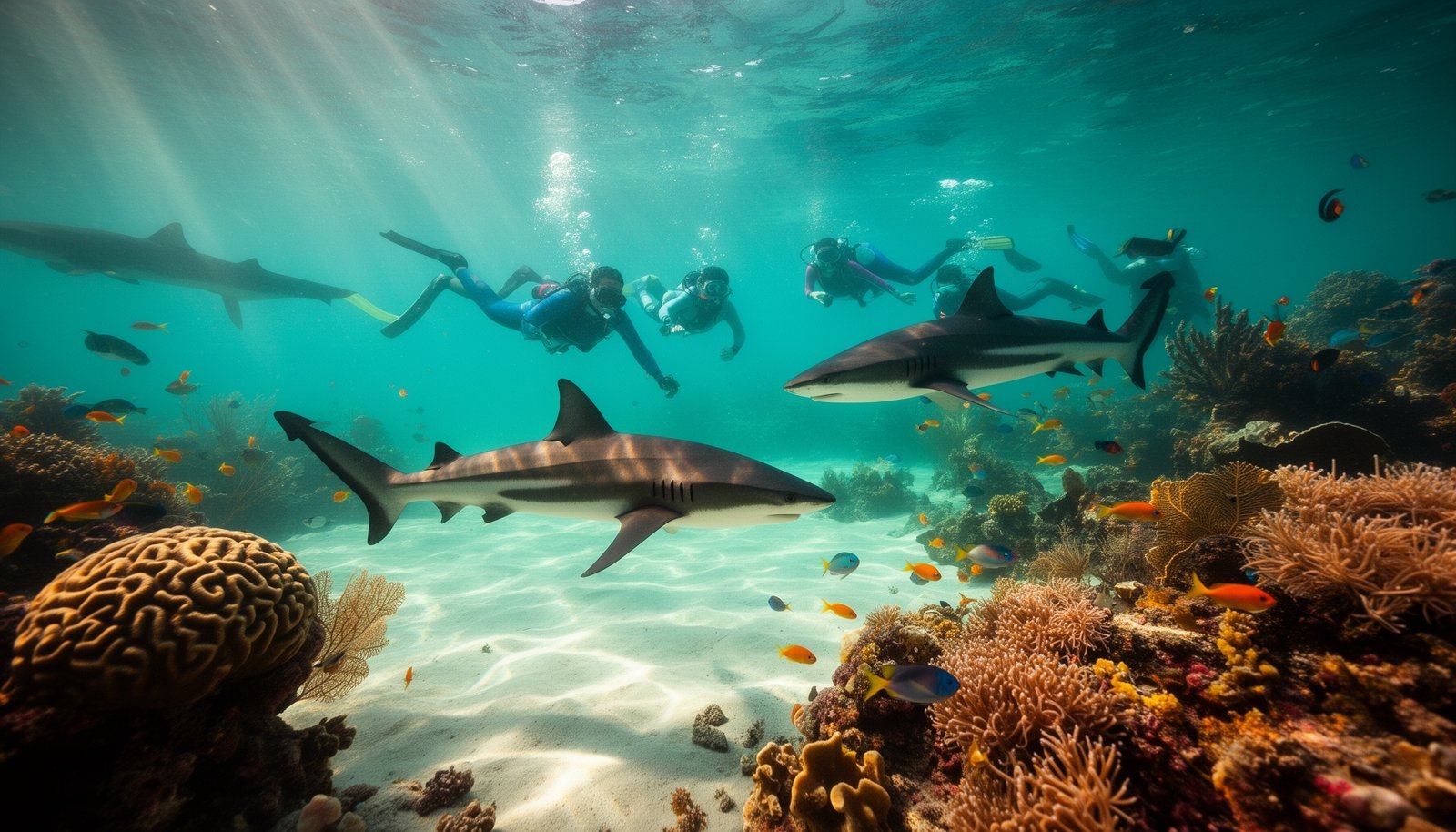
Key Takeaways
- •Pigeon Island offers unique diving opportunities with its shallow Blacktip Reef Shark nursery.
- •The best time to visit for diving is from May to September for optimal visibility and conditions.
- •Travel from Colombo involves an 8-hour journey to Trincomalee and a short boat ride to the island.
- •Ethical diving practices are essential to preserve the delicate marine ecosystems at Pigeon Island.
Key Answer
Pigeon Island in Sri Lanka offers unparalleled scuba diving experiences, featuring a Blacktip Reef Shark nursery and vibrant coral reefs, making it a must-visit for divers.
Why scuba dive at Sri Lanka’s Pigeon Island? This question is frequently asked by diving enthusiasts and nature lovers around the globe. Pigeon Island, located off the eastern coast of Sri Lanka, is a diving paradise renowned for its exceptional marine biodiversity and unique underwater experiences. From interacting with Blacktip Reef Sharks to exploring vibrant coral ecosystems, this location promises an unforgettable adventure for divers of all levels.
The Unique Appeal of Pigeon Island
Pigeon Island stands out in the diving community for its unique marine habitats and biodiversity. Located near Trincomalee on the eastern coast of Sri Lanka, the island hosts one of the few Blacktip Reef Shark nurseries accessible in shallow waters, allowing divers to observe these majestic creatures up close. This rare opportunity to interact with sharks in their natural habitat is a highlight for many visitors.
Beyond its sharks, the island is home to a vibrant ecosystem, including hard and soft corals that have shown resilience and recovery after past bleaching events. These reefs support a multitude of marine life, from colorful reef fish to elusive macro creatures like Nudibranchs and Pipefish, ideal for underwater photography enthusiasts.
Best Time to Dive at Pigeon Island
Timing your visit to Pigeon Island can significantly enhance your diving experience. The best months are generally from May to September, aligning with the northeast monsoon off-season. During this period, the waters are calmer, providing optimal conditions for visibility and safety.
A detailed ‘Visibility & Thermocline Calendar’ can guide divers to plan their trips. It highlights that water temperatures range from 27°C to 30°C, with visibility stretching between 10 to 25 meters. This ensures that divers can fully enjoy the underwater sights, including the active coral restoration projects underway.
| Month | Water Temperature (°C) | Visibility (meters) |
|---|---|---|
| May | 28 | 20 |
| June | 29 | 22 |
| July | 29 | 25 |
| August | 28 | 24 |
| September | 27 | 20 |
Expert Perspective
Marine Ecology Specialist
In my experience as a diving instructor in Sri Lanka, Pigeon Island stands out due to its combination of accessibility and rich biodiversity. The chance to interact with Blacktip Reef Sharks in shallow waters is unparalleled, offering both seasoned divers and novices a unique diving experience. However, it’s imperative to dive responsibly to safeguard these natural treasures for future generations.
Reaching Pigeon Island: A Step-by-Step Guide
Getting to Pigeon Island involves a scenic journey that starts from Colombo, the capital city of Sri Lanka. Travelers typically take a train or drive to Trincomalee, a journey that can take approximately 6 to 8 hours depending on the mode of transport. Upon reaching Trincomalee, visitors can head to the Nilaveli Beach or the nearby harbor to catch a boat to the island.
Several local operators offer boat services, with tours often including snorkeling equipment and guides. The boat ride itself is a short 15-minute journey across crystal-clear waters, offering stunning views of the coastline and glimpses of the vibrant marine life beneath.
Eco-friendly Diving at Pigeon Island
The Challenge
A group of eco-conscious divers planned a trip to Pigeon Island, aiming to contribute to coral restoration projects.
The Result
Their efforts not only enhanced the local reefs but also boosted tourism awareness about the importance of conservation, leading to increased support for sustainable diving practices.
Ethical Diving and Conservation Efforts
Pigeon Island is not just a hub for diving, but also a center for marine conservation. Given the fragility of the reef systems, it’s crucial that divers adhere to ethical diving practices. These include maintaining buoyancy to avoid contact with the coral, avoiding touching marine life, and ensuring no litter is left behind.
There are also active coral gardening projects that visitors can engage with, contributing to the preservation and enhancement of the marine ecosystem. These efforts are vital as they support both biodiversity and the local communities reliant on marine tourism.
Frequently Asked Questions
Pigeon Island hosts a variety of marine life including Blacktip Reef Sharks, sea turtles, vibrant corals, and macro life like Nudibranchs.
Travel from Colombo to Trincomalee by train or car, then take a 15-minute boat ride from Nilaveli Beach or the local harbor to Pigeon Island.
The optimal period for diving at Pigeon Island is from May to September, when the sea conditions are calmest and visibility is best.
Diving conditions are best from May to September with water temperatures ranging from 27°C to 30°C and visibility up to 25 meters.
Yes, Pigeon Island offers dive sites suitable for all levels, including beginners, due to its shallow nurseries and guided dive tours.