

Key Takeaways
- Australia’s solar energy landscape is bolstered by abundant sunlight and robust government incentives.
- Technological advancements and smart integrations enhance solar energy efficiency.
- Solar energy is a catalyst for economic growth, creating jobs and reducing energy costs.
Key Answer
Solar energy in Australia is booming, driven by abundant sunlight and strong government incentives. With both residential and commercial sectors benefiting, the future of solar energy is promising.
Solar energy has rapidly gained traction across Australia, becoming an integral part of the country’s renewable energy landscape. With abundant sunshine, the potential for both residential and commercial solar energy applications is immense. Let’s delve into how solar energy is shaping Australia’s energy future and the opportunities it presents.
Why Solar Energy is Thriving in Australia
Australia is blessed with vast amounts of sunlight, making it an ideal location for harnessing solar energy. The country’s geographical position allows for high solar radiation, enabling effective energy capture and conversion through solar panels.
Government incentives also play a critical role in promoting solar energy. Federal initiatives like the Small-scale Renewable Energy Scheme (SRES) provide financial benefits to those who install solar systems, helping reduce upfront costs. State governments offer additional schemes, further incentivising adoption.
Beyond financial incentives, the cultural shift towards sustainable living is propelling solar energy forward. Australians are increasingly aware of the environmental benefits of reducing reliance on fossil fuels, which align with global efforts to curb climate change.
Exploring Technological Advancements in Solar Energy
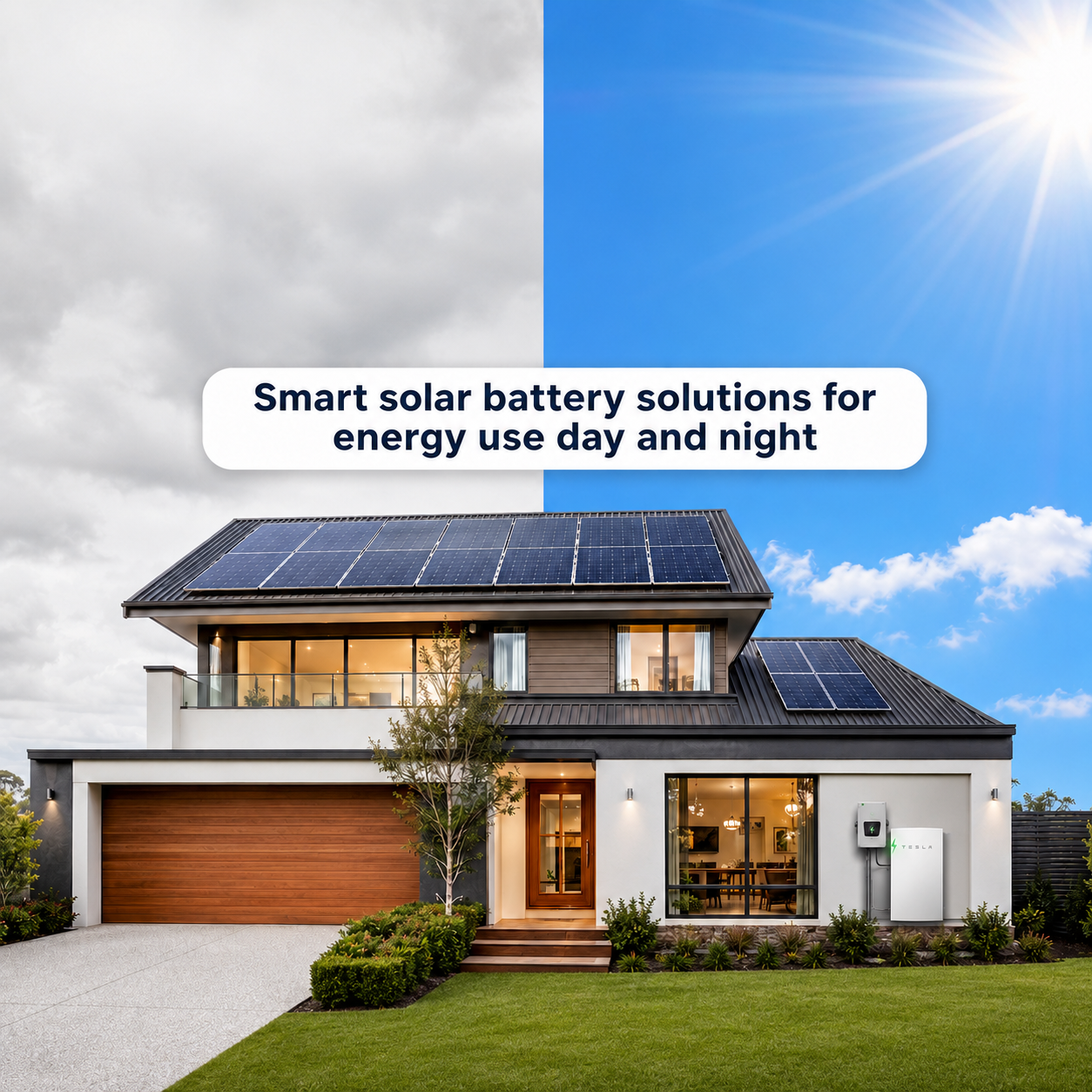
The solar energy sector in Australia is not just about installing solar panels; it’s about embracing cutting-edge technology. Innovations such as bifacial panels, which capture sunlight on both sides, and battery storage solutions, like the Tesla Powerwall, are transforming how energy is utilised and stored.
Moreover, the integration of solar energy into smart home systems is becoming more prevalent. These systems allow homeowners to monitor and optimise energy usage through IoT devices, enhancing efficiency and savings.
Australia is also at the forefront of solar research, with institutions like the Australian National University spearheading advancements in photovoltaic technologies. These developments promise to increase efficiency and reduce costs over time.
Expert Perspective
Renewable Energy Specialist
As an expert in renewable energy, I’ve witnessed firsthand the transformative power of solar technology in Australia. The combination of abundant natural resources, supportive policies, and cutting-edge innovations makes Australia a global leader in solar adoption. However, continuous public and private investment is crucial to maintain this momentum.
Case Studies: Success Stories in Solar Energy
One notable example of successful solar energy implementation is the solar farm in South Australia’s Riverland region. This facility is among the world’s largest, harnessing solar power to feed electricity into the grid, providing clean energy to thousands of homes.
In the residential sector, many Australian homeowners have taken advantage of solar leasing programs, which lower the barrier to entry by reducing installation costs. These programs allow more families to benefit from solar without significant upfront expenditure.
Commercially, businesses are investing in solar to cut operational costs and promote sustainability. Companies like Sydney’s Atlassian have set ambitious targets to power their operations entirely through renewable energy, showcasing a strong commitment to environmental responsibility.
Understanding the Economic Impact of Solar Energy
Solar energy is not just an environmental boon; it’s an economic catalyst. The solar industry has created thousands of jobs in Australia, from manufacturing to installation and maintenance.
Moreover, the cost of solar technology continues to decline, making it more accessible. According to industry experts, the return on investment for solar installations can be realised in just a few years due to savings on electricity bills and government incentives.
In the long term, solar energy helps insulate the economy from volatile fossil fuel markets, providing stable and predictable energy costs, which is crucial for both businesses and consumers.
| Economic Aspect | Benefit |
|---|---|
| Job Creation | Thousands of jobs across manufacturing, installation, and maintenance. |
| Cost Reduction | Falling solar technology costs and fast ROI. |
| Energy Independence | Reduced reliance on fossil fuels. |
Navigating Government Incentives for Solar Energy
The Australian government provides numerous incentives to encourage solar adoption. The SRES is a key program, providing certificates that can be traded for a financial benefit, effectively reducing the cost of installing solar systems.
Additionally, state-based incentives vary, with some regions offering feed-in tariffs that compensate homeowners for excess energy fed back into the grid.
It’s vital for both consumers and businesses to stay informed about available incentives, as these can significantly affect the cost-effectiveness of solar energy investments.
Frequently Asked Questions
What are the main benefits of solar energy in Australia?
Solar energy offers environmental and economic benefits in Australia, reducing carbon emissions, lowering electricity bills, and generating jobs in the renewable sector.
How do government incentives support solar energy?
Government incentives, such as the Small-scale Renewable Energy Scheme (SRES) and state-specific feed-in tariffs, reduce installation costs and offer financial returns for excess energy.
What technological advancements are enhancing solar energy use?
Advancements include bifacial solar panels and integrated smart home systems that optimise energy use, as well as efficient battery storage solutions.
Can solar energy systems be integrated with smart home technology?
Yes, solar energy systems can be integrated with IoT devices for real-time monitoring and optimisation, enhancing energy efficiency.
What is the economic impact of solar energy in Australia?
Solar energy contributes to job creation, reduces energy costs, and offers a buffer against fossil fuel market volatility.