
Share this article

Table of Contents

How Local Restaurants Can Increase Foot Traffic Using SEO: A Comprehensive Guide

Table of Contents

How Local Restaurants Can Increase Foot Traffic Using SEO: A Comprehensive Guide

Key Takeaways

  • Optimising your Google My Business profile is crucial for improving local visibility.
  • Local keyword integration can significantly boost search ranking and foot traffic.
  • Encouraging customer reviews enhances credibility and search engine rankings.

Key Answer

Boost restaurant foot traffic by optimising your Google My Business profile, integrating local keywords, and encouraging positive reviews to enhance your online presence.

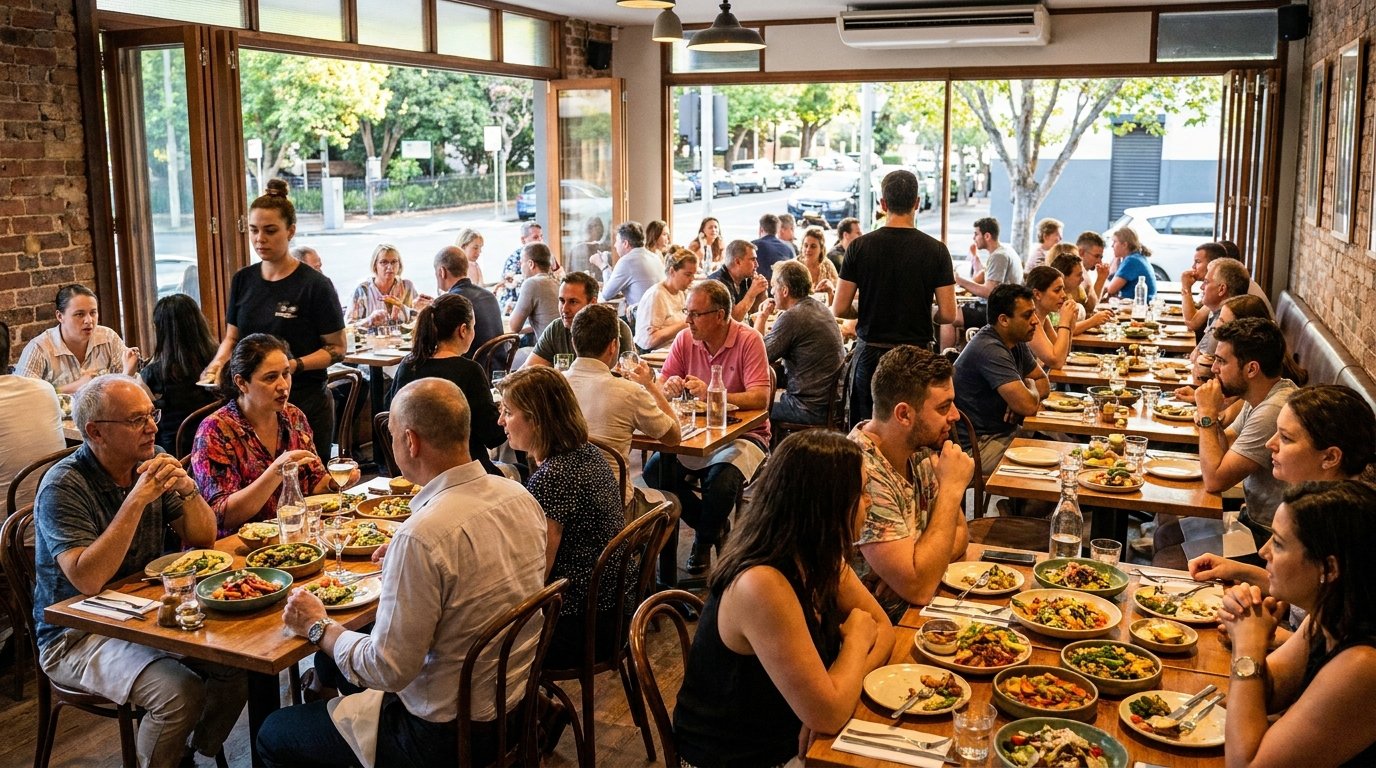
In the competitive landscape of the Australian hospitality industry, standing out is crucial. Restaurants across the country are discovering the power of SEO to increase foot traffic, ensuring their eateries are the go-to spots for locals and tourists alike. How local restaurants can increase foot traffic using SEO is an essential strategy to master, blending technical savvy with a deep understanding of consumer habits.

Unlock the Power of Google My Business

Google My Business (GMB) is a pivotal tool for local restaurants aiming to enhance their visibility. Proper optimisation of your GMB profile allows you to appear prominently in search results when potential diners are looking for places to eat. Ensure that your profile is complete with up-to-date information about your menu, opening hours, and location. Moreover, regularly update photos to showcase your offerings and attract diners visually.

For instance, a Melbourne cafĂ© might upload images of their renowned flat whites alongside a bustling brunch crowd, thereby enticing locals searching for the ‘best coffee in Melbourne’.

Leverage Local Keywords for Maximum Impact

Crafting content that resonates with local searches is fundamental. By integrating local keywords into your website and content, you position your restaurant to capture high-intent traffic. Consider terms that your potential customers are likely to use, such as ‘seafood restaurant in Bondi’ or ‘vegan options in Brisbane’.

A practical application involves curating blog content that highlights local events or cultural landmarks. A Sydney seafood eatery could publish articles about fresh catch from Sydney Fish Market, weaving in keywords that relate directly to their offerings.

Expert Perspective

Local SEO Specialist

Incorporating local SEO strategies is non-negotiable for Australian restaurants aiming to thrive in today’s digital landscape. Techniques like optimising for local keywords and focusing on high-quality images not only enhance online visibility but also attract more diners to the premises. In an era where digital presence dictates foot traffic, staying ahead with SEO innovations can be a game-changer for restaurateurs.

Harness the Influence of Customer Reviews

Positive reviews are not just testimonials; they are powerful tools that can enhance your search rankings. Encourage satisfied customers to leave detailed reviews on platforms like TripAdvisor and Google, mentioning specific dishes and your restaurant’s location. These reviews organically boost your ‘near me’ search visibility.

Consider the example of Bella’s Trattoria in Chicago, where targeted efforts on reviews led to a 45% increase in reservations. They utilised reviews to highlight their Tuesday Pasta Night, effectively making it a local favourite.

Tap into the Potential of Visual SEO and Google Lens

Visual content, such as mouth-watering photos of dishes, plays a significant role in attracting diners. Optimising these images with proper tags and descriptions allows them to appear in Google Images and Google Lens searches, which are increasingly popular among smartphone users. Use descriptive file names and alt text to improve your visual search engine optimisation (SEO).

Imagine a Perth bakery using high-quality images tagged with ‘artisan sourdough bread’ to attract foodies exploring nearby on their phones. This technique ensures that your visual content is working for you, driving potential customers through your doors.

Voice Search: Capturing the Spoken Word

With the rise of voice-activated devices, optimising for voice search is increasingly important. Consider how consumers naturally phrase questions, such as ‘Where’s the best family-friendly dinner spot near me?’ Tailor your content to include long-tail keywords that mirror these conversational queries.

A Canberra-based pizzeria might focus on phrases like ‘where to find family-friendly pizza in Canberra’. By anticipating these queries, they ensure their restaurant is easily found by families looking for a quick, convenient dining option.

Example: Bella's Trattoria's Success

Taking cues from Bella’s Trattoria, local restaurants can see tangible benefits by optimising their digital presence. After struggling with slow nights, Bella’s revamped their Google My Business profile, enhanced their photo gallery, and blogged about authentic Italian cuisine. This holistic approach boosted their visibility, significantly increasing online reservations and foot traffic.

Incorporating these strategies in an Australian context, like featuring local produce or indigenous cuisine, could replicate such success.

Next Steps for Local Restaurants

To truly benefit from these SEO strategies, Australian restaurant owners should regularly monitor their online performance, ensuring that all digital touchpoints are in sync with their brand’s voice and customer expectations. By staying proactive and adapting to new digital trends, restaurants can maintain a strong online presence that directly translates to increased foot traffic.

For additional strategies on optimising your digital presence, explore [AI Search Optimisation](https://solomoit.com.au/ai-search-optimisation-guide) for insights into harnessing cutting-edge technologies.

Frequently Asked Questions

By optimising your Google My Business profile with accurate information and appealing photos, you can improve your visibility in local searches, drawing more diners to your restaurant.

Customer reviews enhance your restaurant’s credibility and can improve search rankings, making it easier for potential customers to find you.

Visual SEO involves optimising images with descriptive tags and alt text, making it easier for diners to discover your restaurant through image searches on platforms like Google Images.

Local keyword optimisation targets high-intent search traffic by using terms that potential diners are likely to search for, increasing the likelihood of attracting local customers.

Voice search optimisation helps capture diners using voice-activated devices by focusing on conversational queries and long-tail keywords.

Scroll to Top