
Share this article

Table of Contents

Exploring Fashion Trends of the 90s & 80s: A Comprehensive Guide

Table of Contents

Exploring Fashion Trends of the 90s & 80s: A Comprehensive Guide

Key Takeaways

  • 80s fashion was characterised by bold colours and oversized silhouettes, with significant global influences.
  • 90s fashion introduced grunge and streetwear, driven by music culture and technological advancements in fabric.
  • Modern fashion continues to draw from these eras, incorporating vintage elements with contemporary styles.

Key Answer

The fashion trends of the 80s and 90s in Australia were characterised by bold colours, oversized silhouettes, and cultural influences from music and media, which continue to inspire contemporary styles.

The fashion trends of the 80s and 90s were marked by bold colours, dynamic patterns, and eclectic styles that continue to resonate today. In Australia, these decades heralded a unique blend of global influences and local adaptations, shaping a distinctive fashion scene that remains influential.

Iconic Styles of the 80s

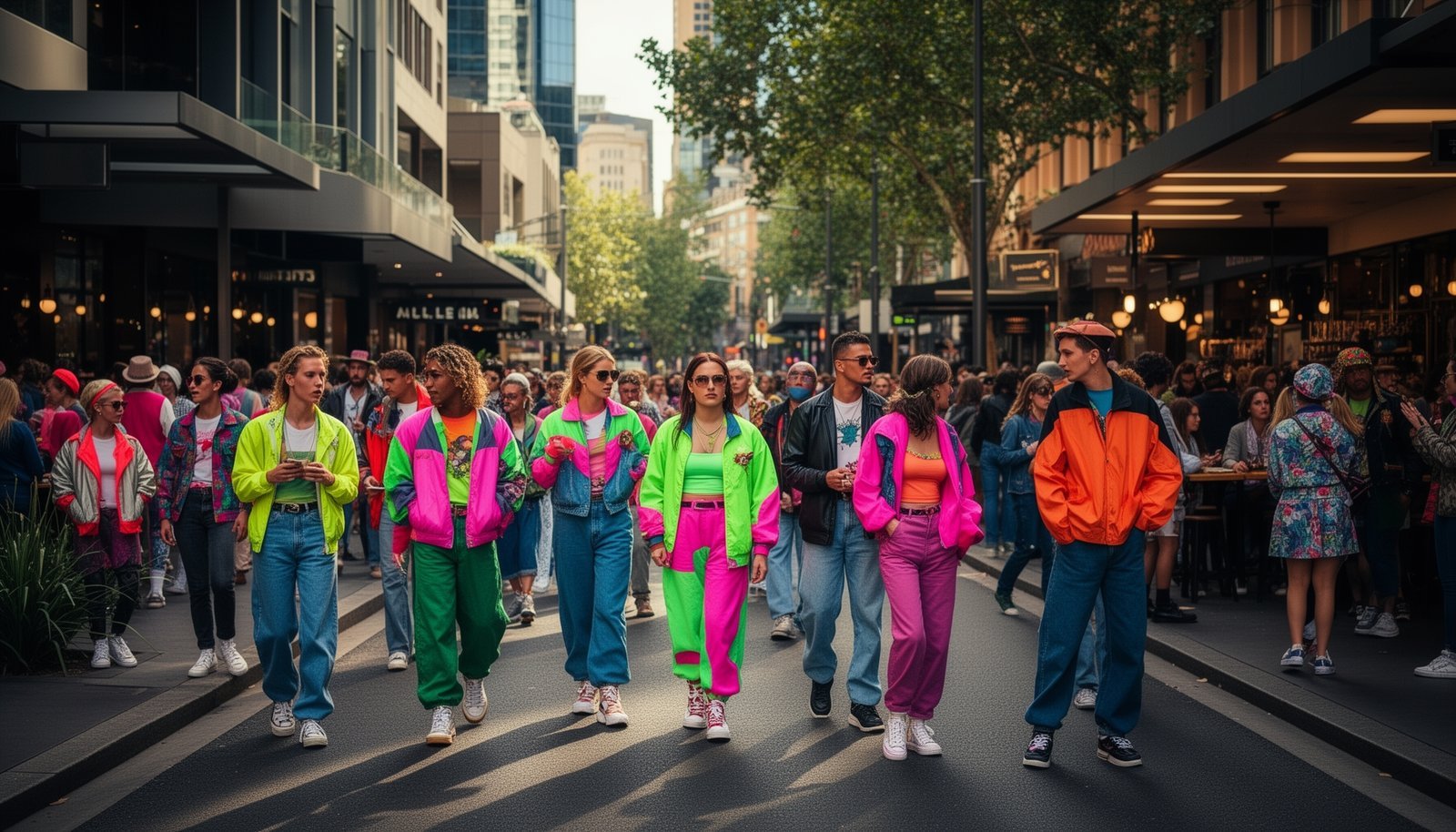
The 1980s were a time of vibrant colours and bold fashion choices. Australians embraced trends like padded shoulders, neon colours, and high-waisted jeans. This era was defined by a sense of excess and flamboyance, captured vividly through styles such as oversized blazers and stirrup pants.

In the 80s, Australian fashion was heavily influenced by international icons like Madonna and Michael Jackson. This global reach was complemented by local trends and a burgeoning interest in surf culture, which contributed to the popularity of brands like Billabong and Rip Curl, encapsulating the laid-back yet bold Aussie style.

The decade also saw the rise of aerobics and fitness fashion, characterised by Lycra and vibrant leggings. This trend was not just about aesthetics; it reflected a cultural shift towards health and fitness as essential lifestyle elements.

The Grunge Revolution of the 90s

As the 90s unfolded, fashion took a turn towards grunge, driven by bands like Nirvana and Pearl Jam. This movement was about rejecting the glitz of the previous decade for a more raw and authentic aesthetic. Oversized flannel shirts, ripped jeans, and Doc Martens became staples of the Australian wardrobe, reflecting a sense of rebellion and authenticity.

Another significant trend was the influence of hip-hop culture. Clothing brands such as FUBU and Cross Colours entered the Australian market, bringing with them a new urban style that resonated with the youth. This era also marked the beginning of streetwear, which remains a dominant force in fashion today.

In the 90s, material science began to play a more significant role in fashion. Technical fabrics like nylon and fleece became popular, offering both style and practicality. This focus on material innovation set the stage for modern sustainable fashion trends.

Expert Perspective

Fashion Historian & Trend Analyst

The 80s and 90s were pivotal in shaping the global fashion landscape. As an expert in fashion history, I view these decades as a transformative period where cultural and technological shifts fostered a dynamic evolution in style that continues to influence today’s trends.

Modern Styling: Incorporating Vintage Pieces

Incorporating vintage pieces from the 80s and 90s into a 2024 wardrobe can be done seamlessly with the right approach. To avoid looking like you’re in costume, balance bold vintage items with modern, minimalist pieces. For instance, pairing an oversized 80s blazer with skinny jeans and sleek heels can create a chic contrast.

Colour palettes play a significant role in modernising vintage looks. Neutral tones can help to tone down the vibrant colours typical of 80s fashion, making them more contemporary. Moreover, accessories are crucial in tying together vintage and modern elements. Consider using statement belts or minimalist jewellery to complement your look.

Australia’s fashion scene, with its emphasis on individuality and creativity, provides the perfect backdrop for experimenting with vintage styles. Local markets and online platforms such as Depop and eBay are treasure troves for finding unique vintage pieces that can add a touch of nostalgia to any outfit.

The Cultural Impact of 80s and 90s Fashion

The fashion trends of the 80s and 90s were not just about style; they also mirrored significant cultural shifts. The influence of hip-hop culture, especially from Black and Latinx communities, played a crucial role in shaping fashion during these decades. This cultural exchange is evident in the popularity of bold, urban styles and the use of vibrant colours.

Moreover, fashion during this time began to challenge traditional gender norms. Icons like Prince and David Bowie, along with the grunge movement, promoted androgynous fashion, offering a platform for gender fluidity that continues to inspire today’s fashion industry. These decades set the stage for the evolving dialogue around gender in fashion, influencing modern trends that embrace inclusivity and diversity.

In Australia, these influences were absorbed into a unique local context, blending with indigenous styles and the nation’s multicultural fabric. This created a rich tapestry of fashion that was both global and distinctly Australian.

The Evolution of Fabrics: From Spandex to Sustainability

The transition from the 80s to the 90s marked a significant evolution in fabric technology. In the 80s, synthetic materials like spandex and polyester dominated, driven by the fitness craze and the era’s penchant for vibrant colours. These materials allowed for bold, figure-hugging silhouettes that were emblematic of the time.

As the 90s emerged, there was a shift towards practicality and innovation in materials. Fabrics like fleece and Gore-Tex became popular, catering to the growing demand for functionality in fashion. This era also saw the beginnings of sustainable fashion, with an increased interest in second-hand shopping and the environmental impacts of clothing production.

Today, the emphasis on sustainable fabrics and ethical fashion can trace its roots back to these shifts. The trends of the 80s and 90s laid the groundwork for the modern sustainable fashion movement, highlighting the importance of material science in creating clothes that are both stylish and environmentally friendly.

Frequently Asked Questions

The 80s fashion was marked by bold colours, oversized silhouettes, and global influences, with trends like padded shoulders and neon colours being prominent.

90s fashion introduced grunge and streetwear, emphasising authenticity and raw aesthetics, influenced by music cultures and new fabric technologies.

Vintage pieces can be styled by mixing them with contemporary items, using neutral tones to modernise bold colours, and accessorising to balance the look.

Music greatly influenced fashion in these decades, with artists like Madonna and bands like Nirvana shaping styles that reflected their musical genres.

The bold experimentation with style and the cultural shifts around gender and sustainability that began in the 80s and 90s laid the groundwork for contemporary fashion trends.

Scroll to Top