
Key Takeaways
- Sustainability is a core value for Gen Z, influencing their fashion choices significantly.
- Micro-aesthetics allow teens to express individuality and unique style identities.
- Social media is a crucial driver in the development and dissemination of new fashion trends.
Key Answer
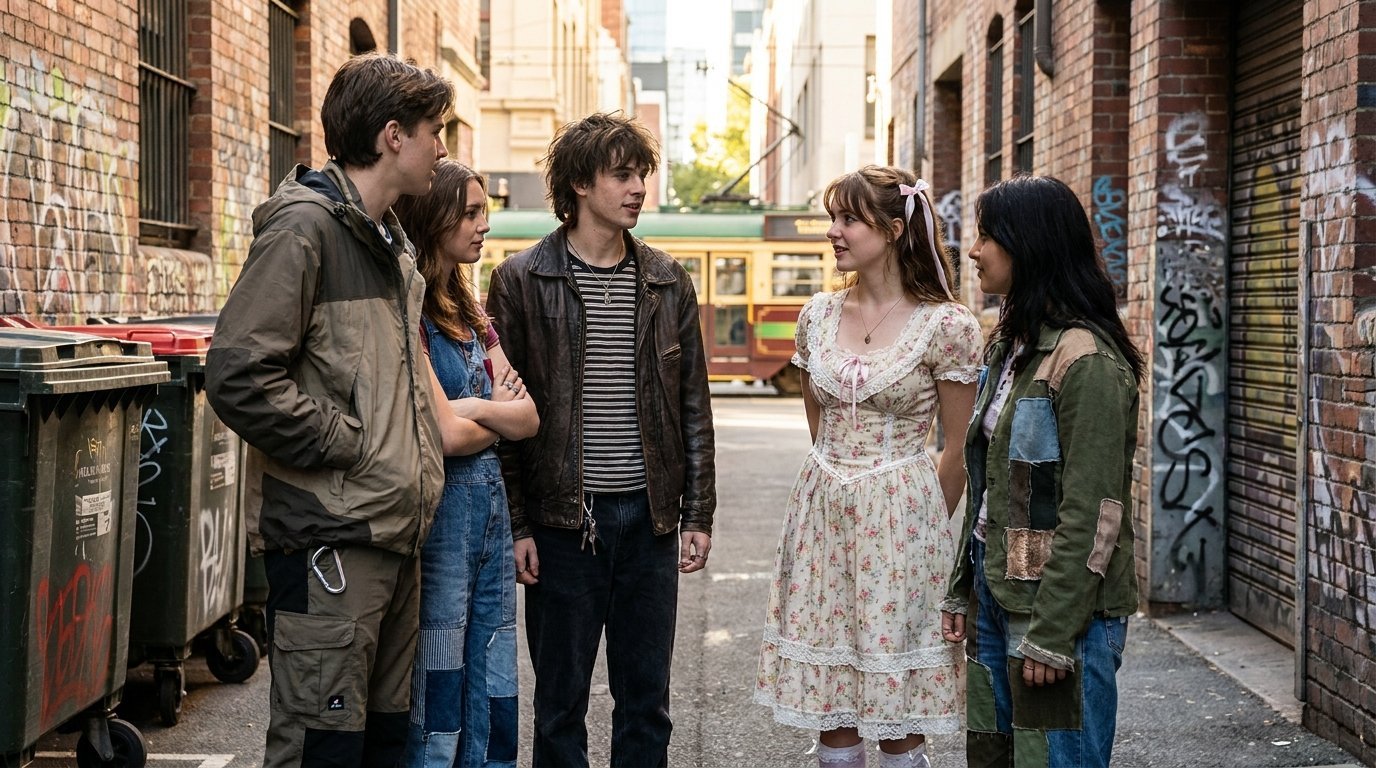
Teenage fashion in 2026 is dominated by sustainable practices, gender-fluid styles, and distinct micro-aesthetics like Coquette and Gorpcore, highlighting Gen Z’s commitment to authenticity.
In 2026, teenage fashion in Australia is evolving rapidly, characterised by a vibrant blend of global influences and local innovation. As the fashion landscape shifts, teenagers are embracing new trends that reflect their commitment to authenticity, inclusivity, and sustainability. This guide explores the most significant trends in teenage fashion, revealing how they are capturing the essence of Gen Z’s unique style identity.
Sustainable and Circular Fashion
The push for sustainability is a major driving force in teenage fashion. Gen Z, more environmentally conscious than previous generations, gravitates towards eco-friendly styles that make a statement about their values. The emergence of circular fashion–where clothes are designed, produced, and consumed in a way that minimises environmental impact–is particularly appealing.
Thrifting has become a mainstream activity among Aussie teens, turning op-shopping into a cultural phenomenon. The rise of platforms like Depop allows young fashionistas to buy and sell pre-loved clothing, giving garments a second life and reducing waste. This trend not only satisfies a desire for unique wardrobe pieces but also aligns with the broader move towards sustainability.
Additionally, upcycling DIY projects have become a creative outlet, allowing teenagers to personalise their fashion items and express individual style while fostering a sustainable approach.
Micro-Aesthetics: Beyond the Mainstream
Micro-aesthetics are niche style movements that have gained traction through social media platforms, especially TikTok. These trends allow teenagers to showcase their identities in distinctive ways, transcending traditional fashion norms.
The Coquette aesthetic, characterised by its delicate and playful femininity, has captured the hearts of many young Australians. It’s all about pastel colours, lace, and vintage-inspired accessories that create a dreamy vibe.
On the other hand, the Gorpcore trend, which embraces outdoor and utilitarian fashion, is perfect for those who prefer a more rugged, practical look. Think puffer jackets, hiking boots, and technical gear that doubles as streetwear.
Meanwhile, Indie Sleaze–a nod to early 2000s grunge–continues to influence with its bold prints and DIY ethos, appealing to those wanting to rebel against mainstream conventions.
Expert Perspective
Fashion Analyst
In my role as a fashion analyst, I observe that Gen Z’s emphasis on sustainability and individuality is transforming the fashion industry. Brands must adapt to these priorities to remain relevant and capture the attention of this discerning demographic.
Embracing Gender-Fluid and Non-Binary Styles
The move towards gender fluidity is reshaping teenage fashion, encouraging more inclusive and non-binary styles. Clothing lines are increasingly gender-neutral, offering collections that cater to everyone regardless of gender identity. This shift is not just a trend but a reflection of changing societal norms towards greater acceptance and inclusivity.
Australian brands are at the forefront, designing garments that eschew traditional gender categories. Unisex t-shirts, trousers, and jackets that blend masculine and feminine elements are becoming staples in teen wardrobes.
This movement empowers teenagers to express their identity through fashion, breaking free from gender constraints and opting for styles that reflect personal comfort and expression.
High-Low Styling: Merging Thrift with Luxury
High-low styling–a fashion approach combining thrifted pieces with high-end items–is gaining popularity among teenagers. This style not only maximises wardrobe versatility but also offers a platform for self-expression.
Teens mix op-shop finds with luxury accessories, creating unique ensembles that stand out. For instance, pairing a vintage denim jacket from the local Salvos with high-fashion sneakers or a designer handbag. This juxtaposition highlights creativity and personal style.
This trend also aligns with Gen Z’s value for authenticity and individuality, demonstrating that style isn’t dictated by price tags but by how pieces are combined to tell a story.
The Role of Social Media in Trend Development
Social media platforms like TikTok and Instagram are pivotal in shaping teenage fashion trends. These platforms provide instant access to global fashion movements, allowing trends to spread rapidly across borders.
Australian teens are avid consumers and creators of content, using these platforms to share their unique takes on fashion. Viral challenges and hashtags often spark new style movements, with influences ranging from pop culture to regional traditions.
Through social media, teenagers not only follow trends but also contribute to their evolution, participating actively in dialogues around fashion and style.
TikTok-First Trend Analysis
TikTok has emerged as a trend incubator, where short, engaging videos can turn a style into a sensation overnight. Teenagers in Australia are particularly adept at leveraging TikTok to discover and promote new fashion trends.
Challenges like ‘Thrift Flip’ encourage users to creatively repurpose second-hand clothing, emphasising the importance of sustainability in fashion. Meanwhile, ‘Outfit of the Day’ (#OOTD) videos inspire followers by showcasing daily fashion choices, often featuring local brands and DIY projects.
The platform’s algorithm also plays a role, pushing content that resonates with users’ interests and helping niche trends gain mainstream popularity quickly.
Frequently Asked Questions
In 2026, popular teenage fashion trends include sustainable and circular fashion, gender-neutral clothing, and micro-aesthetics such as Coquette, Gorpcore, and Indie Sleaze.
Social media platforms like TikTok and Instagram play a crucial role in trend development by providing a space for global fashion exchange, promoting challenges, and showcasing daily outfit inspirations.
Sustainability aligns with Gen Z’s environmental values, promoting practices like thrifting and upcycling, and supporting circular fashion to minimise the ecological impact of clothing.
High-low styling involves combining thrifted or second-hand clothing with luxury or high-end pieces to create unique, personalised fashion ensembles.
Micro-aesthetics are niche fashion styles that gain popularity through social media, allowing individuals to express their unique style identities, such as Coquette, Gorpcore, and Indie Sleaze.