

Key Takeaways
- AI is enhancing ergonomic fit and adaptability in unisex outdoor apparel.
- Predictive AI models improve material performance in diverse climates.
- AI helps reduce waste and fosters sustainable fashion practices.
Key Answer
AI is revolutionising unisex outdoor apparel by creating adaptable, ergonomic designs that ensure optimal fit and functionality across diverse environments and body types.
In recent years, AI has fundamentally transformed the outdoor apparel industry, particularly in developing unisex outfits for hikers, mountaineers, and trekking enthusiasts. This technological revolution is addressing long-standing challenges in fit, functionality, and sustainability, leading to gear that adapts to the diverse needs of outdoor adventurers. This article delves into key trends and strategies driving these innovations, showcasing how AI is enhancing unisex designs to accommodate various climates and terrains.
The Role of AI in Outdoor Apparel Design
AI’s role in outdoor apparel design has expanded beyond mere aesthetic innovations. It now encompasses the creation of functional, unisex designs that cater to the complex needs of both amateur and professional adventurers. Leveraging vast datasets, AI algorithms analyse body measurements across demographics to generate unisex patterns that offer a tailored fit without sacrificing technical performance. This shift is pivotal for overcoming issues associated with traditional gender-specific gear, which often fails to meet the ergonomic and utility demands of the outdoor community.
AI-driven design processes are also refining the material selection and garment construction stages. By predicting performance outcomes in various environmental conditions, AI ensures that outfits are not only comfortable but also resilient against elements like wind, rain, and snow. This data-driven approach optimises the balance between form and function, providing outdoor enthusiasts with versatile gear suitable for all terrains.
Innovative Fabric Technologies
AI’s integration into fabric technology represents a significant advancement in the outdoor apparel sector. Through machine learning, companies can now develop predictive models that simulate how different fabrics will perform under various stressors, such as intense weather changes or high physical exertion. This predictive capability allows for the creation of materials that are not only durable but also adaptive, providing enhanced thermal regulation and moisture management.
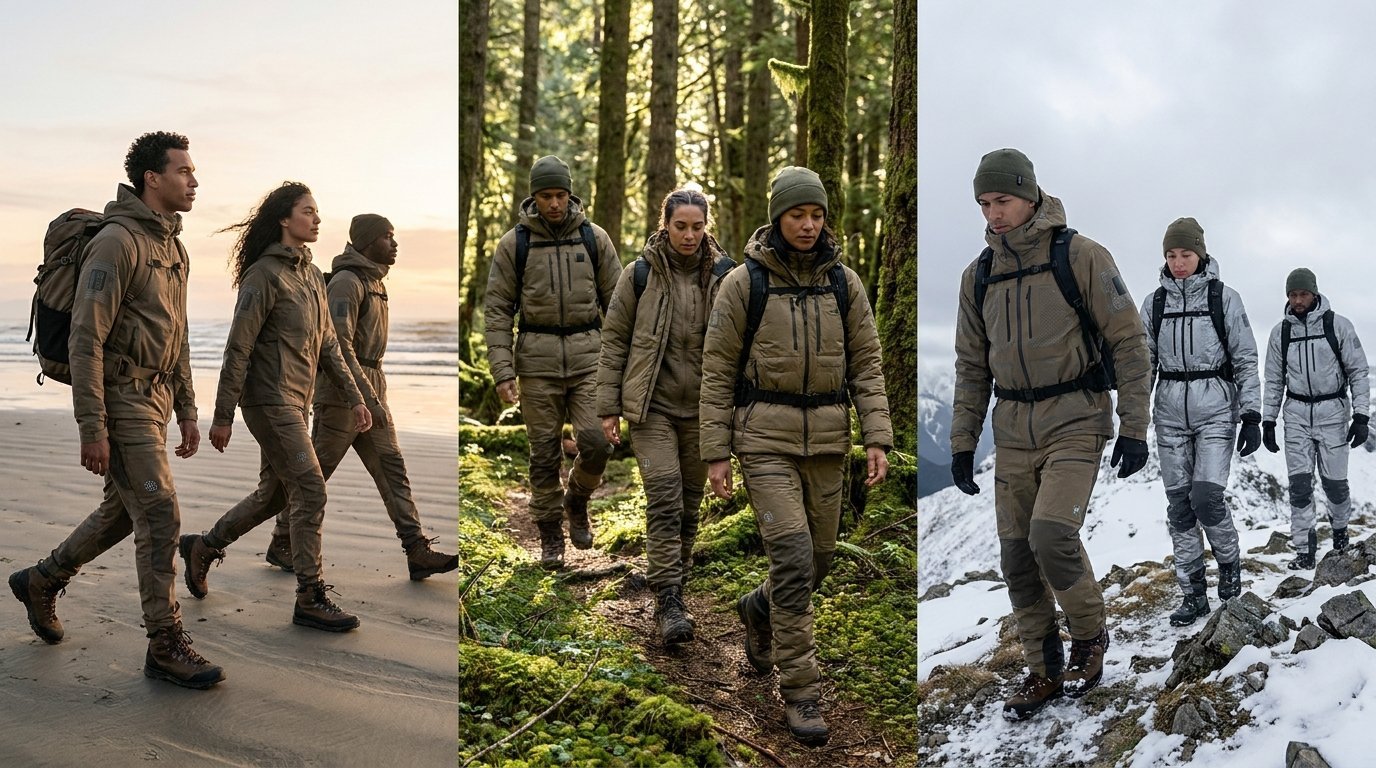
For instance, the use of AI in designing Vertex Down Jackets ensures they provide necessary insulation at high altitudes while remaining breathable during intense physical activities. By tailoring the thermal properties of these garments through AI, designers can offer improved comfort and safety in extreme environments. This technological integration ultimately results in products that can transition seamlessly from the humid coastal trails to the harsh, windy peaks.
Expert Perspective
Outdoor Gear Specialist
Incorporating AI into unisex outdoor apparel design is a game-changer for the industry. It addresses the critical need for gear that combines performance with universal fit, moving away from traditional gender-specific constraints. As technology progresses, AI will likely become a standard tool in designing all high-performance apparel, setting a new benchmark for innovation and sustainability in the fashion sector.
Case Study: AI's Impact on Unisex Technical Apparel
“The outdoor apparel industry relies heavily on gender-neutral technical performance driven by extreme environmental needs.”
Brands like The North Face, Mammut, and Nimsdai are pioneering the integration of AI to enhance their product offerings. These companies are leveraging AI to design versatile clothing systems that provide utility across a range of activities and environments. For instance, the Summit Suit V2 embodies AI’s potential in creating adaptive and ergonomic fits for all body types.
The core problem with traditional gear is its rigid fitting standards, which AI is effectively addressing by enabling dynamic adjustments. AI allows these outfits to accommodate different torso lengths and shoulder widths through features like dual drawcord hems and articulated elbows. This adaptability is crucial for ensuring comfort and functionality across various terrains, reinforcing the practical benefits of a well-engineered unisex kit.
Sustainability and Waste Reduction through AI
AI is not only enhancing the functionality of outdoor apparel but also promoting sustainability. By using machine learning algorithms, companies can optimise supply chains and reduce textile waste, a significant concern in the fashion industry. AI analyses data to forecast demand more accurately, enabling manufacturers to produce only the necessary quantities, thereby reducing excess inventory and waste.
Moreover, AI facilitates the development of eco-friendly materials by analysing the environmental impact of different textiles. This analysis helps designers choose sustainable alternatives without compromising on performance, ensuring that the apparel industry moves towards a greener future. As consumers become more eco-conscious, the demand for sustainable products will likely increase, further incentivising brands to adopt AI-driven sustainable practices.
Future Prospects: AI and Smart Wearables
The future of AI in outdoor apparel is bright, especially with the incorporation of smart wearable technology. AI-integrated sensors can be embedded into unisex garments to monitor real-time biometric data such as heart rate, body temperature, and hydration levels. This innovation not only enhances safety during outdoor activities but also provides valuable feedback that can be used to further improve product designs.
As AI continues to evolve, the potential for even more advanced features in outdoor gear is vast. For example, AI could enable garments to automatically adjust insulation levels based on external temperature changes, or provide real-time weather alerts and navigation support. These advancements will empower outdoor enthusiasts to push their limits safely, with gear that adapts intelligently to their needs.
Sources & Further Reading
- https://nimsdaistore.com
- The Future of Hiking: How Smart Gear is Changing …
- 2026 Hiking Gear Trends, And Whether I Think They’re …
#OutdoorGear #SustainableFashion #AIinFashion