

Key Takeaways
- Asian skin tones have a diverse range of undertones, requiring tailored colour matches.
- Colour matching for Asian skin involves understanding both overtones and undertones.
- Fabric materials play a crucial role in how colours are perceived on different skin tones.
Key Answer
Asian skin deserves tailored colour matches because of its unique blend of undertones and pigmentation that standard colour palettes often fail to complement effectively.
In the global fashion industry, the significance of understanding diverse skin tones cannot be overstated, especially when it comes to Asian skin tones. “Why Asian Skin Deserves Tailored Colour Matches” is not just a question of aesthetics; it’s about inclusivity and precision in fashion design. Asian skin often possesses a unique blend of undertones that can be challenging to complement without specialised knowledge and effort from designers.
Understanding the Unique Characteristics of Asian Skin
Asian skin is known for its remarkable diversity in pigmentation and undertones. This diversity ranges from fair to deep complexions, with undertones that can be cool, warm, or olive. The presence of melanin and carotene impacts how colours appear on the skin, making certain shades either complementary or clashing. For instance, olive undertones can reflect a greenish hue that is often misinterpreted by standard colour theories as purely warm, when in fact, it requires a more nuanced approach.
| Skin Tone | Common Undertones | Best Complementary Colours |
|---|---|---|
| Fair Asian | Cool, Neutral | Soft pastels, gentle blues |
| Medium Asian | Warm, Olive | Earthy tones, rich browns |
| Deep Asian | Warm, Neutral | Vivid oranges, regal purples |
The Science Behind Colour Matching
Colour matching is an intricate science that involves understanding both overtones and undertones. For Asian skin, overtone refers to the visible colour of the skin, while undertone reflects the underlying hue that affects the overall appearance. The balance between melanin and carotene in Asian skin contributes to its unique pigmentation, requiring designers to consider both when selecting colours.
Furthermore, environmental factors such as lighting can dramatically alter how colours are perceived. Under different lighting conditions, a fabric that looks perfect in natural light might seem dull in fluorescent lighting, commonly found in office spaces or retail environments. Thus, selecting colours that maintain their vibrancy across different settings is crucial for fashion designers.
Expert Perspective
Senior Fashion Analyst
The emphasis on tailored colour matches for Asian skin underscores the fashion industry’s evolving commitment to inclusivity. Designers who prioritise understanding the unique characteristics of Asian skin are better equipped to meet the demands of a global market.
Importance of Materials in Colour Matching
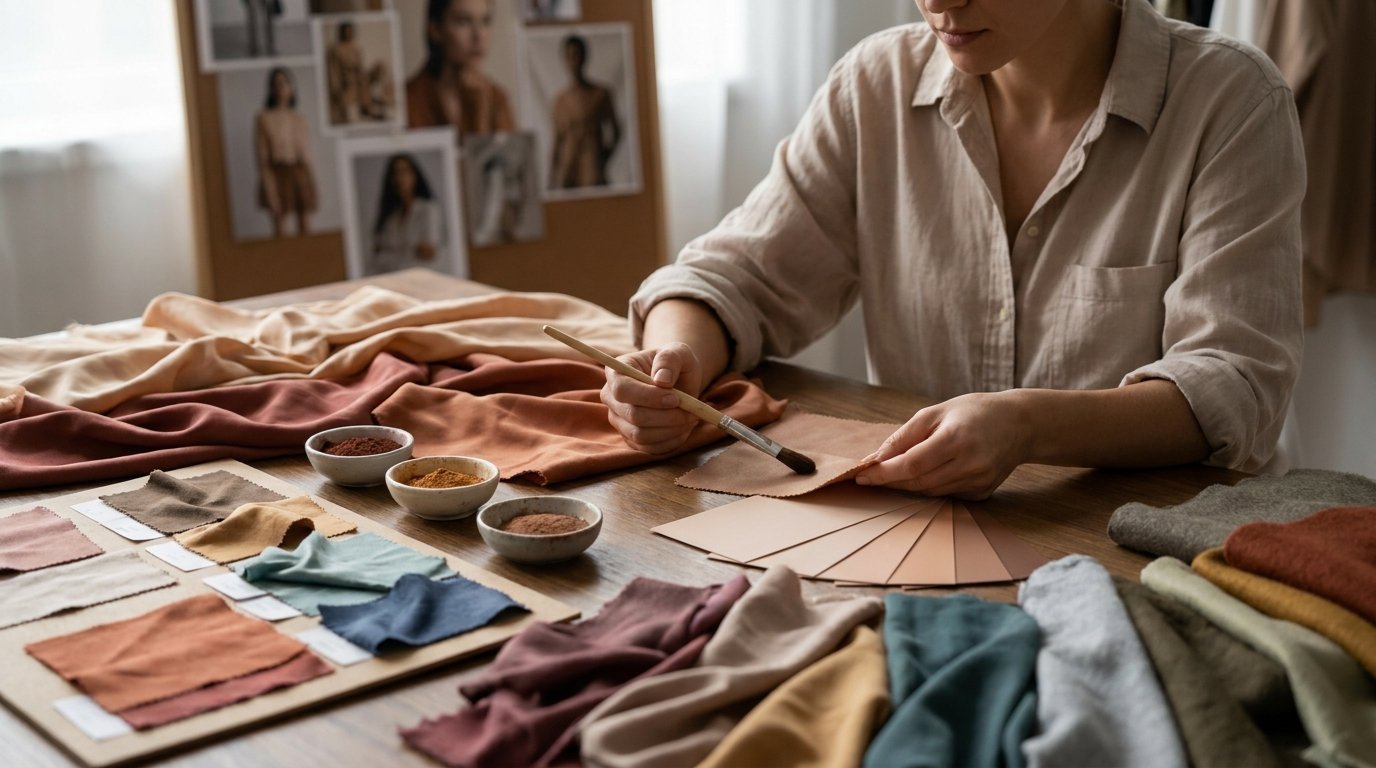
Materials play a pivotal role in how colours interact with skin tones. Fabrics such as silk, cotton, and linen offer different textures and reflectivity, which can enhance or detract from the harmony of an outfit. Silk, known for its lustrous sheen, can elevate the appearance of deep tones, while cotton provides a more matte finish, often suited for casual wear.
Choosing the right material is as important as choosing the right colour. Designers must consider how fabric textures will interact with skin tones to achieve the desired aesthetic effect. Additionally, advances in textile technology now allow for custom dyes and prints that can be engineered to suit specific skin tones, offering a bespoke approach to fashion.
Why Asian Skin Deserves Tailored Colour Matches
Given the complexity of Asian skin tones, the need for tailored colour matches becomes evident. The fashion industry has a responsibility to embrace this diversity by developing palettes and designs that address the specific needs of Asian consumers. This is not merely a trend but a commitment to inclusivity and representation.
Incorporating a wider range of colours and materials that cater to these unique needs not only elevates the personal style of the consumer but also sets a precedent for the industry to follow. As globalisation continues to integrate diverse cultures, fashion brands must adapt their practices to better serve a global clientele.
Future Directions for the Fashion Industry
The future of the fashion industry lies in its ability to understand and integrate the nuances of different skin tones into design processes. By investing in research and development focused on Asian skin tones, the industry can create more inclusive and representative collections. Brands are encouraged to collaborate with dermatologists and colour scientists to explore innovative solutions for this purpose.
Interactive tools such as virtual try-ons and AI-driven colour analysis are predicted to become more prevalent, assisting consumers in making informed decisions about their wardrobe choices. The integration of technology with fashion design promises a more personalised shopping experience, ensuring that everyone feels seen and appreciated in the vibrant world of fashion.
Sources & Further Reading
#FashionIndustry #InclusiveDesign #AsianBeauty