
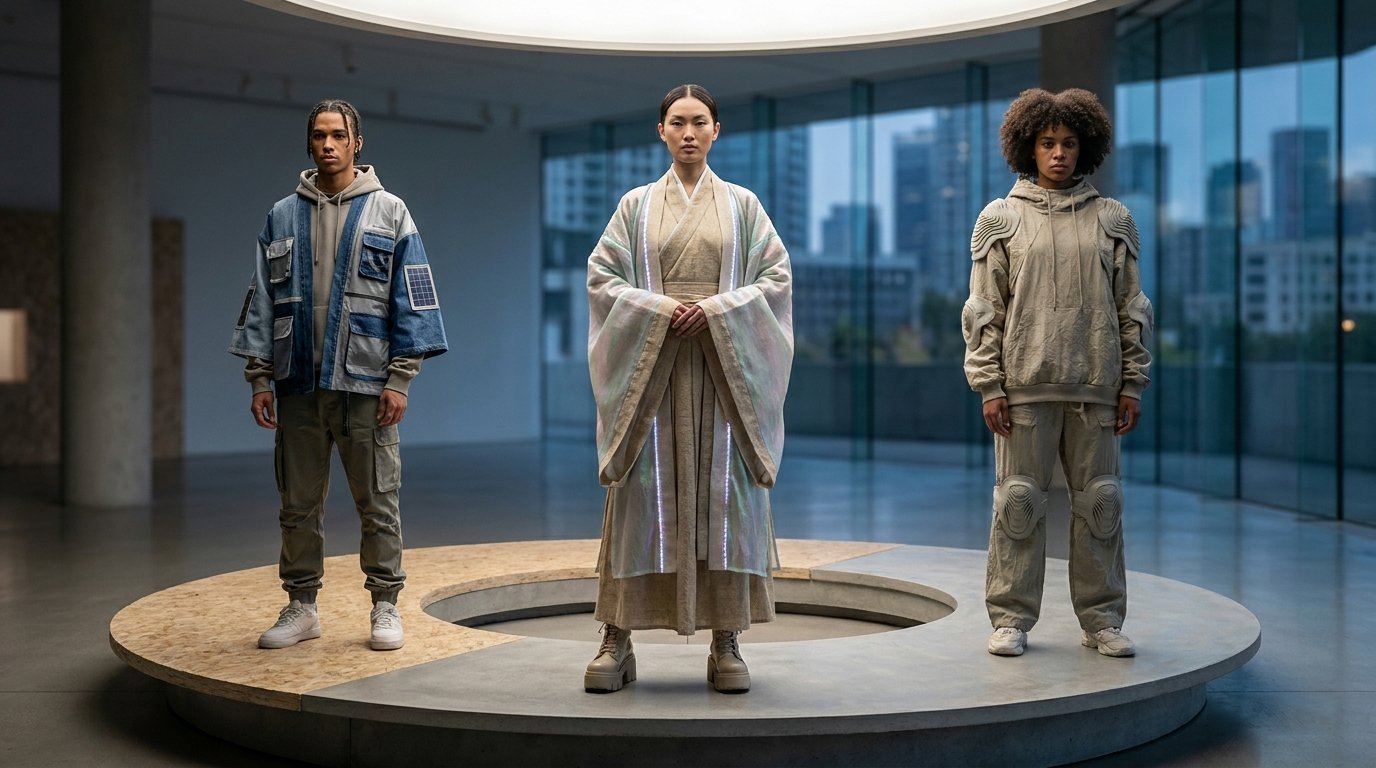
Key Takeaways
- Asian fashion in 2026 is characterized by a blend of traditional and modern elements, making cultural clothing relevant in contemporary style.
- Sustainability is at the forefront, with many Asian countries leading the charge towards eco-friendly fabric innovations.
- Technological advancements are transforming streetwear with smart fabrics and wearable tech.
- Digital integration is redefining fashion marketing, with virtual influencers and metaverse collections gaining popularity.
Key Answer
Asian fashion Trends in 2026 revolve around blending traditional styles with modern tech, eco-friendly materials, and cultural authenticity, spearheading a global fashion evolution.
The Asian fashion landscape in 2026 is set to be a kaleidoscope of colours, textures, and innovations that reflect both its rich heritage and its forward-thinking approach. From neo-traditional clothing revivals to the incorporation of advanced technology in fashion, Asia is redefining global trends. These shifts not only spotlight the fusion of the old and new but also highlight the region’s commitment to sustainability and cultural authenticity.
Revival of Neo-Traditional Clothing
In recent years, there has been a growing interest in revamping traditional Asian clothing styles, creating a phenomenon known as neo-traditionalism. The Hanfu in China, Kimono in Japan, and Cheongsam across various Asian regions have seen modern updates that make them suitable for contemporary wardrobes. This resurgence is a nod to preserving cultural heritage while making these garments accessible to younger generations.
The Hanfu, historically a symbol of Chinese culture, is now often seen adorned with modern embellishments and designed with comfort in mind. Similarly, the Japanese Kimono has been reimagined with vibrant colours and patterns, appealing to both local and global audiences. These designs not only maintain traditional significance but also cater to the fashion-forward crowd, making them essential in the evolving landscape of Asian fashion.
Sustainable Fabrics Leading the Change
The shift towards sustainable and eco-friendly materials is a significant trend in the Asian fashion industry in 2026. Brands are increasingly investing in bio-fabric innovations that reduce environmental impact. In countries like Japan and South Korea, designers are utilising fabrics such as bamboo fibres and organic cotton, which offer both durability and sustainability.
This green movement reflects a broader global push for eco-conscious fashion, with Asian countries at the forefront of this transition. Sustainable practices in manufacturing and resource management are not only beneficial for the environment but also resonate with a growing demographic that values ethical production.
Expert Perspective
Fashion Industry Analyst
As the fashion world evolves, Asia stands out by merging deep cultural roots with pioneering technology and sustainable practices. In my view, these trends will not only redefine regional aesthetics but will significantly influence global fashion narratives. Brands looking to stay relevant must embrace both technological advancements and cultural authenticity.
Tech-Infused Streetwear and Smart Fabrics
Technological integration in fashion is not new, but in 2026, Asian designers are pushing the envelope with tech-infused streetwear and smart fabrics. Wearable technology is increasingly being incorporated into everyday clothing, offering functionality alongside style. This includes garments with built-in sensors to track health metrics and dynamic LED displays for customisable patterns.
Such innovations are particularly prevalent in urban centres like Tokyo and Seoul, where tech-savvy consumers eagerly adopt these trends. The blending of technology and fashion reflects Asia’s reputation as a hub of innovation, setting the stage for future global fashion dynamics.
Digital-First Aesthetics and Virtual Influencers
The rise of digital-first aesthetics, where collections are designed primarily for online platforms, is shaping Asian fashion significantly in 2026. Virtual influencers and metaverse fashion collections are becoming mainstream, offering brands new ways to engage with tech-oriented audiences. This trend is revolutionising how fashion is marketed and consumed, with digital designs sometimes leading to physical productions.
Asian countries, especially South Korea, are leading the charge in this digital revolution. Brands are leveraging technologies like augmented reality (AR) to create immersive shopping experiences, appealing to a digitally native demographic. This shift highlights a broader trend towards virtual integration in various aspects of the fashion industry.
Cultural Authenticity and Religious Influences
Religious and cultural influences remain a pivotal part of the fashion narrative in Asia. In 2026, the interplay between faith and fashion continues to inspire designers across the continent. For example, traditional Islamic wear in Southeast Asia is seeing innovative designs that adhere to religious standards while incorporating contemporary fashion elements.
This balance between preserving religious identity and embracing modern fashion is not only seen in Islamic fashion but also in other religious communities across Asia. The challenge of maintaining authenticity while appealing to diverse fashion sensibilities is a testament to the region’s dynamic cultural tapestry.
Frequently Asked Questions
What is the neo-traditional trend in Asian fashion?
Neo-traditionalism in Asian fashion refers to the modern revival of traditional garments such as the Hanfu, Kimono, and Cheongsam, updated with contemporary designs and materials for today’s fashion landscape.
How is technology influencing Asian fashion trends in 2026?
Technology is deeply integrated into Asian fashion through smart fabrics and wearable tech, offering innovative features such as health monitoring and customisable designs, particularly in urban fashion scenes like Tokyo and Seoul.
Why are sustainable fabrics important in 2026 Asian fashion?
Sustainable fabrics reflect the global move towards eco-friendly practices, with Asian designers leading the charge in using materials like bamboo fibres and organic cotton to promote ethical fashion production.
How are digital platforms changing fashion consumption?
Digital platforms are transforming fashion through virtual influencers and metaverse collections, allowing brands to engage with tech-savvy consumers via AR and digital-first designs.
What role do cultural and religious influences play in Asian fashion?
Cultural and religious influences remain integral, with designers balancing traditional dress codes with modern fashion elements to maintain authenticity while appealing to diverse audiences.
—
Sources & Further Reading
- 400 Asian fashion ideas in 2026
- Discover 40 asia 2026 and hong kong outfit ideas ideas
- The Rise of Neo-Chinese Style in 2026: Why Modern Chinese Fashion is Redefining Global Elegance
- Korean fashion trends for spring/summer 2026
#AsianFashion2026 #SustainableStyle #TechInFashion
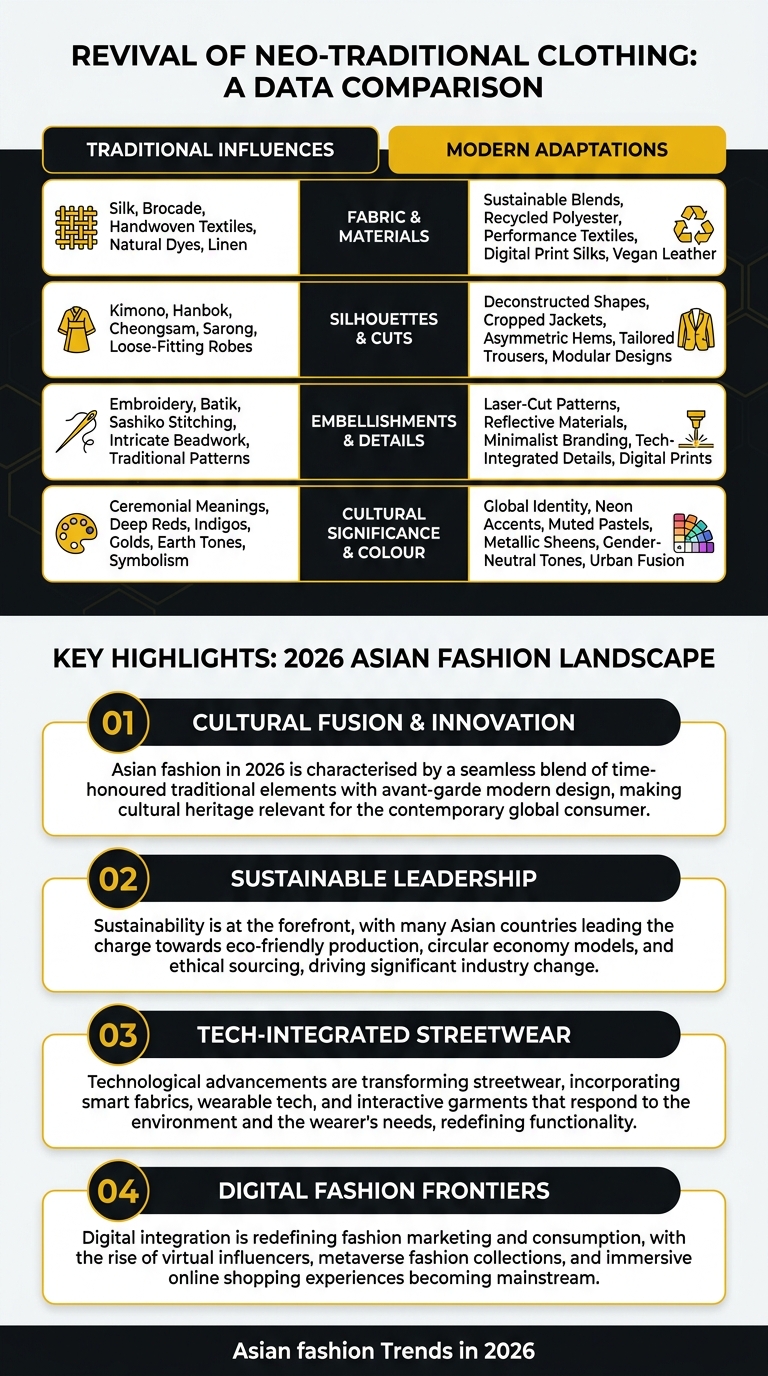 Data Infographic