
Managing your power bill using solar panels is a smart way to reduce energy costs and increase energy independence. With the right approach, solar panels can significantly cut down your household or business power expenses.
This article will guide you through practical steps to maximise your savings and get the most out of solar energy. We’ll cover simple habits, monitoring tools, and tips on integrating technology for better management.
Whether you’re considering installing panels or already have them, understanding how to optimise your solar system helps you stay in control of your power usage and costs.
Understanding Solar Energy and Power Bills
Solar panels convert sunlight into electricity, lowering the amount of power you need to buy from your electricity provider. This can lead to noticeable savings on your power bill.
However, to truly benefit, it’s important to understand how your solar system interacts with your household or business energy consumption. Using energy during peak sunlight hours optimises the utility of your panels.
Related: [Internal Link Placeholder]
- Solar panels produce energy primarily during daylight.
- Power bills are often based on total consumption minus what you generate.
- Unused solar energy may be exported back to the grid for credits, depending on your plan.
Using Technology to Monitor and Manage Solar Usage
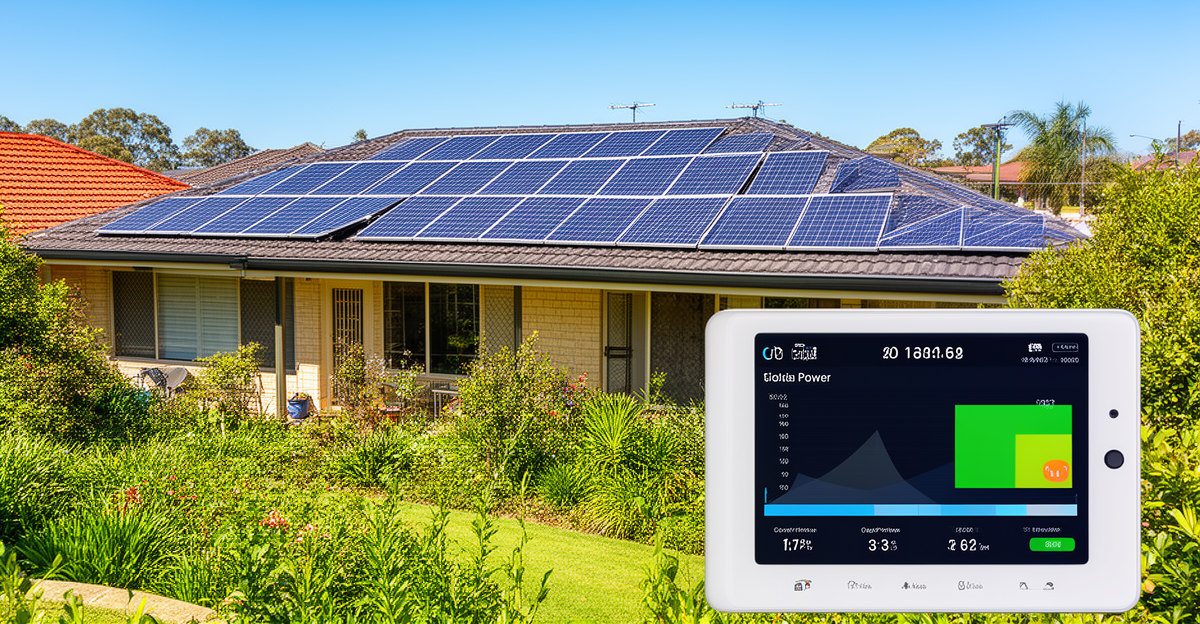
Monitoring your solar energy production and consumption is key to reducing your power bill. Many solar systems come with apps or software that display real-time data.
Incorporating software tools to manage team member tasks or household energy habits can increase awareness and encourage better habits that complement solar usage.
Service management reporting tools can help track trends over time, allowing for smarter decision-making about when and how you use electricity.
- Use solar monitoring apps to track daily production and consumption.
- Set alerts for unusual power use or low solar production.
- Review monthly reports to adjust your energy habits accordingly.
Timing Your Energy Use to Match Solar Generation
To maximise savings, try to schedule energy-intensive activities during peak sunlight hours when your panels are generating the most power.
Simple changes like running your washing machine, dishwasher, or charging electric vehicles during the day can reduce reliance on grid energy.
Planning your daily routines around solar output helps you manage your power bill more effectively.
- Run appliances between 10am and 3pm when solar production peaks.
- Shift non-urgent electricity use away from early morning and evening.
- Consider timers to automate when devices run.
Maintaining Your Solar Panels for Optimal Performance
Keeping your solar panels clean and well-maintained ensures they operate efficiently and generate maximum electricity.
Regular inspection and prompt repairs can prevent drops in power output that affect your savings.
If you have an existing solar system, consulting maintenance guides related to itil software asset management process can help ensure your equipment remains in good condition.
- Clean panels periodically to remove dirt and debris.
- Check for shading that could limit sunlight exposure.
- Schedule professional inspections yearly to catch issues early.
Integrating Solar With Other Energy Management Systems
Pairing your solar panels with smart home devices or energy management platforms enhances control over your power use and billing.
Using crm and project management tools tailored for energy scheduling can improve coordination for businesses or multi-occupant homes.
Exploring open source it infrastructure management software open source options can provide customisable solutions for larger setups.
- Install smart meters to track and control energy flows.
- Connect solar data to energy budgeting apps.
- Use technology to automate energy use based on solar availability.
Frequently Asked Questions
Solar panels can greatly reduce your power bill but rarely eliminate it, as some electricity is usually drawn from the grid, especially at night.
It’s best to check your solar energy usage daily or weekly to stay on top of your production and consumption patterns.
Yes, many solar providers offer monitoring software, and there are general energy management tools that integrate with solar systems.
Annual professional inspections are recommended to keep your system running efficiently and to identify any issues early.
On cloudy days, try to minimise power use or rely on stored energy if you have battery systems; monitoring tools can help adjust your usage accordingly.
If your solar system sends excess power to the grid, you may receive credits that reduce your overall power bill depending on your electricity provider.
Next Steps
Ready to take control of your power bills with solar? Download our simple checklist to optimise your solar system and start saving today.