
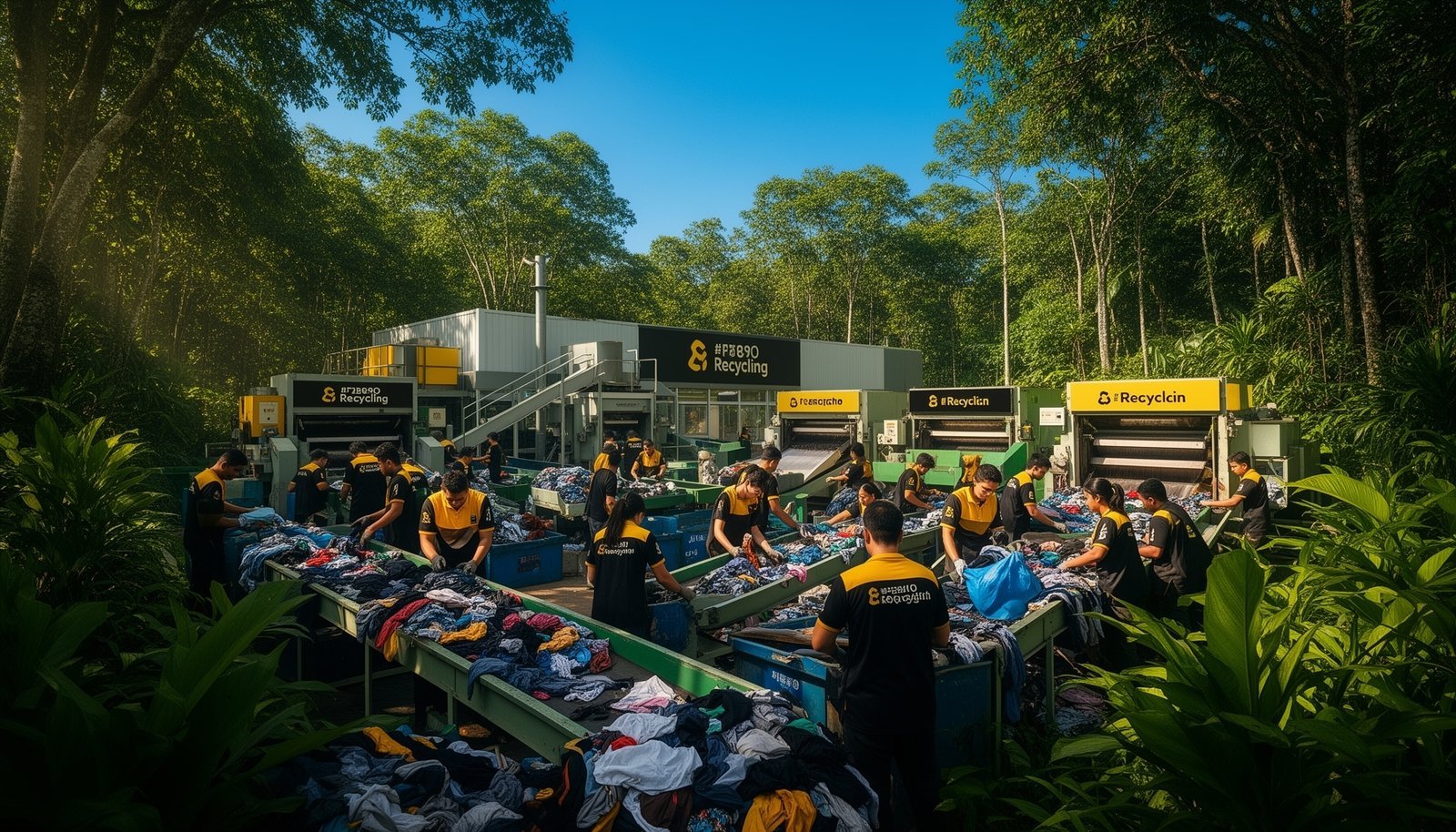
Key Takeaways
- Clothes recycling reduces landfill waste and conserves natural resources.
- Eco-friendly materials play a crucial role in sustainable fashion.
- Global initiatives are driving industry standards towards sustainability.
Key Answer
Clothes recycling reduces landfill waste, conserves resources, and supports sustainable fashion. It transforms old garments into new materials, reducing the environmental impact of textile production.
Why Clothes Recycling is Essential for Our Planet is a pressing topic in today’s fashion industry. As the detrimental effects of fast fashion and textile waste become increasingly evident, it is crucial to explore sustainable alternatives. This comprehensive guide delves into the importance of clothes recycling and how it contributes to a healthier planet.
The Environmental Impact of Textile Waste
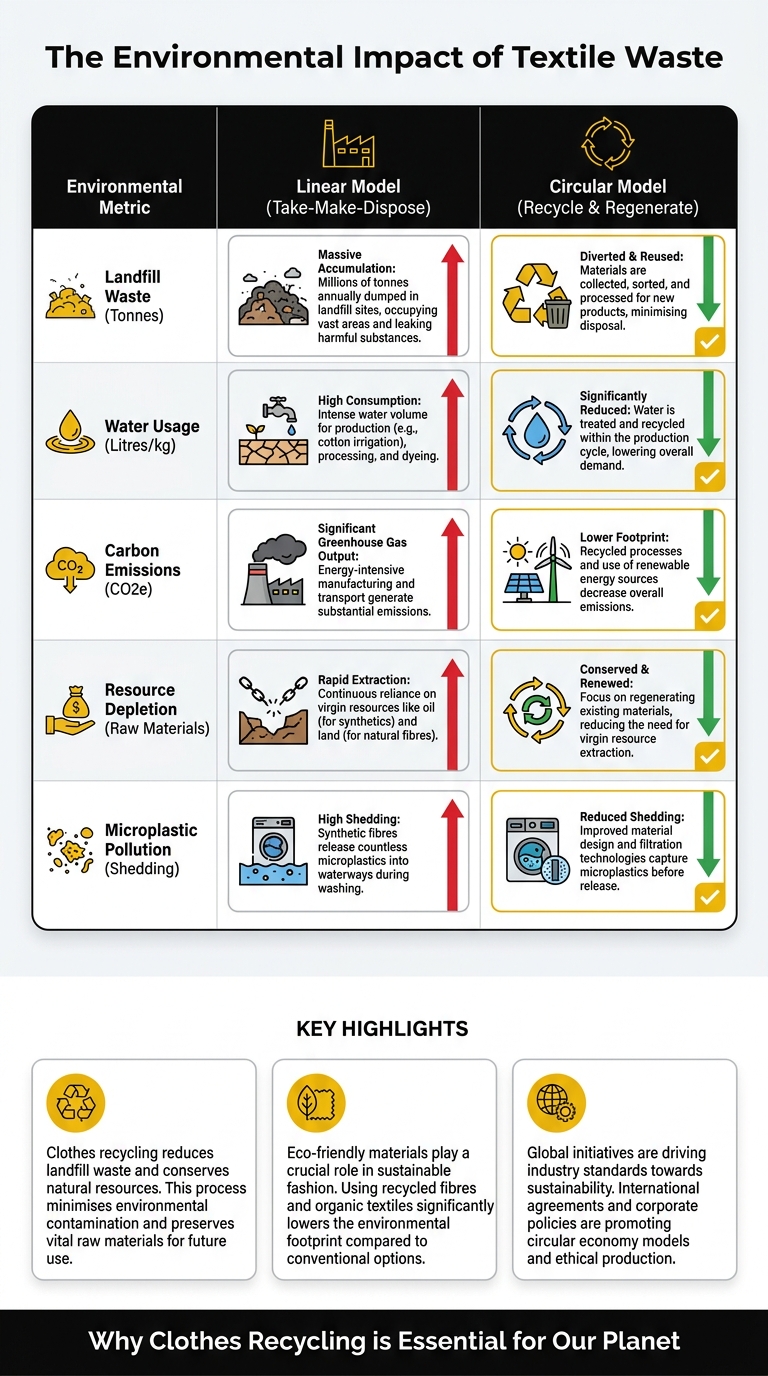
The fashion industry is one of the largest polluters globally, largely due to textile waste. Each year, millions of tonnes of clothing end up in landfills, where synthetic fibres can take decades to decompose, releasing methane and toxic chemicals into the environment. The negative impact extends beyond landfills, contributing significantly to carbon emissions during production and disposal processes.
Moreover, discarded clothing often ends up in incinerators, releasing harmful pollutants into the air. According to Planet Aid, the environmental footprint of the fashion industry is staggering, making clothes recycling a necessary step towards sustainability.
The Benefits of Clothes Recycling
Clothes recycling offers numerous benefits, from reducing landfill waste to conserving natural resources. By recycling textiles, the demand for virgin materials decreases, thus lowering the energy and water consumption associated with fabric production. This process not only conserves vital resources but also minimises greenhouse gas emissions. According to research by Hippo Waste, recycling saves substantial amounts of water and energy that would otherwise be used in manufacturing new textiles.
Additionally, clothes recycling supports sustainable fashion by promoting a circular economy. This approach encourages the reuse of materials, reducing the reliance on finite resources. Companies that incorporate recycling into their production processes often create eco-friendly materials, such as fabrics made from recycled plastic bottles or regenerated fibres.
Benefit Impact
Reduces landfill waste Decreases environmental pollution
Conserves resources Lowers energy and water usage
Minimises emissions Reduces carbon footprint
Supports sustainable fashion Promotes a circular economy
Expert Perspective
Sustainability Consultant
In my experience as a sustainability consultant, clothes recycling is not just an environmental imperative but an economic opportunity. Brands that invest in recycling and eco-friendly materials are not only contributing to a healthier planet but are also positioning themselves as leaders in a growing market for sustainable fashion.
How to Properly Recycle Clothes
Properly recycling clothes involves several key steps. Begin by sorting garments based on their condition. Items that are gently used can often be donated to thrift stores or charitable organisations, extending their lifecycle. For clothes that are worn out, consider textile recycling programs that accept old and damaged fabrics.
Many brands now offer take-back schemes where consumers can return old garments in exchange for store credit. For instance, Universal Standard has a program that incentivises recycling by rewarding consumers. Participating in such initiatives not only supports the environment but also encourages brands to adopt more sustainable practices.
To ensure effective recycling, check local council resources for textile recycling options, as many cities provide designated drop-off points for unwanted clothes. It’s essential to stay informed about what materials can be recycled, as blended fabrics might require specific processing methods.
Eco-Friendly Materials in Fashion
The shift towards eco-friendly materials is a cornerstone of sustainable fashion. Materials such as organic cotton, hemp, and Tencel are gaining popularity due to their minimal environmental impact. These materials require fewer pesticides and less water compared to conventional cotton, making them an eco-conscious choice.
Recycled materials, like polyester made from reclaimed plastic bottles, are also becoming prevalent. Brands like Patagonia are leading the way by integrating recycled fibres into their production lines, demonstrating that sustainable practices can coexist with high-quality fashion.
Incorporating eco-friendly materials in fashion not only reduces the environmental footprint but also promotes innovation within the industry. As consumer demand for sustainable options grows, more companies are investing in research to develop cutting-edge eco-materials that cater to both style and sustainability.
Global Initiatives for Sustainable Fashion
Several global initiatives are championing sustainable fashion by advocating for eco-friendly practices and policies. Organisations such as the Sustainable Apparel Coalition work to create industry standards that prioritise sustainability in production processes. These efforts are crucial for setting benchmarks that encourage companies worldwide to adopt environmentally responsible practices.
Additionally, partnerships between governments and non-profit organisations are vital in promoting educational campaigns that inform consumers about the benefits of recycling and sustainable fashion. These initiatives help to build awareness and create a culture that values sustainability, encouraging consumers to make eco-conscious choices when purchasing clothing.
As the fashion industry continues to evolve, it is imperative for both producers and consumers to engage in practices that support a sustainable future. By embracing clothes recycling and eco-friendly materials, the industry can significantly reduce its environmental impact and pave the way for a more sustainable planet.
Frequently Asked Questions
What are the benefits of recycling clothes?
Recycling clothes reduces landfill waste, conserves resources, minimises emissions, and supports sustainable fashion by promoting a circular economy.
How can I recycle old clothes?
You can recycle old clothes by donating them to thrift stores, participating in brand take-back schemes, or using local textile recycling programs.
What materials are considered eco-friendly in fashion?
Eco-friendly materials in fashion include organic cotton, hemp, Tencel, and recycled polyester, which have a lower environmental impact than conventional materials.
How does clothes recycling support sustainable fashion?
Clothes recycling supports sustainable fashion by reducing the need for virgin materials and promoting the use of recycled and eco-friendly fabrics.
Are there global initiatives supporting sustainable fashion?
Yes, initiatives like the Sustainable Apparel Coalition work to create industry standards that promote sustainability in fashion production. These initiatives aim to educate consumers and encourage eco-friendly practices.
—
Sources & Further Reading
- https://www.recyclecoach.com/blog/8-ethical-companies-that-recycle-clothes-fashion-waste
- https://earth.org/most-sustainable-fashion-brands/
- How Clothing Donations Keep Our Planet Healthier
#SustainableFashion #TextileRecycling #EcoFriendlyMaterials
 Data Infographic