
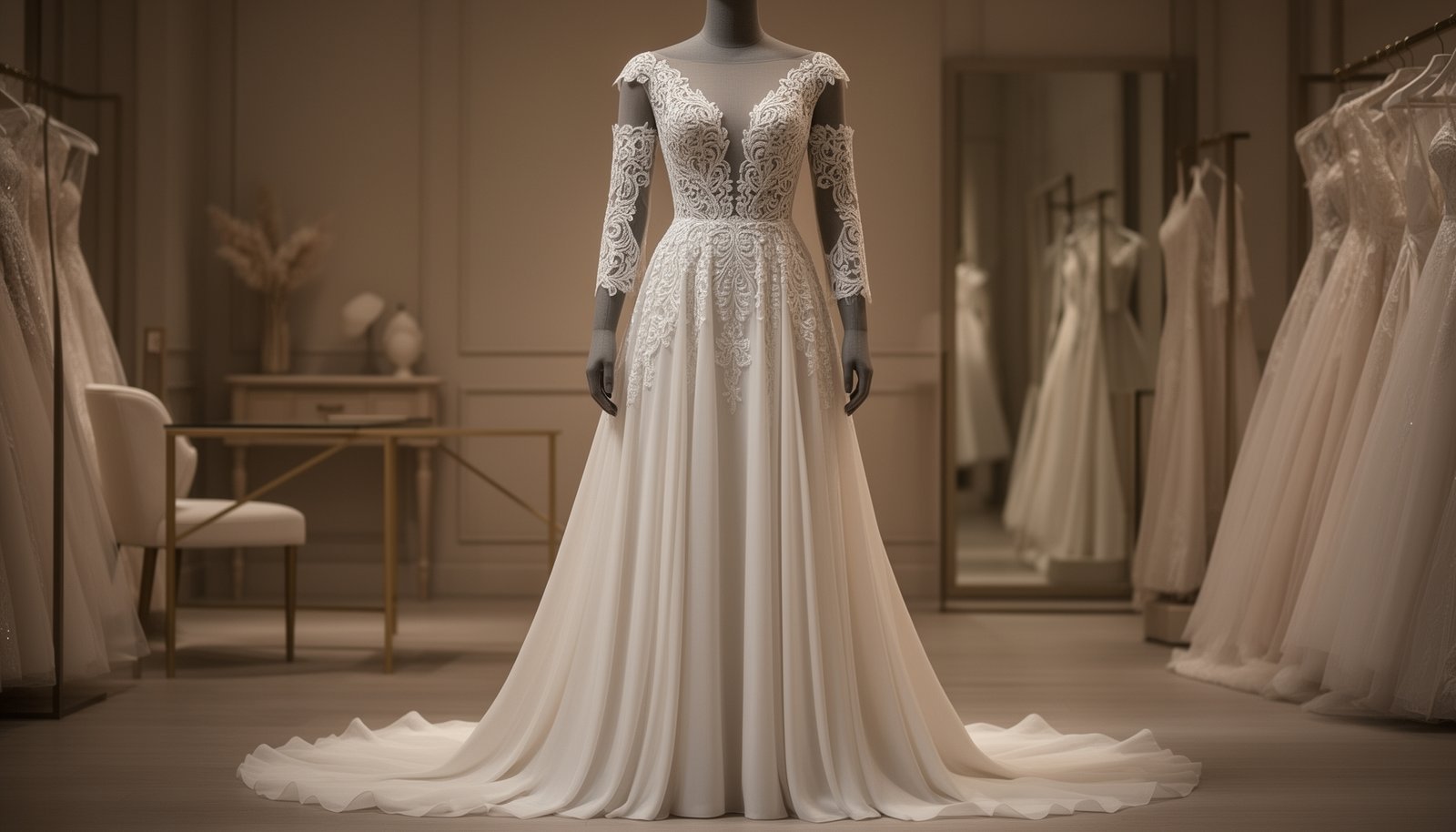
Sustainability and Circular Fashion in Bridal Wear
By 2026, sustainability will be at the forefront of wedding dress design in the UK. Brides are seeking eco-friendly options that reduce environmental impact while maintaining high fashion standards. Key sustainable materials include organic cotton, bamboo silk, and recycled polyester. These materials not only offer a reduced carbon footprint but also ensure ethical production processes. The adoption of circular fashion practices is reshaping how wedding dresses are made and worn. Bridal designers are focusing on gowns that can be reused, resold, or recycled. This approach not only promotes environmental responsibility but also offers brides a way to keep their wedding memories alive through versatile and long-lasting dress options.
Material Sustainability Feature Benefits
Organic Cotton Biodegradable Soft, breathable, and sustainable
Bamboo Silk Renewable resource Luxurious feel with minimal environmental impact
Recycled Polyester Made from recycled plastics Durable and reduces waste
Embracing Modular and Multi-Wear Versatility
The concept of modular fashion is revolutionising bridal wear, offering brides the flexibility to customise and adapt their wedding attire. In 2026, wedding dresses will increasingly feature detachable sleeves, overskirts, and train extensions that allow for easy transitions from the ceremony to the reception. This trend caters to modern brides who seek value and practicality. By incorporating multi-wear elements, brides can enjoy different looks without the need for multiple outfits, thus optimising both cost and sustainability. Moreover, these versatile designs are perfect for destination weddings, where packing light is essential.
Expert Perspective
Fashion Editor
The evolution of wedding dresses by 2026 is a thrilling prospect for both designers and brides. The shift towards sustainability and modular fashion is not just a trend but a necessity in today’s world. Innovative fabric technologies will further revolutionise the industry, creating gowns that are both functional and aesthetically appealing.
Hyper-Local UK Cultural Influences on Bridal Fashion
Regional variations within the UK play a significant role in shaping bridal fashion trends. In London, the bustling city life calls for sleek and contemporary designs, often incorporating smart fabrics that adapt to various settings. Meanwhile, brides in Scotland might favour more traditional gowns with 3D-printed lace to add a modern twist to classic tartan patterns.
The Cotswolds, known for its picturesque countryside, inspires wedding dresses that blend seamlessly with the natural environment. Here, soft, flowing fabrics that complement outdoor venues are particularly popular. These regional preferences not only highlight cultural heritage but also demonstrate the adaptability of wedding dress designs to local climates and aesthetics.
Forward-Looking Aesthetic Predictions for 2026
Wedding dresses in 2026 will embrace bold aesthetic themes, reflecting both current fashion movements and future predictions. The ‘Digital Lavender’ trend is expected to dominate, featuring hues of soft purple that bring a fresh, ethereal vibe to bridal attire. Meanwhile, ‘Modern Regency-core’ will combine elements of historical romance with contemporary style, creating gowns that are both elegant and fashion-forward.
The concept of ‘Quiet Luxury’ will also be prominent, focusing on understated elegance and high-quality materials. This trend champions simplicity and refinement, appealing to brides who prefer a minimalist aesthetic that speaks volumes through subtlety.
Advanced Fabric Technology in Bridal Gowns
The integration of advanced fabric technologies will define the next generation of wedding dresses. Smart fabrics, which can regulate temperature and provide comfort, are becoming essential, especially for weddings held in diverse climates. Additionally, non-crease, travel-friendly materials are gaining popularity for their practicality, especially for destination weddings.
Furthermore, innovations such as 3D-printed lace details offer new possibilities for customisation, allowing brides to personalise their gowns with intricate and unique designs. These technological advancements not only enhance the aesthetic appeal of wedding dresses but also cater to the modern bride’s demand for functionality and individuality.
Technology Feature Benefit
Smart Fabrics Temperature regulation Comfort in diverse climates
Non-Crease Materials Wrinkle-resistant Ideal for travel
3D-Printed Lace Customisable designs Unique and personalised aesthetic
Frequently Asked Questions
What materials are trending for 2026 wedding dresses?
Trending materials include sustainable options like organic cotton, bamboo silk, and recycled polyester, along with innovative technologies such as smart fabrics and 3D-printed lace.
How does modular fashion apply to wedding dresses?
Modular fashion in wedding dresses involves detachable elements like sleeves and overskirts, allowing for multiple styles and uses, enhancing versatility and cost-effectiveness.
What are the key aesthetic trends for UK wedding dresses in 2026?
Key trends include ‘Digital Lavender’ for a fresh vibe, ‘Modern Regency-core’ for elegance, and ‘Quiet Luxury’ for understated elegance.
Why is sustainability important in wedding dress design?
Sustainability reduces environmental impact and supports ethical production practices, addressing the growing concern for eco-friendly fashion choices.
What role does fabric technology play in wedding dresses?
Advanced fabric technology like smart fabrics and 3D-printed lace provides functionality, comfort, and unique design opportunities for modern brides.
—