
Key Takeaways
Gen Z’s influence on 2026 fashion trends will be profound, driven by digital innovation and sustainability.
Ethical and sustainable practices are non-negotiable for capturing the Gen Z market.
Self-expression and personalization will dominate fashion as Gen Z seeks to communicate their identities through clothing.
Key Answer
Gen Z is set to redefine 2026’s fashion trends through digital innovation, sustainability, and strong self-expression. Their influence stems from tech-savviness and ethical values, dictating a shift towards more personalised and environmentally conscious fashion.
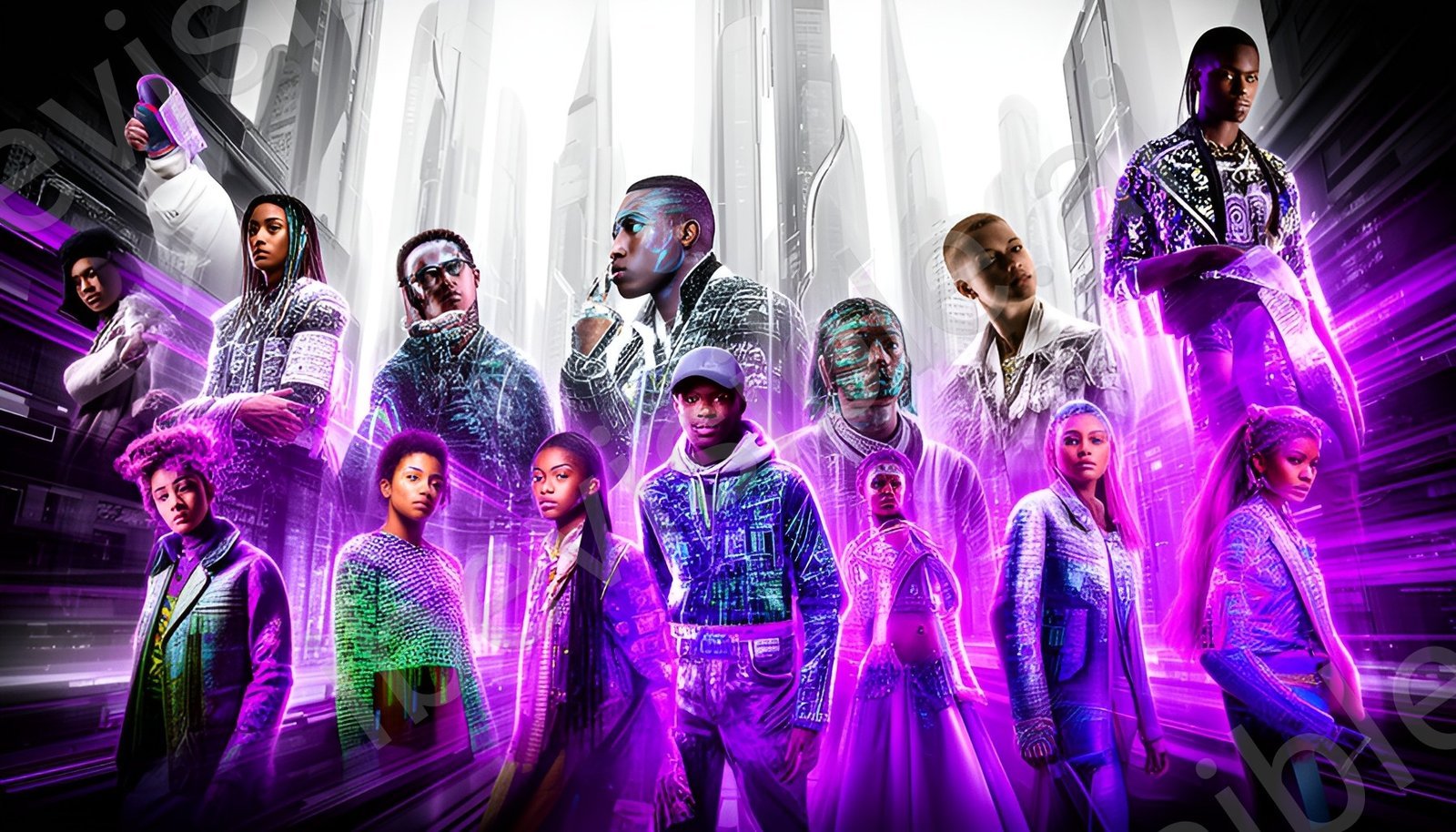
As we edge closer to 2026, the fashion landscape is undergoing a transformative shift driven by Generation Z. This cohort, characterized by its unique blend of tech-savvy enthusiasm and strong ethical stances, is poised to shape the trends that will dominate in the coming years. Why Gen Z fashion will shape 2026’s trends revolves around their penchant for self-expression, digital innovation, and sustainability.
The seismic influence of Gen Z on fashion trends cannot be overstated. As they continue to mature and enter new life stages, their evolving needs and values are set to redefine the industry. This article explores the key factors driving this change and how brands can align with the emerging trends to remain relevant.
The Power of Digital Innovation
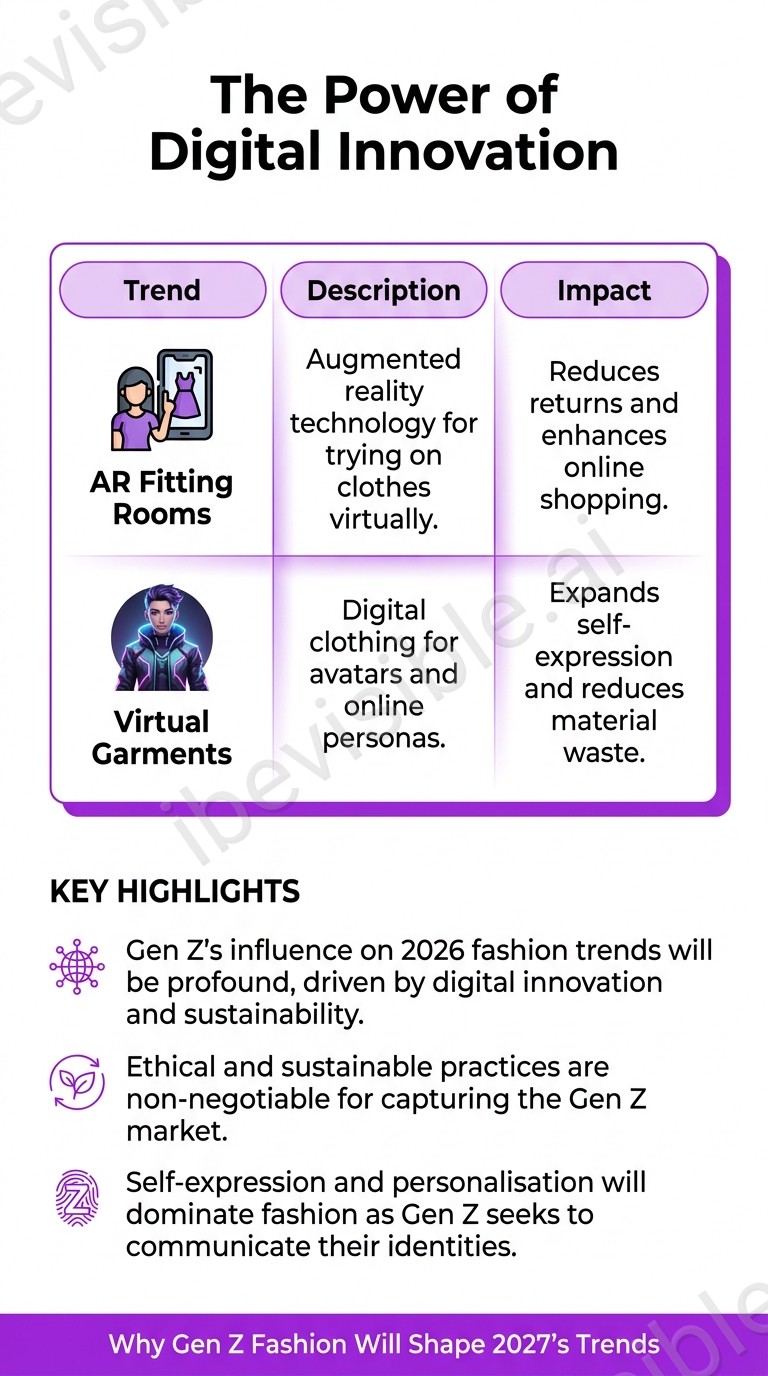
In an era where technology is interwoven with daily life, Gen Z leads the charge in integrating digital innovations into fashion. This generation has grown up with the internet at their fingertips, making them natural pioneers in the realm of digital fashion. By 2026, the influence of digital tools will be pivotal in shaping fashion trends, with augmented reality (AR) fitting rooms and virtual garments becoming mainstream.
Digital platforms such as Instagram and TikTok already play significant roles in fashion discovery and purchasing decisions. However, by 2026, these platforms are expected to evolve into comprehensive shopping hubs, leveraging AI to provide tailored fashion recommendations. With the decline of traditional retail channels, digital innovation will serve as a key differentiator for brands looking to capture the Gen Z market.
Trend | Description | Impact |
|---|---|---|
AR Fitting Rooms | Augmented reality technology for trying on clothes virtually. | Reduces returns and enhances online shopping. |
Virtual Garments | Digital clothing for avatars and online personas. | Expands self-expression and reduces material waste. |
Sustainability as a Core Principle
Gen Z’s commitment to sustainability is reshaping the fashion industry. As environmentally conscious consumers, they are demanding transparency and responsibility from brands. By 2026, the integration of sustainable practices and materials will be a necessity rather than an option for fashion companies.
Digital Product Passports (DPPs), which provide detailed information about the production and lifecycle of garments, are becoming increasingly crucial. These will empower consumers to make informed purchasing decisions and will drive the trend towards ‘pre-loved’ luxury markets, where items are valued for their history and durability rather than their newness.
Moreover, the shift towards bio-fabrication and tech-wear will further emphasize Gen Z’s preference for eco-friendly fashion. Lab-grown textiles not only offer innovative design opportunities but also address the growing demand for environmentally sustainable products.
Expert Perspective
Fashion Trends Analyst
As we approach 2026, the fashion industry must recognize the seismic shifts driven by Gen Z’s digital and ethical paradigms. By aligning with these values, brands can not only stay relevant but also thrive in an increasingly competitive market.
Self-Expression Through Fashion
For Gen Z, fashion is a powerful tool for self-expression. This generation values individuality and often uses style to communicate personal identity and social messages. By 2026, trends will reflect a blend of bold experimentation and personalisation, with garments designed to tell stories and convey unique narratives.
The rise of niche fashion communities on platforms like Discord and Geneva highlights the decentralization of trend cycles. These gated communities allow for more intimate and meaningful exchanges of ideas and styles, moving away from the broad and homogenized trends that have characterized previous decades.
As Gen Z enters their 30s, there will be a noticeable shift towards more sophisticated yet subversive aesthetics. This evolution will reflect their mature tastes while retaining the vibrant spirit of youth, ensuring that self-expression remains at the heart of fashion trends.
#GenZFashion #SustainableStyle #DigitalInnovation
The Ethical Fashion Movement
Ethical considerations are at the forefront of Gen Z’s shopping habits. This generation scrutinizes brand practices more than any other, pushing for fair trade, ethical sourcing, and humane working conditions. By 2026, companies that fail to prioritize these values risk alienating this critical consumer base.
This ethical shift also influences trend creation, as Gen Z demands products that align with their values. Fashion brands are encouraged to transparently communicate their ethical practices and engage with consumers on these issues to build trust and loyalty.
Anticipating Future Trends
Looking towards 2026, fashion brands must anticipate the continued evolution of Gen Z preferences. As this generation grows older, their purchasing power and influence will only increase. It’s essential for brands to stay ahead by embracing digital transformation, sustainability, and ethical practices.
By capitalizing on Gen Z’s penchant for unique self-expression and ethical consumption, companies can not only capture their attention but also foster long-term loyalty. The fashion industry stands at a crossroads, where the ability to innovate and adapt will determine success in the rapidly changing landscape.
Frequently Asked Questions
Gen Z is shaping 2026 fashion trends through their focus on digital innovation, sustainability, and self-expression. They demand transparency and ethical practices from brands.
Digital innovation allows for personalisation and enhanced shopping experiences. AR fitting rooms and virtual garments are expected to become mainstream by 2026.
Sustainability aligns with Gen Z’s values of environmental responsibility. They favour brands that offer transparency about their eco-friendly practices and materials.
For 2026, expect trends like AR fitting rooms, virtual garments, and bio-fabrication. Self-expression and ethical practices will remain central to Gen Z’s fashion preferences.
Brands should embrace digital transformation and sustainability, engaging with Gen Z’s values of self-expression and ethical consumption to build loyalty and relevance.