
Energy consumption has long been a central discussion in building design, industrial systems, and home management. Today, technology is transforming the way we use electricity.
Modern electrical technology is not just about new gadgets—it’s about smarter systems that make energy use more efficient, cost-effective, and environmentally responsible.
From smart thermostats and connected HVAC systems to high-efficiency power strips and advanced ventilation equipment, the innovations are shaping a more sustainable energy future.
This article explores how cutting-edge electrical solutions are changing energy use for the better, reducing waste and boosting performance across residential, commercial, and industrial spaces.
Whether you’re a homeowner, a facilities manager, or simply curious about smarter energy use, understanding modern electrical technology can help you make better decisions.
Smart Systems That Reduce Waste
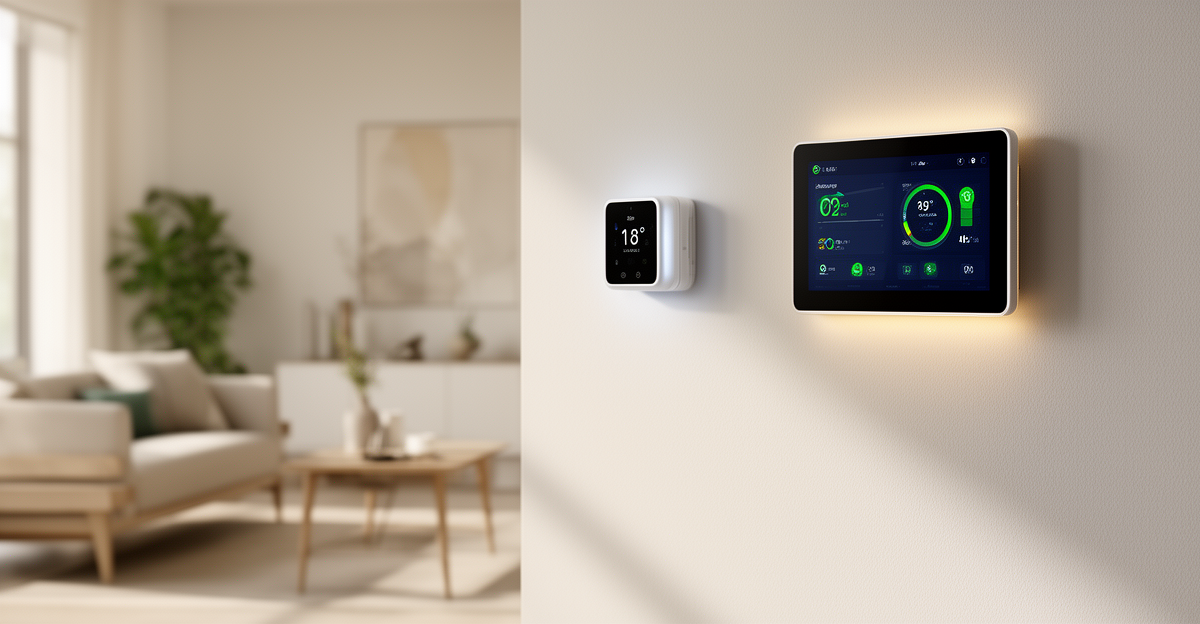
One of the biggest game changers in modern electrical technology is smart energy systems. These tools monitor, analyze, and adjust energy usage in real-time based on occupancy, weather, and time-of-day patterns.
Smart thermostats and zoning systems, for example, can drastically cut heating and cooling costs. In some regions, upgrades may even qualify for a furnace energy rebate or an energy efficient furnace rebate, such as those available in Alberta.
- Smart thermostats that adapt to user schedules
- Energy air CT systems that track and optimize airflow
- Connected HVAC systems that adjust automatically
- Programmable schedules that cut peak energy use
High-Efficiency Ventilation and Heating
Modern HVAC systems go beyond temperature control—they also optimize air quality and energy use. Devices like Energy Recovery Ventilators (ERVs) are increasingly popular in green building strategies.
Proper energy recovery ventilator maintenance is crucial for performance, ensuring that stale indoor air is replaced efficiently without wasting heating or cooling energy.
- ERVs reduce energy loss in ventilated spaces
- Technical settings such as the ventilator schedule matter
- Energy star BTU chart helps size equipment accurately
- Rebates available for qualified heating systems
Smarter Home Electrical Devices
Everyday electrical gadgets are being reimagined for energy savings. Energy-efficient devices—from refrigerators to lighting—are now designed to consume significantly less power.
Smart power strips, for instance, cut phantom load—the energy drawn by idle electronics—without disrupting convenience.
- Smart power strips provide measurable energy savings
- Devices reduce standby energy consumption automatically
- Green energy AC remote symbols help users optimize operation
- Appliances with Energy Star ratings are built for efficiency
Understanding Energy Use with Better Data
Knowing how much energy each device or system consumes is essential for improving efficiency. New digital tools make this easier than ever.
From circuit-level monitoring to mobile-enabled dashboards, detailed data insights allow users to identify problem areas and take targeted action.
- App-integrated energy monitors show real-time usage
- Data reveals trends and opportunities to reduce overhead
- Understanding what is electrical energy efficiency fosters smarter habits
- Energy-efficient devices often come with usage tracking features
Home Heating Alternatives and Upgrades
Modern pellet stoves, like those from American Energy Systems, offer efficient, low-emission heating—particularly useful in colder climates where heating loads dominate energy use.
Combining these systems with energy-efficient electrical technologies can reduce total consumption and make households eligible for rebates on upgrades or clean heating installs.
- American Energy Systems pellet stoves offer high efficiency
- Rebates and credits may apply to heating system upgrades
- Working with local utilities can uncover rebate programs
- Combining heat sources with smart controls improves outcomes
Frequently Asked Questions
It refers to the use of smart, efficient, and connected devices that improve how we generate, control, and use electrical energy.
Yes. When used correctly, smart thermostats can significantly reduce heating and cooling costs by adapting to your schedule and preferences.
An ERV saves energy by reclaiming heat or coolness from exhausted air and transferring it to incoming fresh air.
They automatically cut power to devices that aren’t in use, preventing unnecessary energy draw.
Yes. Programs like the energy efficient furnace rebate in Alberta offer incentives to replace old systems with more efficient models.
It means using less electrical energy to perform the same task, reducing waste and cost.
Home energy monitors or apps connected to smart devices can show your usage in real-time and help identify savings opportunities.