
In 2026, ensuring the electrical safety of your Ballarat home is more important than ever. From aging wiring to growing reliance on smart appliances, potential electrical hazards are becoming more complex—and potentially more dangerous.
Electrical issues don’t just pose the risk of property damage. They can lead to serious health hazards, including electrical shocks, fires, and in extreme cases, fatalities. Whether you’re a homeowner, landlord, or tenant, paying attention to routine electrical checks is not optional; it’s a necessity.
Many of these issues are avoidable with regular inspections and adherence to established safety standards. Understanding what to check—and why—can help prevent problems before they start.
This guide outlines the essential electrical safety checks every household in Ballarat should consider in 2026, with a focus on regulations, compliance testing, and practical advice.
Let’s dive into what you need to know to keep your home safe, compliant, and prepared for the year ahead.
1. Routine Safety Inspections by Licensed Electricians
Regular inspections are the backbone of home electrical safety. In Ballarat, engaging a licensed electrician annually—or at least every few years—is a proactive step that can save lives. These professionals can detect hidden faults that homeowners might easily miss.
Electrical safety compliance testing during these inspections ensures key components like switches, outlets, and circuit breakers work properly and meet required safety standards. It also helps in identifying systems that may no longer comply with updated regulations.
- Schedule inspections every 1–3 years
- Prioritise licensed and qualified professionals
- Request compliance testing documentation
- Check appliance connection points for wear
2. Switchboard and Circuit Breaker Checks
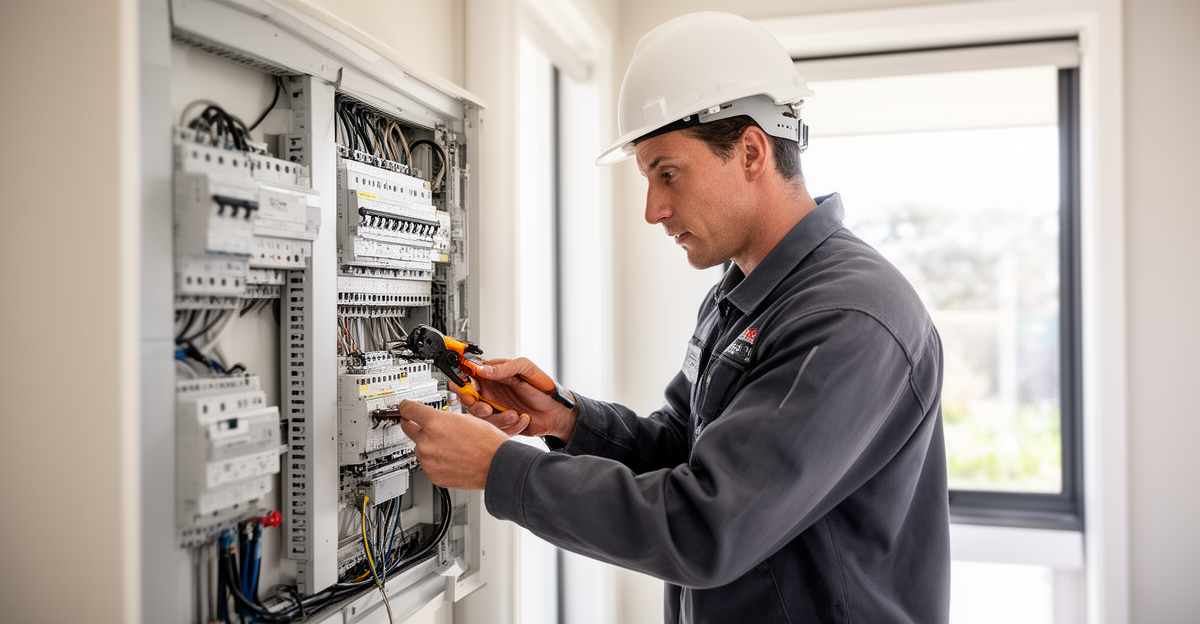
Your switchboard is the control hub of your home’s electrical system. If it’s outdated or improperly labeled, your home could be at significant risk. Overloaded or faulty circuit breakers are also leading causes of electrical fires.
Follow modern electrical panel safety guidelines by ensuring your switchboard includes working RCDs (residual current devices) and is suitable for the current power load in your household.
- Ensure circuit breakers trip when tested
- Install RCD protection on all live circuits
- Upgrade old switchboards if over 20 years old
- Label all breakers clearly for emergencies
3. Home Wiring and Outlet Condition
Over time, wiring in older Ballarat homes can degrade, become brittle, or suffer from rodent damage. This is one of the most overlooked yet critical checks in ensuring electrical safety at home.
Outlets that spark, feel warm to the touch, or don’t hold plugs securely are signs of underlying problems. All wiring and outlets must comply with the latest safety standards, including the Electrical Safety Installations Regulations 2010.
- Inspect visible wiring for wear or damage
- Test outlet integrity regularly
- Replace any discolored or hot-to-touch outlets
- Upgrade non-compliant fittings
4. Check for Safety Switch Functionality
Safety switches (also known as RCDs) protect you from electric shock by cutting power instantly in the event of a fault. Unfortunately, many homes either lack them entirely or have switches that haven’t been tested in years.
Understanding how a safety switch works is essential, but proper performance must be verified through regular manual testing or during professional assessments.
- Press the test button every 3 months
- Replace faulty safety switches immediately
- Install RCDs on all power circuits, not just wet areas
- Ensure each circuit has its own safety switch
5. Staying Compliant in 2026 and Beyond
Why electrical safety is important isn’t just about the risk of injury; it’s also a legal and insurance issue. Homeowners and landlords must adhere to current local and national regulations to remain compliant and insured.
As the regulatory landscape evolves, especially with smart home integrations and rising electrical demand, staying informed is your best defense.
- Keep records of all inspections
- Follow updates to local and national codes
- Verify electricians provide certificates of compliance
- Review landlord obligations for tenant safety
6. Practical Tips for Everyday Electrical Safety at Home
Aside from major inspections, practicing good electrical habits daily can significantly reduce household risk. Many electrical fires start with overloaded power strips or neglected appliance cords.
These simple yet effective tips for electrical safety at home serve as your first line of defense between inspections and emergencies.
- Unplug small appliances when not in use
- Avoid daisy-chaining power boards
- Keep cords tidy and away from heat sources
- Use child-safe outlet covers if needed
Frequently Asked Questions
At least every three years, though older homes may require annual checks.
Flickering lights, burning smells, discolored outlets, or frequent breaker trips.
Yes, especially for new constructions or renovated properties, but older homes should have them retrofitted for safety.
It is testing done by professionals to ensure all electrical components meet current safety regulations.
Landlords must conduct regular inspections and ensure safety switches are installed and functioning as per regulations.
Yes, use the ‘test’ button every 3 months to verify it quickly cuts power.
Modern homes have more devices and higher power usage, increasing the risk of faults and overloading.