
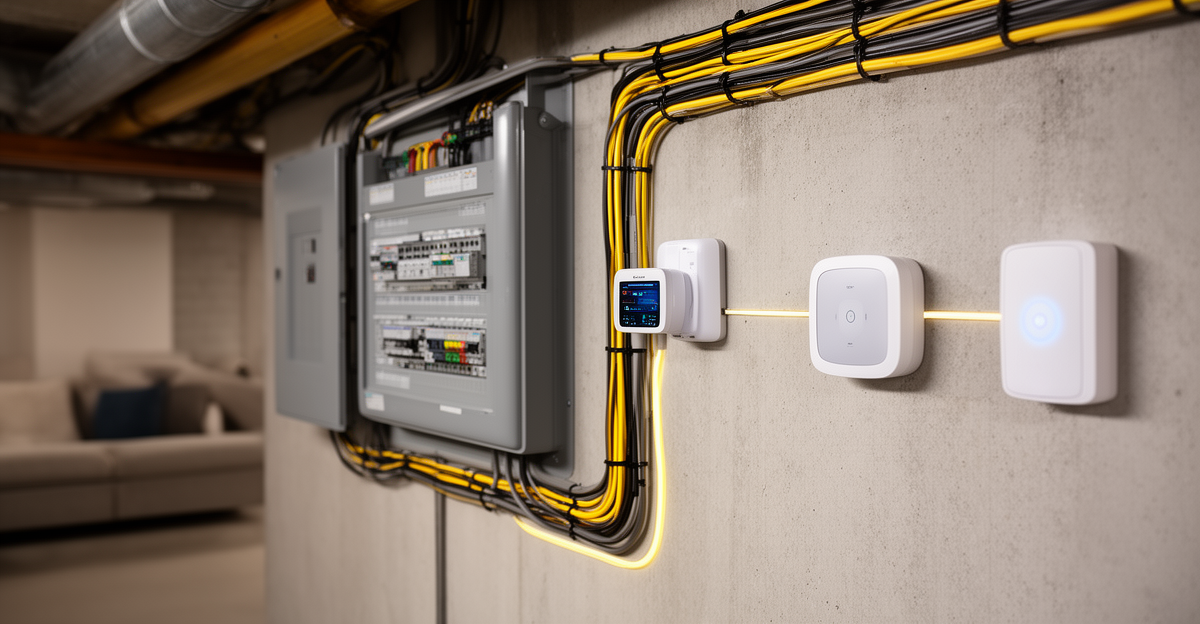
When most people think of electrical work, they usually picture high-powered systems like large appliances or industrial wiring. But there’s another category that’s just as important—low voltage electrical work.
Low voltage systems are everywhere: from your doorbell to your Wi-Fi router, and even your home security system. This type of electrical work focuses on powering devices and systems that require much less electricity than standard circuits.
Understanding what is considered low voltage electrical work can help homeowners, aspiring electricians, and builders know when to call a specialist and what kind of tools or knowledge are necessary.
This article will walk you through what qualifies as low voltage work, common systems that use it, how it’s different from standard electrical jobs, and what you should know before tackling it yourself or hiring a professional.
What Is Low Voltage Electrical Work?
Low voltage electrical work involves systems operating at 50 volts (V) or less. These systems don’t carry the kind of electrical current that powers outlets or high-voltage appliances. Instead, they’re designed for communication, security, and control functions.
Because they pose a lower risk of electrical shock or fire, low voltage systems are often installed with different techniques and safety measures than standard wiring.
- Common low voltage levels: 12V, 24V, 48V
- Used in both residential and commercial settings
- Often governed by different electrical codes
Examples of Low Voltage Applications
Low voltage systems run a wide variety of modern home and office technologies. They support everything from entertainment systems to safety and automation setups.
These systems often require specialized knowledge despite their lower voltage. Efficiently installing or troubleshooting them still calls for an understanding of circuits, components, and cable management.
- Home security systems
- Wi-Fi routers and modems
- Thermostats and smart home controls
- Doorbells (standard and video-enabled)
- CCTV and surveillance systems
- Landscape lighting
- Audio/visual setups
How It Differs From High Voltage Work
While high voltage work involves circuits typically at 120V or more, low voltage systems work on a different scale entirely. The difference isn’t just in power—it’s in how systems are installed, maintained, and regulated.
In fact, not all electricians handle low voltage tasks. Some specialize only in high voltage systems, while others are trained across both areas.
- Low voltage wiring is often thinner and more flexible
- Requires different tools and connectors
- Usually runs alongside standard wiring without interference
- May not require the same licensing in some jurisdictions—always check locally
Essential Tools and Knowledge for Low Voltage Work
Working with low voltage systems still demands the right tools and foundational electrical knowledge. It’s important to understand signal interference, grounding, and correct cable types.
A properly equipped electrician kit should include tools suited for careful wire placement, testing, and maintenance of low voltage devices.
- Multimeter for voltage testing
- Wire strippers and crimpers
- Labeling tools for cable management
- Cable testers and circuit tracers
- Compact screwdrivers and pliers
When to Call a Low Voltage Electrician
You may be tempted to DIY your low voltage installations, but there are times when a licensed expert is your safest and smartest option—especially for complex setups like home automation, security systems, or networking infrastructure.
Many professional services offer a free estimate electrician appointment so you can understand project scope and costs upfront. Some also work as 24 hour electricians in case of emergencies with systems like security alarms.
- When dealing with unfamiliar devices or systems
- If you’re experiencing signal loss or device failure
- For upgrades involving in-wall wiring
- To ensure code compliance and warranty protection
Low Voltage Work in the Wider Electrical Trade
Within the trade, different roles often handle specific types of electrical work. Understanding roles like inside wireman vs residential wireman can help clarify who you need for your project.
Low voltage electricians often learn as part of a broader path toward mastering basic electrical knowledge before specializing. As demand grows for smart homes and networked technologies, this skillset is more relevant than ever.
- Inside wiremen: Handle commercial and building interior wiring
- Residential wiremen: Work on home electrical systems, both high and low voltage
- Low voltage specialists: Focus solely on systems under 50V
Frequently Asked Questions
Anything at or below 50 volts is generally considered low voltage in electrical work.
Yes, in many cases. But professional installation is safer and ensures proper functioning for complex or large setups.
Often yes—especially for in-wall wiring, troubleshooting, or upgrade projects where code compliance matters.
Basic tools include a multimeter, wire stripper, label maker, and cable tester. A dedicated electrician kit helps streamline the work.
Yes, though the requirements may differ from high voltage installations. Always check local rules before starting a project.
Popular electrical upgrades include smart thermostats, camera systems, and landscape lighting.
An electrical LB is a type of conduit body used to access low voltage or high voltage wiring junction points, especially at tight corners.