
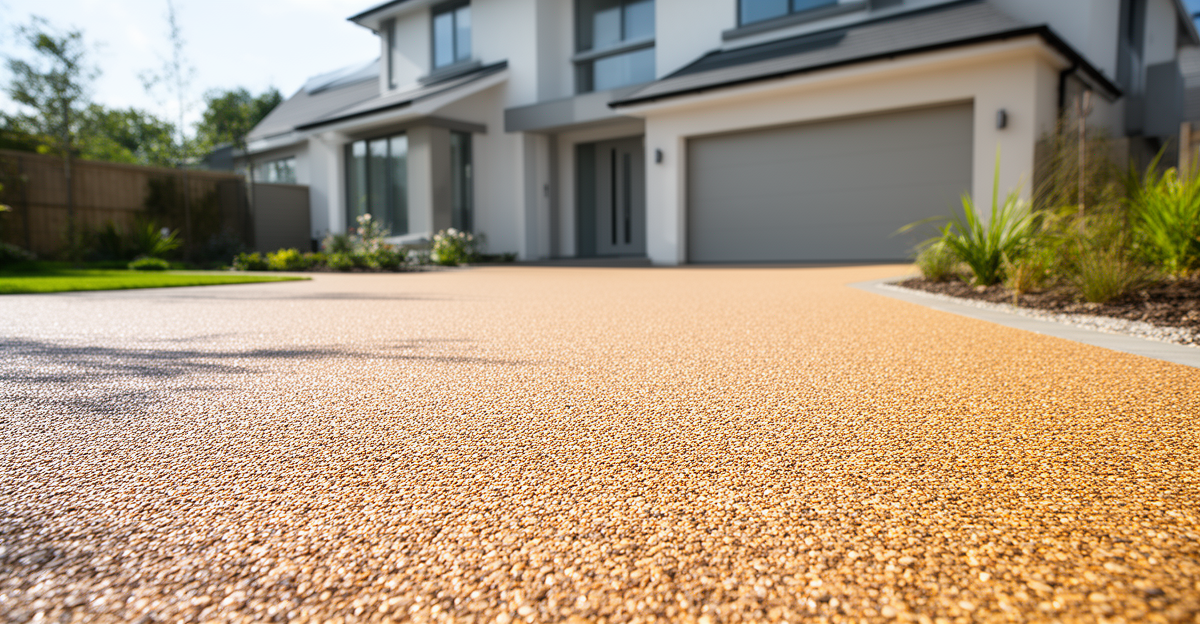
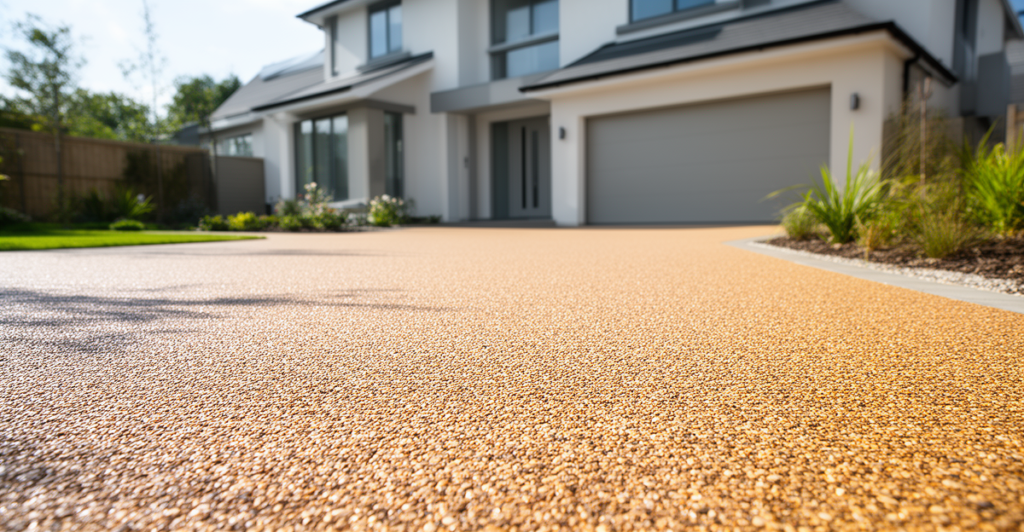
Improving the appearance and functionality of your driveway isn’t just about curb appeal—it’s a smart investment in your property’s value, accessibility, and sustainability. As homeowners and property developers look for durable and attractive surfacing solutions, one option is emerging as a firm favorite: the resin bound driveway.
Resin bound surfacing blends natural gravel with a strong resin binder, creating a smooth, seamless, and visually striking finish. It’s both practical and stylish, appealing to those who want to boost property aesthetics while maintaining functionality.
Beyond the looks, a resin bound driveway offers several environmental and practical benefits, especially for properties requiring better accessibility or drainage. Whether you’re starting a new installation or upgrading an existing surface, resin bound systems provide long-term value with minimal upkeep.
This article explores why resin bound driveways are an excellent choice for modern homes, what to expect in performance, and how they support sustainability goals. Let’s take a closer look.
What Is a Resin Bound Driveway?
A resin bound driveway is a type of surfacing where aggregate stones are thoroughly mixed with a clear resin and then laid over a prepared surface. The result is a smooth, stone-effect finish with no loose gravel and very low maintenance requirements.
This method differs from resin bonded surfaces, in which the stones are sprinkled on top of resin rather than mixed in. The resin bound approach creates a more durable and visually consistent surface.
- Combines decorative aggregates with resin in a single mix
- Creates a smooth, textured stone surface
- Resists cracking, weed growth, and displacement
- Typically laid over concrete or tarmac bases
Resin Bound Driveways and Property Value
A well-installed resin bound driveway can enhance the overall look of your property, making a strong first impression on visitors and potential buyers. With its range of colors and finishes, this surface complements both traditional and contemporary building styles.
More importantly, the added convenience, durability, and low upkeep can directly contribute to perceived property value.
- Boosts visual appeal and curb presence
- Creates a premium exterior landscape without excessive cost
- Requires little maintenance—no pressure washing or re-graveling
- Long-term durability reduces repair concerns for future owners
Improving Accessibility and Functionality
One often overlooked benefit of a resin bound system is its accessibility. The smooth, flat surface is ideal for wheelchair users, strollers, and visitors with limited mobility. Unlike loose gravel, there’s no shifting or skidding, making daily use safer and more convenient.
Larger entrance areas can also be seamlessly covered without disturbing the overall aesthetic, making pathways, ramps, and wide driveways easier to navigate for everyone.
- Perfectly level surface with no loose stones
- Supports wheelchair and buggy access comfortably
- Customizable for large or unusually shaped entrances
- Better traction in wet weather compared to smooth concrete or tarmac
Environmental Advantages of Resin Bound Surfaces
Resin bound driveways don’t just look good—they also help manage rainwater and reduce run-off thanks to their porous nature. This makes them an eco-conscious choice, especially in areas prone to waterlogging or flash flooding.
Used in combination with sustainable base layers and recycled aggregates, resin bound surfaces align well with modern green building standards.
- Permeable structure allows natural drainage (is resin bound porous)
- Complies with many local Sustainable Drainage Systems (SuDS) guidelines
- Minimizes surface water pooling and flooding
- Can include recycled or locally-sourced aggregates
Understanding the Pros and Cons of Resin Bound Installations
Like any construction material, resin bound systems have their advantages and potential drawbacks. Knowing both sides helps homeowners make a confident, informed decision.
The pros often outweigh the drawbacks, but understanding where limitations exist—such as curing conditions and surface preparation—is key to long-term satisfaction.
- Pros: Attractive finish, low maintenance, permeability (resin bound gravel pros and cons)
- Pros: Long lifespan, accessible surface, fast installation
- Cons: Requires professional installation and good weather for curing
- Cons: Can be more costly upfront than traditional gravel or asphalt
Resin Over Existing Surfaces: Can You Lay Resin Over Tarmac or Concrete?
If your property already has a stable tarmac or concrete base, you can often install a resin bound layer directly on top. This makes it a practical upgrade without the need for complete excavation.
However, the base must be structurally sound and free from major cracks. Surface preparation is usually needed to ensure proper adhesion and long-term performance.
- Reduces waste by reusing existing foundations (resin over tarmac)
- Speeds up project timelines and lowers labor costs
- Requires clean, stable surfaces for best results
- May need a primer or base repair before application
Frequently Asked Questions
No, resin bound surfaces are designed to provide good grip even when wet. Anti-slip materials can be added for extra traction.
With proper installation and care, it can last 15 to 25 years or more.
DIY installation is not recommended. The resin sets quickly and requires precise mixing and leveling for best results.
Because it’s porous, water drains through the surface naturally. However, a proper base and drainage layer are still important.
Yes. You can choose from a wide range of colors and aggregate blends to match your home’s style.
Cracking is rare when installed correctly on a stable base. Flexibility in the resin helps absorb movement.
It can be laid over tarmac and concrete, provided the base is in good condition and prepared properly.