
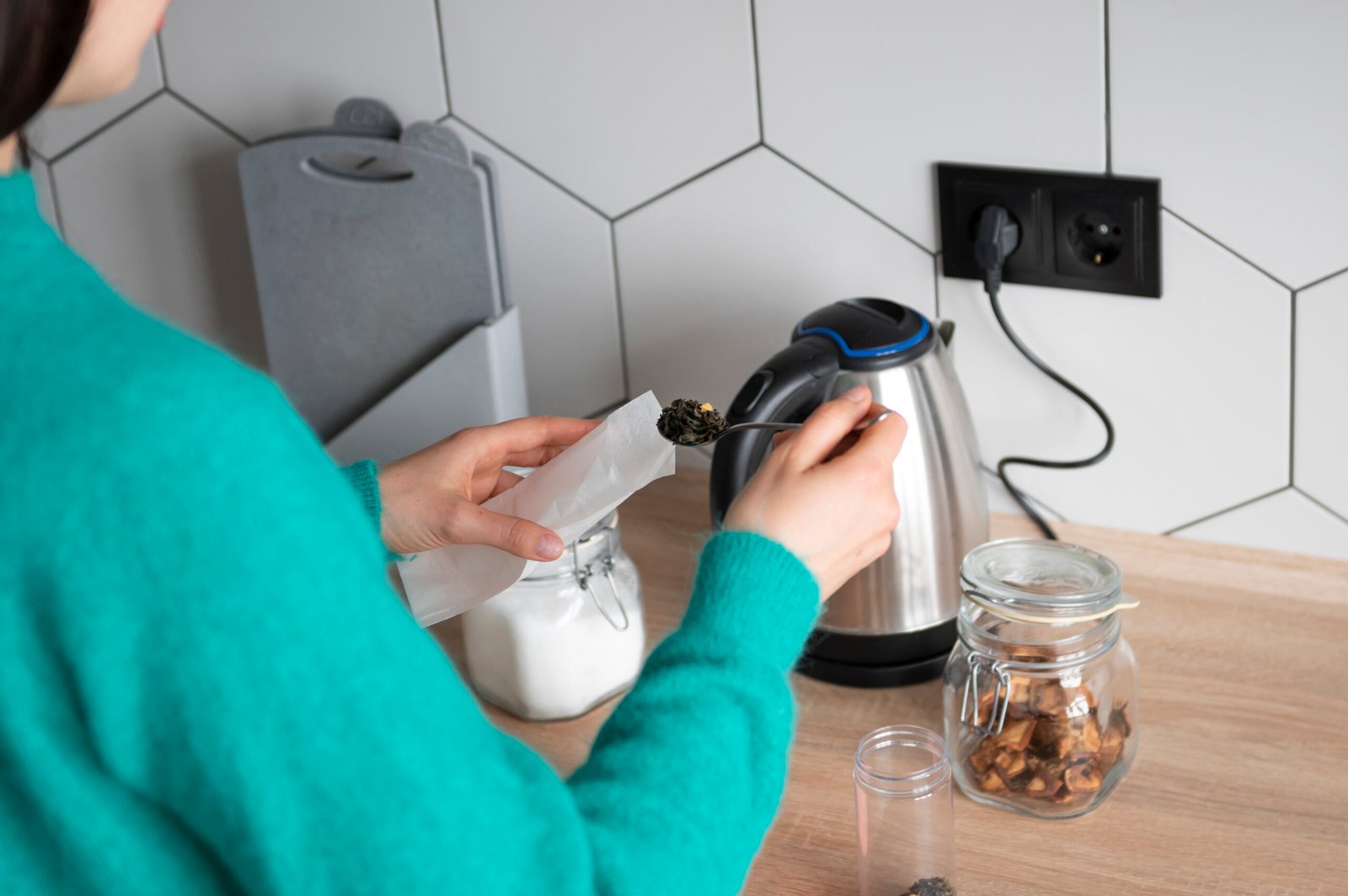
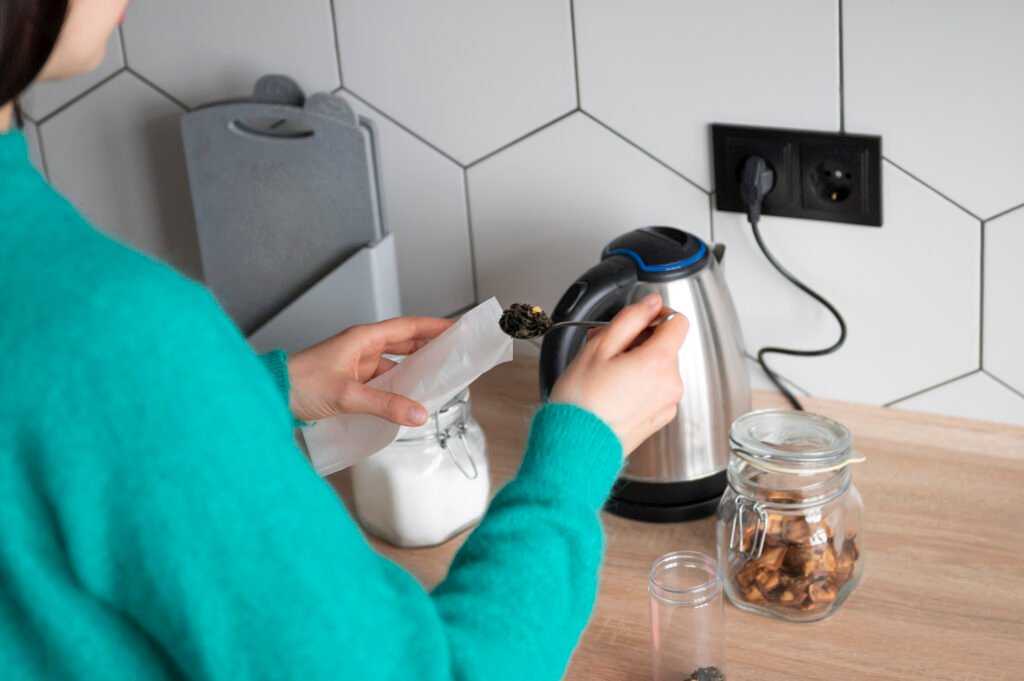
Tea is one of the most widely enjoyed beverages in the world, loved for its comfort and its range of flavors. Whether you prefer black, green, herbal, or oolong, making tea properly can turn an ordinary drink into a satisfying ritual.
The secret to a great cup isn’t just in the leaves—it’s in how you prepare them. Different types of tea require different techniques, and small changes in timing or temperature can make a big difference in flavor.
In this guide, you’ll learn how to make the best tea step by step, using simple methods that bring out the full aroma and taste of your chosen blend. Whether you’re new to tea or looking to improve your brewing skills, this will help you enjoy a more authentic tea experience.
Let’s break down the essentials of tea-making so you can sip with confidence and satisfaction every time.
1. Start With Good Quality Tea
The foundation of excellent tea is the leaves themselves. Whether you’re using loose leaf or tea bags, quality matters. Loose leaf tea often delivers a fuller flavor and richer aroma because it contains larger, less processed leaves.
Choose your tea based on your taste preferences—black tea for robust flavor, green tea for something lighter and grassy, or herbal infusions for caffeine-free options.
- Use loose leaf tea for better flavor and aroma
- Buy from a reputable source or specialty shop
- Store tea in an airtight container away from light and moisture
- Use fresh tea, ideally within 6 months of opening
2. Use Fresh, Filtered Water
Water is the main ingredient in tea, so its quality directly affects the final taste. Tap water with chlorine or other impurities can dull the flavor, while distilled water may taste flat.
Filtered or spring water is ideal. Always use cold water and bring it to a boil or the appropriate temperature just before brewing.
- Use cold filtered or spring water
- Avoid distilled or reheated water
- Boil just enough water for the tea you’re making
3. Pay Attention to Water Temperature
Different teas brew best at different temperatures. Boiling water is perfect for black or herbal teas, but it’s too hot for green or white teas, which can turn bitter if overheated.
Using the right water temperature helps protect delicate tea leaves and enhances their flavor.
- Black/Herbal teas: ~100°C (212°F)
- Green tea: ~75–85°C (167–185°F)
- White tea: ~70–80°C (158–176°F)
- Oolong tea: ~85–95°C (185–203°F)
4. Steep for the Right Amount of Time
Steeping time is crucial. Too short, and your tea may taste weak. Too long, and it could become overly strong or bitter.
Always follow the recommended time for the tea you’re using, and use a timer so you don’t lose track.
- Black tea: 3–5 minutes
- Green tea: 2–3 minutes
- Herbal infusions: 5–7 minutes
- Oolong tea: 3–5 minutes
5. Measure Properly and Use the Right Tools
Measuring your tea and using the right tools makes a big impact. A proper teapot, tea infuser, or strainer helps create an even infusion and more balanced cup.
As a rule of thumb, use 1 teaspoon of loose leaf tea per cup, but adjust to suit your flavor preference.
- Use 1 teaspoon of tea per 8-ounce cup
- Choose a teapot made of ceramic or glass for even heat distribution
- Use a mesh infuser or basket for loose tea
- Avoid overfilling the pot or infuser
6. Customize Your Cup (Optional Steps)
Once you’ve mastered the brewing basics, feel free to personalize your tea. Some people enjoy a dash of milk in black tea, honey in herbal blends, or lemon in green tea.
Just remember: the additions should complement the tea, not hide it.
- Add lemon, honey, or mint for light flavor boosts
- Pair milk with strong black teas like Assam or English Breakfast
- Try spices like ginger or cinnamon with chai
- Avoid sugar overload—it masks natural flavors
Frequently Asked Questions
Fresh filtered or spring water is best. Avoid distilled or heavily treated tap water.
Loose leaf tea offers more flavor and aroma, but high-quality tea bags can also be convenient and flavorful.
Some teas, like oolong or green, can be steeped a second time. The taste may change slightly but still be enjoyable.
Use lower water temperatures (75–85°C) and steep for no longer than 2–3 minutes.
Not necessarily, but using a clean, non-metal teapot or infuser can enhance flavor and prevent aftertastes.
Generally, use 1 teaspoon of tea per 1 cup (8 oz) of water. Adjust to taste.
It’s better to use a kettle or heat water on the stove to control temperature more accurately.
Next Steps
undefined