
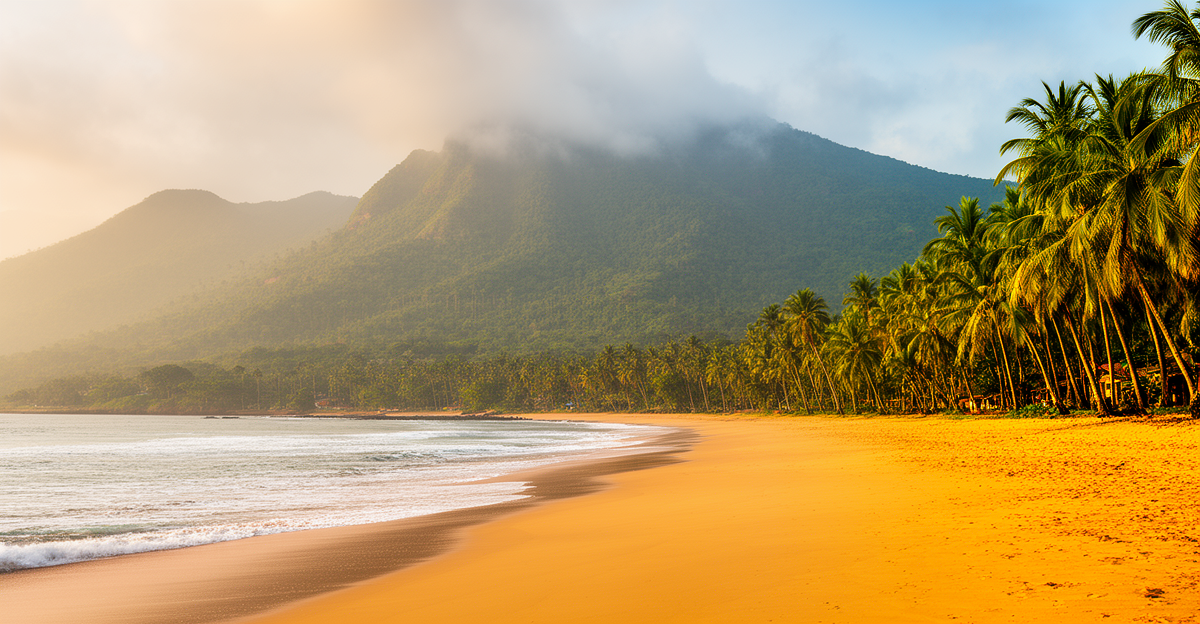
Sri Lanka, the teardrop-shaped island in the Indian Ocean, is a paradise waiting to be explored. With its stunning beaches, lush mountains, rich cultural heritage, and welcoming locals, it offers something for every type of traveler.
Over the past few years, many have asked: “Sri Lanka — is it safe to travel?” The short answer is yes. While the country has faced political and economic challenges, the situation has significantly stabilized. Today, Sri Lanka is open, welcoming, and ready for tourists. However, it’s always wise to check official travel advice before planning your visit.
From wildlife safaris to ancient temples, tropical coastlines to cool hill country retreats, Sri Lanka delivers a wide variety of experiences. In this article, we’ll guide you through the best places to travel in Sri Lanka and how to make the most of your journey.
1. Sigiriya: The Lion Rock Fortress
One of the most iconic landmarks in Sri Lanka, Sigiriya is a UNESCO World Heritage site and a true architectural marvel. The rock fortress rises dramatically from the central plains and is surrounded by beautiful gardens, moats, and ancient frescoes.
Climbing to the top offers panoramic views and a glimpse into the island’s royal past. This is a must-visit for history buffs and outdoor adventurers alike.
- UNESCO World Heritage site
- Frescoes dating back to the 5th century
- Amazing sunrise and sunset views
- Easy to reach from Dambulla or Habarana
2. Ella: A Hill Country Gem
If you’re looking for cool weather, rolling green hills, and a laid-back vibe, Ella should be on your list. This charming hill town is surrounded by tea plantations and stunning hikes.
One of the most scenic train rides in the world connects Ella to Kandy or Nuwara Eliya, making the journey as magical as the destination itself.
- Little Adam’s Peak hike
- Ravana Falls
- Famous Nine Arches Bridge
- Ideal for backpackers and nature lovers
3. Galle: Colonial Charm by the Sea
Galle Fort is a beautifully preserved Dutch-era fort on the southwest coast. Its cobblestone streets, whitewashed buildings, and ocean views make it feel like a walk through history.
Filled with trendy cafes, boutique shops, and art galleries, Galle is perfect for travelers who enjoy culture, cuisine, and a slow pace.
- UNESCO World Heritage site
- Scenic coastal walks
- Excellent seafood restaurants
- Well-connected to nearby beach towns
4. Yala National Park: Wildlife Adventure
Yala is the most visited national park in Sri Lanka and is famous for its leopard population, among other wildlife. Safari tours give you a chance to spot elephants, sloth bears, crocodiles, and exotic birds.
For nature lovers and photographers, this destination offers a taste of untamed Sri Lanka.
- Best chances to see wild leopards
- Multiple safari routes available
- Can be visited year-round (avoid peak rainy season)
- Combine with a stay near Kirinda or Tissamaharama
5. Mirissa: Laid-back Beach Bliss
For those dreaming of palm-fringed beaches and turquoise waters, Mirissa is one of the best beach towns in the south. It’s ideal for swimming, sunbathing, and surfing.
From here, you can also go whale watching — one of the top experiences in the region.
- Great for surfers and beach lovers
- Whale watching tours available November to April
- Chilled nightlife and beachfront dining
- Close to Unawatuna and Weligama
6. Kandy: Spiritual and Scenic
Kandy, the cultural capital of Sri Lanka, is well known for the Temple of the Tooth, which houses a sacred relic of the Buddha. The town sits beside a tranquil lake, surrounded by hills and rainforests.
The annual Esala Perahera festival is a must-see if you’re visiting around July or August.
- Home to sacred Buddhist sites
- Beautiful botanic gardens in Peradeniya
- Central stop on the popular hill-country train ride
- Rich culture and royal history
Frequently Asked Questions
Yes, Sri Lanka is currently safe for tourists. However, always check your national travel advisory before visiting.
The best time depends on the region you’re visiting. For the south and west coasts, December to April is ideal. For the east coast, go from May to September.
Yes, transit through Sri Lanka is generally safe. Bandaranaike Airport is operational and services many international flights.
Most travelers need an Electronic Travel Authorization (ETA) before arrival. Check the official government website for the latest details.
The Sri Lankan Rupee (LKR) is the local currency. You’ll find ATMs in most towns and card payments in larger establishments.
Yes, trains and buses are available, though sometimes crowded. For comfort, consider hiring a private car or using ride-share apps where available.
Yes, English is commonly spoken in tourist areas, although Sinhala and Tamil are the official languages.