
More homeowners are making the switch to an all-electric home as energy efficiency becomes a top priority. Moving away from fossil fuels like gas or oil can lower your carbon footprint and simplify your energy bills at the same time.
Switching to all-electric living isn’t just flipping a switch – it involves understanding your current systems, upgrading appliances, and possibly even rethinking your home’s energy supply.
This guide outlines the key considerations and practical steps to help you transition smoothly. Whether you’re building a new house or retrofitting an existing home, there are important decisions to make along the way.
From choosing electric heating and cooking options to integrating renewable energy systems, this article walks you through everything you need to know before committing to a fully electric home.
Let’s explore the main reasons for switching, what upgrades are needed, and how to plan the transition in seven manageable steps.
1. Understand Why Go All-Electric
Before making the switch, it’s helpful to understand the benefits of an all-electric home. Many homeowners choose this path for environmental, financial, and safety reasons.
Electrifying your home reduces reliance on fossil fuels, potentially cuts long-term energy costs, and eliminates risks like gas leaks or carbon monoxide poisoning.
- Lower greenhouse gas emissions
- Opportunity to pair with renewable energy
- Simplified energy billing and usage monitoring
- Elimination of combustion-related indoor air pollutants
2. Assess Your Current Home Systems
A detailed energy audit can help you figure out what needs replacing and what can stay. Look at how your current HVAC, water heating, cooking, and laundry appliances use energy.
Older homes may require electrical panel upgrades or extra circuits to accommodate new electric appliances.
- Check your service panel capacity (preferably 200 amps for modern electric loads)
- Determine which appliances still run on gas or oil
- Document current insulation and window efficiency levels
- Look for any outdated wiring or electrical safety concerns
3. Replace Combustion Appliances with Electric Alternatives
This is the core step in home electrification: swapping gas- or oil-powered systems for efficient electric ones. There’s now a wide range of high-performance electric options for heating, hot water, and cooking.
Choose appliances that are ENERGY STAR rated where possible to ensure efficiency.
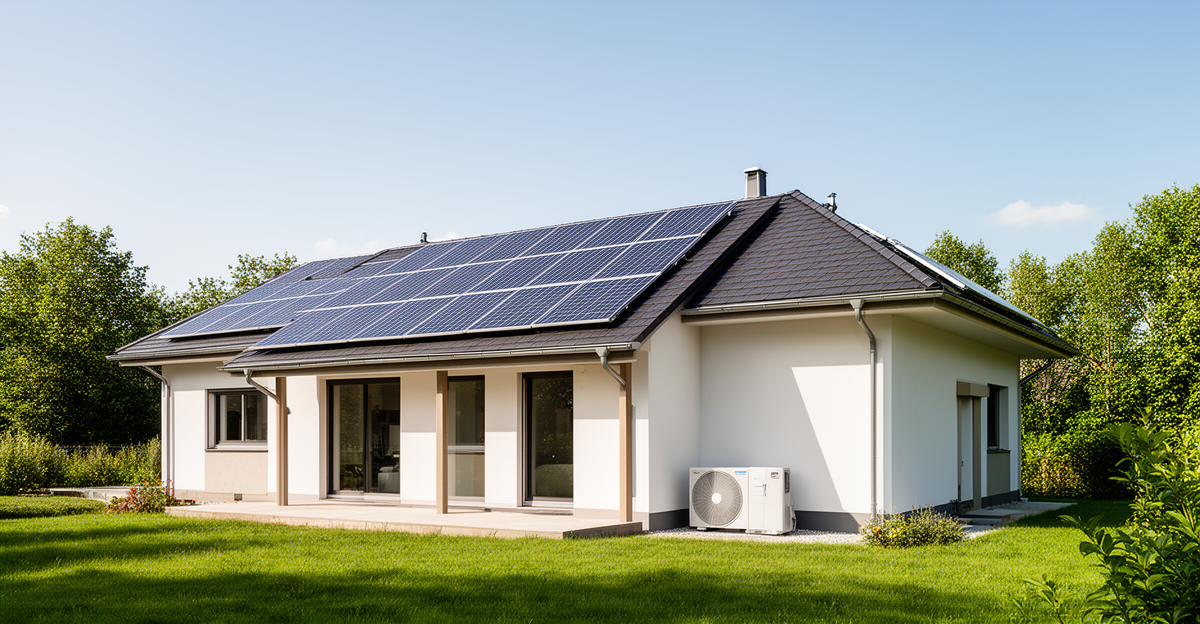
- Install a heat pump for heating and cooling
- Switch to a heat pump water heater
- Replace gas cooktops with induction or electric stoves
- Use electric dryers instead of gas-powered ones
4. Improve Your Home’s Energy Efficiency
Maximising insulation, sealing air leaks, and upgrading windows will reduce how much electricity your home needs. Better efficiency means smaller systems and lower energy bills.
Efficiency upgrades are often more cost-effective when done before or during system changes.
- Seal gaps in doors, windows, and attics
- Upgrade attic and wall insulation
- Install double- or triple-pane energy-efficient windows
- Improve ventilation with energy recovery systems
5. Explore Adding Renewable Energy
Adding renewable generation, like rooftop solar, enhances the benefits of going electric. When coupled with battery storage, it can significantly reduce your grid reliance.
In some regions, you can also benefit from incentives or net metering for feeding extra energy back to the grid.
- Install rooftop solar panels sized for your expected energy use
- Consider battery systems for backup and peak-hour usage
- Check available government incentives for renewable energy
- Evaluate your site’s solar potential using local resources
6. Plan Your Transition Timeline
Electrifying your home doesn’t have to be done all at once. Many people phase it in over time as existing appliances reach the end of their life.
Having a clear strategy helps avoid rushed decisions and maximises savings.
- Prioritise upgrades based on appliance age and efficiency
- Time replacements with renovation projects if possible
- Budget for major systems like HVAC and water heaters
- Plan for potential downtime during installation periods
7. Hire Qualified Professionals
Home electrification is a technical task that requires licensed electricians, HVAC contractors, and possibly energy consultants. Look for professionals with experience in all-electric homes.
Their advice can help you choose the right equipment, avoid installation errors, and meet local codes.
- Hire licensed electricians for panel upgrades and rewiring
- Choose certified HVAC professionals for heat pump installation
- Work with solar installers who offer maintenance packages
- Request multiple quotes and verify credentials
Frequently Asked Questions
An all-electric home runs entirely on electricity, including heating, cooling, cooking, and water heating, with no use of gas or oil.
It depends on your electricity rates and appliance efficiency. In many cases, newer electric systems are more efficient and can reduce total energy costs.
Typically, gas furnaces, water heaters, stoves, and dryers are replaced with electric or heat pump alternatives.
Yes, but adding solar can further reduce energy costs and improve environmental benefits.
Possibly. Many homes need a panel upgrade to handle higher electric loads from modern appliances and systems.
It depends on the size and condition of your home, but many upgrades can be phased in over months or years.
Some governments and utilities offer rebates and tax credits for installing electric appliances or renewable energy systems. Check with your local programs.
Next Steps
undefined