
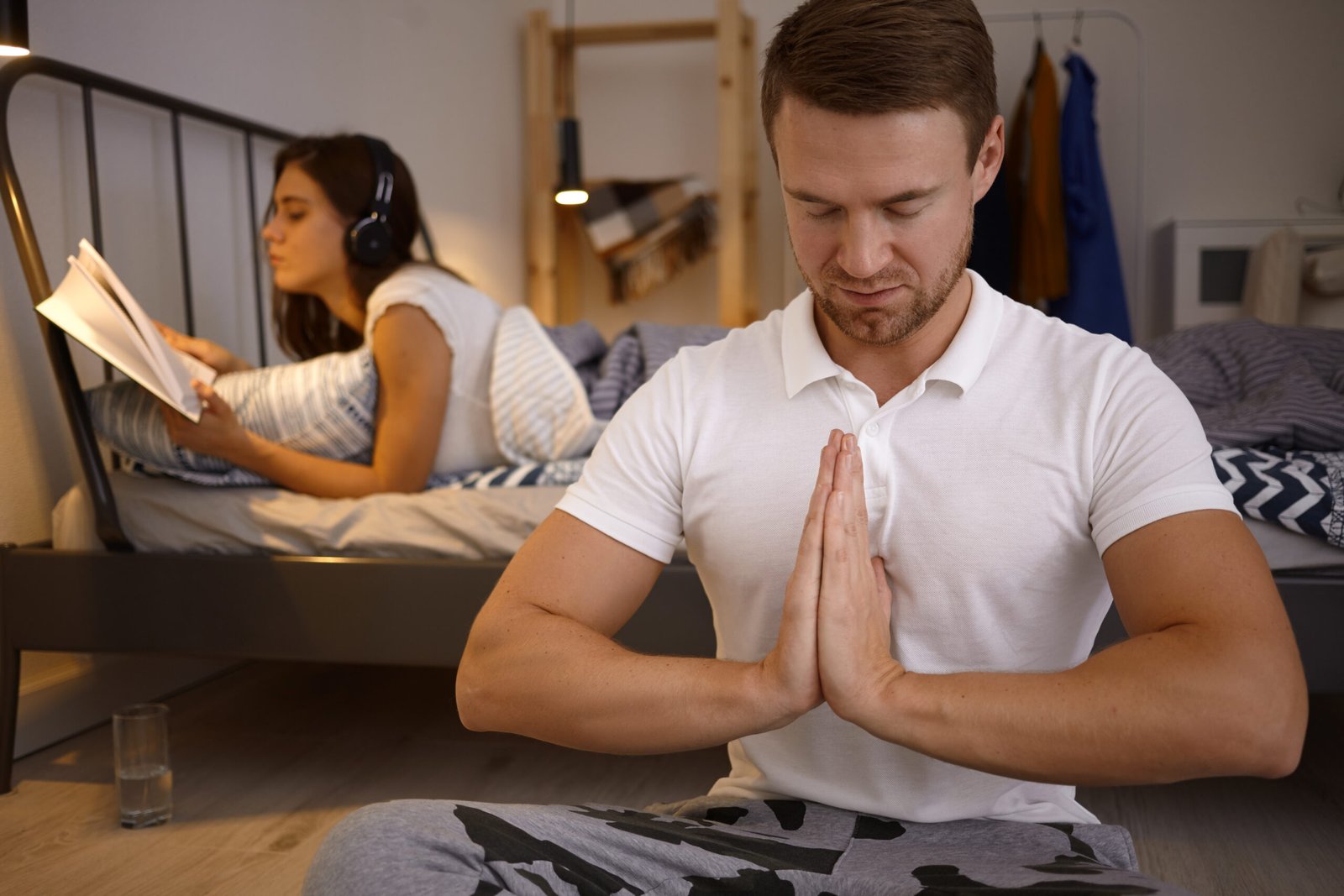
We all encounter negative people from time to time – at work, in our social circles, or even within our own families. Their constant complaints, criticism, or pessimism can drain your energy and affect your mood if you’re not careful.
While you can’t always change someone else’s behavior, you can choose how you respond to it. Learning how to stay calm around negative people is an essential skill for protecting your mental and emotional well-being.
With the right strategies, you can maintain your own inner peace even when others are determined to stir stress. Here’s how to create boundaries, manage your reactions, and stay centered in the presence of negativity.
Understand What’s Yours to Control
The first step in staying calm is recognizing what you can and cannot control. You can’t fix someone else’s mindset, personality, or habits – but you can control your response and what you allow into your mental space.
Trying to change a negative person directly often leads to frustration. Instead, focus on setting limits, adjusting your expectations, and choosing distancing techniques that help you stay grounded.
- Let go of the need to fix or rescue others
- Accept their behavior without internalizing it
- Choose what kind of energy you allow around you
Set Boundaries Without Guilt
One powerful way to protect your peace is by creating emotional or physical boundaries. This doesn’t mean shutting others out completely, but it does mean recognizing when to step back.
You can limit your exposure to chronic negativity and still be respectful. Boundaries help you conserve energy and respond with calm instead of conflict.
- Limit time spent with draining individuals
- Politely steer conversations away from toxic topics
- Use phrases like “I need a break” or “Let’s revisit this later”
Manage Your Internal Reactions
Staying calm starts from within. Negative people may trigger irritation, but how long that mood lingers depends on how you manage your internal state.
Practicing emotional awareness, mindfulness, and breathing techniques can help you reset your nervous system and respond instead of react.
- Take deep breaths to calm instant reactions
- Label what you’re feeling to reduce its power
- Practice quick grounding exercises when feeling overwhelmed
Don’t Take It Personally
People’s negativity often stems from their inner struggles, not you. When someone is constantly critical or cynical, it usually has more to do with their experience than anything you’ve said or done.
By not taking their moods personally, you create psychological distance and protect your peace of mind.
- Respond with neutrality instead of defensiveness
- Remind yourself that their behavior isn’t about you
- Avoid matching their mood or tone
Refocus on Your Own Center
After interacting with a negative person, it’s important to re-center yourself. Don’t let someone else’s attitude linger in your thoughts all day.
Find ways to reset your mind and mood so you can continue the day with clarity and calm.
- Step outside for a short walk
- Reflect on something that went well today
- Engage in an uplifting activity like music or journaling
Know When to Distance Yourself Completely
If someone’s negativity is consistently harmful to your well-being, it may be time to create stronger distance.
You’re not obligated to maintain close ties with people who chronically disrupt your peace. Sometimes, less contact is the healthiest choice.
- Limit one-on-one interactions with especially toxic individuals
- Communicate your need for space calmly but clearly
- Surround yourself with positive, balanced energy wherever possible
Frequently Asked Questions
Negative people often spread emotional tension, and without boundaries, you may absorb that energy, leaving you exhausted or stressed.
You can be a supportive presence, but true change must come from them. Focus on your own state rather than trying to fix theirs.
Set respectful boundaries, communicate honestly, and protect your peace while still showing compassion when possible.
Remind yourself that their comments reflect their worldview or stress, not your worth or intentions.
Maintain professionalism, limit personal interaction, and create mental boundaries to reduce their impact on your mood.
Yes. Try silent deep breathing, positive self-talk, or redirecting the conversation with gentle phrases.
Take short breaks, engage in activities that uplift you, and mentally let go of the interaction to recharge.
Next Steps
undefined