
Strata properties are a popular and practical choice for many Australians. But with shared ownership and common areas come unique maintenance responsibilities – and costs. When things go wrong, repairs often need to be coordinated through the strata committee and paid for from shared funds.
Understanding the cost of fixing common strata issues in Australia is essential for both owners and investors. It helps with budgeting, planning levy contributions, and preventing nasty surprises during unexpected repairs.
This guide breaks down typical strata repair costs, outlines the most frequent issues, and provides practical benchmarks to help you navigate the financial side of strata living.
Whether you’re a strata owner, committee member, or property manager, knowing what to expect can help you make smarter decisions and avoid drawn-out disputes over budgets and body corporate responsibilities.
What Are the Most Common Strata Issues?
Strata schemes include shared spaces and systems – which means it’s not just about what happens inside individual units. Many common problems arise in roof areas, plumbing systems, external walls, and internal shared facilities.
When left unattended, these issues can escalate quickly and become costly to repair. Proactive maintenance and swift response are key to keeping strata expenses under control.
- Water leaks from roofing, balconies, or bathrooms
- Blocked or corroded plumbing and drainage systems
- Lift breakdowns in multi-storey buildings
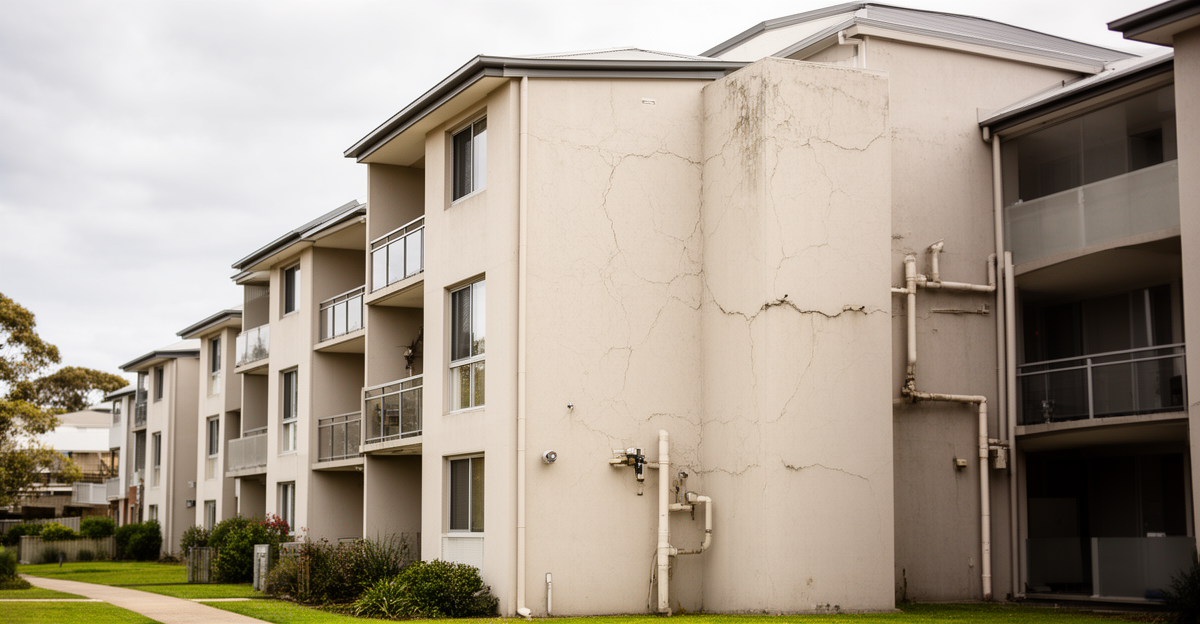
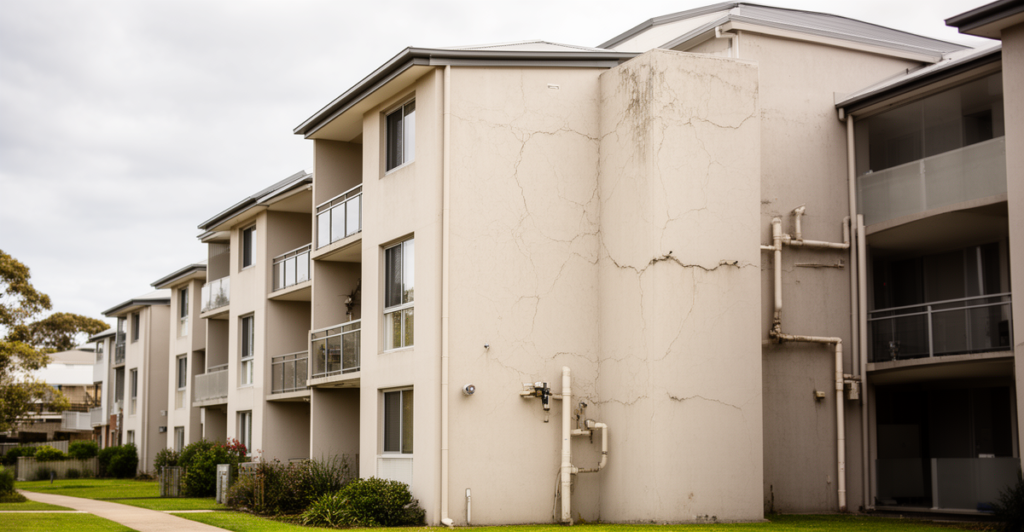
- Cracked exterior walls or structural movement
- Deteriorating common areas like hallways or lobbies
- Faulty fire safety systems and alarms
Benchmark Costs for Plumbing and Water Damage
Water-related issues are among the most frequent strata problems, especially in older buildings. Repairs often require urgent attention as they can cause internal damage and affect multiple units.
Costs vary widely depending on access, severity, and the location of the problem. Immediate detection and intervention can prevent a minor issue from turning into a costly repair.
- Leaking shower or bathroom rectification: $3,000 – $10,000 per unit
- Main drain or sewer line repair: $5,000 – $20,000
- Balcony membrane replacement: $4,000 – $12,000 each
- Pipe relining or replacement: $6,000 – $25,000+ depending on scope
Structural Cracks and Façade Repairs
Cracks in walls or concrete slabs are not just cosmetic – they can signal structural instability. These repairs may affect the safety, insurability, and value of the entire strata scheme.
Remediation often involves engineers, scaffolding, and extensive work across multiple levels, which significantly impacts cost.
- Minor patching and painting: $2,000 – $5,000 per affected area
- Façade render repair or recladding: $50,000 – $250,000+ per building
- Major structural remediation: $100,000 – $1 million+ depending on severity
Lift Repairs and Replacement
Lifts are a vital part of accessibility in strata buildings. When they malfunction, it disrupts daily life and may breach council or access requirements.
Ageing systems often require major upgrades, and modernising lift systems can represent one of the largest costs a strata scheme faces.
- Lift service and minor repair: $1,000 – $10,000 per incident
- Modernisation of older lifts: $80,000 – $200,000+ per lift
- Full lift replacement: $150,000 – $400,000 depending on building height
Fire Compliance and Safety Upgrades
By law, strata schemes are responsible for ensuring all fire protection and emergency systems are compliant. This includes alarms, extinguishers, sprinklers, and exit lighting.
Non-compliance can lead to fines or safety risks, so upgrades must be factored into strata maintenance expenses.
- Annual testing and certification: $1,000 – $5,000 per building
- System upgrades or replacements: $10,000 – $100,000+ depending on complexity
- Installing compliant fire doors and hydrants: $3,000 – $15,000 each area
Roofing and Gutters: Common but Costly
Roofs are one of the most common sources of strata dispute issues. Often out of sight, roofing maintenance is delayed until leaks begin causing internal damage.
Gutter blockages, slipped tiles, or rusted metal sheeting can rack up significant expenses if not managed proactively.
- Tile or metal sheet roof repairs: $5,000 – $15,000
- Full roof replacement: $40,000 – $150,000+ depending on size
- Gutter cleaning and pipe repairs: $500 – $5,000 per session
Frequently Asked Questions
Strata repairs are typically paid for from the strata’s administrative or capital works fund, which is contributed to by all lot owners via levies.
Costs are generally divided based on unit entitlements listed in the strata plan. Each owner pays a proportion relative to their lot size.
Yes, if damage is proven to be caused by an individual through negligence or misuse, the strata may seek to recover costs from them.
Not always. If there’s a shortfall in funds or major unplanned works, a special levy may be raised to cover costs.
Annual inspections are recommended, but high-risk elements like fire systems, lifts, and roofing may need more frequent checks.
Strata insurance often covers damage from storms, fire, or accidents. Wear and tear or poor maintenance is usually excluded.
Owners corporations may face fines and legal risks, and may be required to urgently undertake costly upgrades to meet safety codes.
Next Steps
undefined