
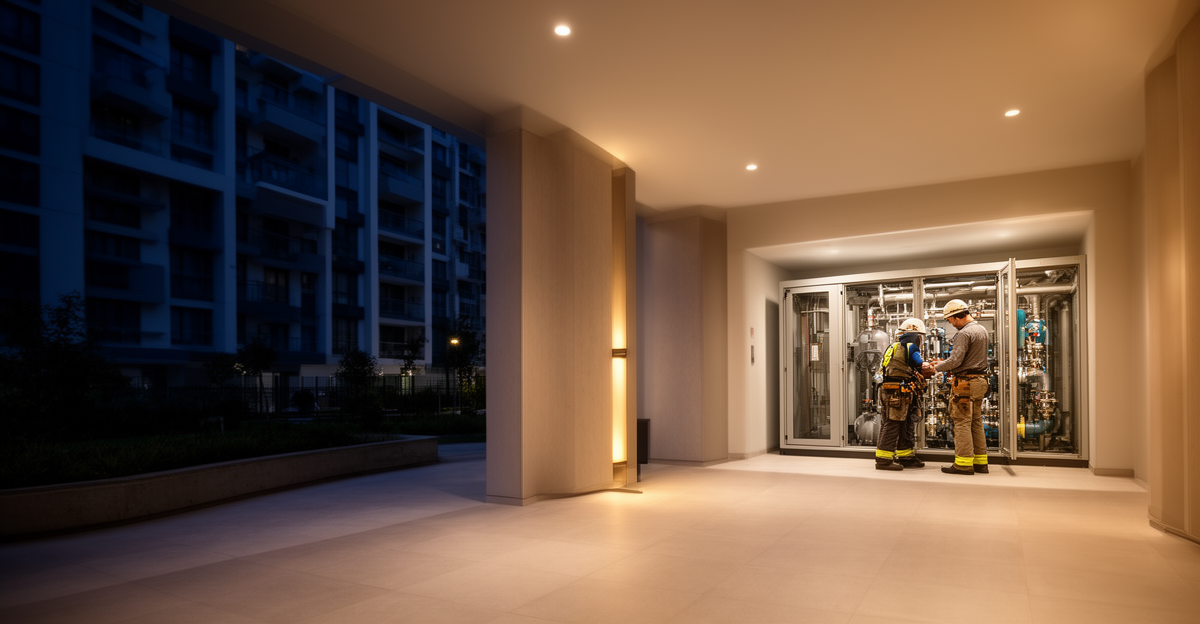
Emergency maintenance call-outs can be one of the biggest headaches for building and strata managers. Whether it’s a leak on a Saturday night or lights failing in common areas, urgent requests disrupt plans, stress budgets, and frustrate tenants.
But reducing emergency call-outs doesn’t mean providing less service. In fact, a structured, proactive approach often results in better long-term satisfaction — both from residents and service providers.
This guide outlines practical steps you can take to reduce after-hours emergencies, maintain service quality, and streamline building operations — without sacrificing care or safety.
1. Get Ahead with Preventive Maintenance
Many emergencies stem from problems that could have been prevented with routine care. Pumps fail, drains block, and lights go out — often not because they’re faulty, but because no one noticed the warning signs.
An effective scheduled maintenance program should cover all the major systems: plumbing, electrical, mechanical, lighting, access, and drainage.
- Create a monthly and quarterly maintenance checklist
- Log all inspections and flag items near end-of-life
- Service critical systems before seasons change (e.g. HVAC before summer)
- Use smart sensors or alerts where feasible (e.g. sump pump alarms)
2. Empower Residents to Report Early (and Smart)
Most building issues show signs before turning urgent. Encourage residents to report non-emergency concerns as early as possible, and confirm they know what’s considered an ’emergency’.
Clear communication and easy reporting channels reduce panic calls and help maintenance teams prioritise properly.
- Post clear ‘what is/isn’t an emergency’ guides in common areas and portals
- Offer an online request form with photo uploads
- Acknowledge every request quickly, even if actual action is later
- Follow up on near-miss events (e.g. someone slipping because of a drain)
3. Use a Simple Call-Out Triage Protocol
Before dispatching after-hours contractors, a quick triage step with the resident can rule out false alarms, clarify urgency, and sometimes resolve the issue on the spot.
Train building support or answering services to ask five key questions before dispatch decisions are made.
- What exactly is happening (describe the issue)?
- When did it start and has it worsened?
- Can it wait until the next business day without harm or risk?
- Is anyone in immediate danger or without essential services (e.g. no water, locked out)?
- Has this happened before — is there a temporary workaround?
4. Five Common Call-Outs — and How to Prevent Them
Knowledge of patterns puts power in your hands. Here are five of the most common emergency calls across apartment buildings and how to stop them from happening repeatedly.
- Blocked drains: Regular jetting and resident education prevent buildup and abuse.
- Water leaks: Scheduled plumbing inspections and pressure checks help spot small issues early.
- Access control failures: Monthly battery checks and proactive system reboots keep keypads and fobs working.
- Lift or pump alarms: Remote monitors and quarterly service contracts help avoid sudden fails.
- Lighting outages: Switching to LED with longer life spans and checking timers twice a year reduces call frequency.
5. Build Better Contractor Agreements
Partnering with the right contractors can improve performance and reduce costs. A good agreement anticipates emergency response needs — without relying on frequent call-outs.
Structure your vendor relationships around response standards and shared goals for prevention.
- Include emergency tiers (e.g. urgent, next-day, routine) in response protocols
- Offer performance-based incentives for reduced call-outs
- Require reports after emergency jobs to identify root causes
- Standardise communication methods to reduce back-and-forth
6. Maintain Service Quality While Reducing After-Hours Stress
It’s possible to lower emergency call volume without compromising resident safety or satisfaction. In fact, most reductions come from smarter systems and clearer communication — not cutting corners.
Go for transparency, consistency, and proactive planning. Your buildings will run smoother, and your team will get fewer late-night calls.
- Review emergency logs quarterly to spot trends
- Adjust maintenance frequency based on history (data-driven service)
- Train concierge or security to act calmly and escalate appropriately
- Keep residents informed about service changes and outcomes
Frequently Asked Questions
A proactive approach — combining regular inspections, resident education, and clear contractor protocols — is the most effective way to reduce emergency events.
Use a triage process before dispatching, define clear emergency vs. non-emergency examples, and educate residents on proper reporting.
No. Many after-hours calls turn out to be non-urgent. A clear triage process helps distinguish what needs immediate action.
Yes. Regular maintenance prevents system failures and helps catch small issues before they turn critical.
Not necessarily, but they should have the flexibility and expertise to handle both — with clear SLAs and expectations.
Make reporting easy, be responsive, and explain how early reporting helps everyone avoid bigger problems.