
Looking for ways to reduce ocean pollution can feel overwhelming, because the ocean is huge and the problem is complex. But prevention is often made up of small, repeatable choices that add up across households, workplaces, and communities.
Ocean pollution does not start in the ocean. It usually starts on land, travels through streets and storm drains, and ends up in rivers and coastal waters. That is why practical daily habits matter so much.
This guide breaks the problem into clear actions you can take right away, plus community-level steps that create bigger, longer-lasting change.
You will find best practices to prevent ocean pollution at home, tips to cut plastic waste, and a simple checklist you can use to track progress.
What ocean pollution is and why prevention works
Ocean pollution includes plastic and microplastics, litter, chemicals, excess nutrients from fertilizers, oil and fuel, and waste that enters waterways. Some sources are obvious, like trash left on a beach. Others are less visible, like soap and chemicals washed into drains or tiny plastic fibers shed during laundry.
Prevention focuses on stopping pollution before it reaches water. Cleanup is helpful, but it is rarely as efficient as cutting waste at the source and improving how materials are collected, treated, and reused.
Related: [Internal Link Placeholder]
- Most ocean-bound trash starts on land
- Stormwater can carry litter directly to waterways
- Reducing waste upstream lowers cleanup needs downstream
- Better disposal and safer products prevent harmful runoff
Best practices to prevent ocean pollution at home
Home is where many high-impact habits begin. The goal is to create a system that makes the low-waste option the default, and keeps hazardous materials out of drains and trash.
Start with the areas where waste and runoff are most common: kitchen, bathroom, laundry, garage, and yard. Make a few changes, stick with them, then expand.
Related: [Internal Link Placeholder]
- Use reusables for water, coffee, and shopping instead of single-use items
- Set up clearly labeled bins for recycling and trash to reduce mistakes
- Never pour oil, paint, chemicals, or medicines down sinks or toilets
- Choose concentrated or refillable household products when possible
- Pick up litter near your home so it does not wash into drains during rain
Tips for reducing plastic waste in oceans through smarter purchasing
Plastic often reaches the ocean because it is lightweight, durable, and widely used in packaging. Cutting plastic waste is less about perfection and more about reducing the most common items that escape collection systems.
Focus on frequent purchases first. If you buy something every week, changing that one habit usually beats a big one-time effort.
Related: [Internal Link Placeholder]
- Choose products with minimal packaging or packaging you can actually recycle locally
- Carry a small reusable kit: bottle, cup, container, and utensils
- Skip unnecessary extras like single-use cutlery and condiment packets
- Replace cling film and disposable bags with reusable containers
- Avoid products with glitter or unnecessary plastic parts that easily shed
Practical steps to stop ocean pollution in daily life
Beyond plastic, daily routines can reduce pollution from chemicals, fuel, and wastewater. These actions are simple, but they work best when they become habits that fit your schedule.
If you are unsure about local disposal rules for items like batteries, electronics, oil, or paint, check your municipality or waste provider. Doing the right thing once often sets you up with a repeatable routine.
Related: [Internal Link Placeholder]
- Use a microfiber-catching laundry bag or filter option if available
- Wash vehicles at facilities that treat wastewater rather than driveways
- Maintain cars and boats to prevent leaks of oil and fuel
- Use garden fertilizers carefully and only when needed to reduce runoff
- Bring hazardous waste to approved drop-off events or facilities
What can communities do to reduce ocean pollution
Individual choices matter, but community systems determine what is easy and what is hard. Better bins, clearer signage, reliable collection, and safe disposal options reduce pollution for everyone, including people who are busy or new to the area.
If you want to scale your impact, partner with local schools, community groups, and local government. Community actions to protect the ocean from pollution are most effective when they are consistent, funded, and measured.
Related: [Internal Link Placeholder]
- Install covered public bins near parks, waterways, and transit stops
- Improve storm drain protection and schedule regular litter removal
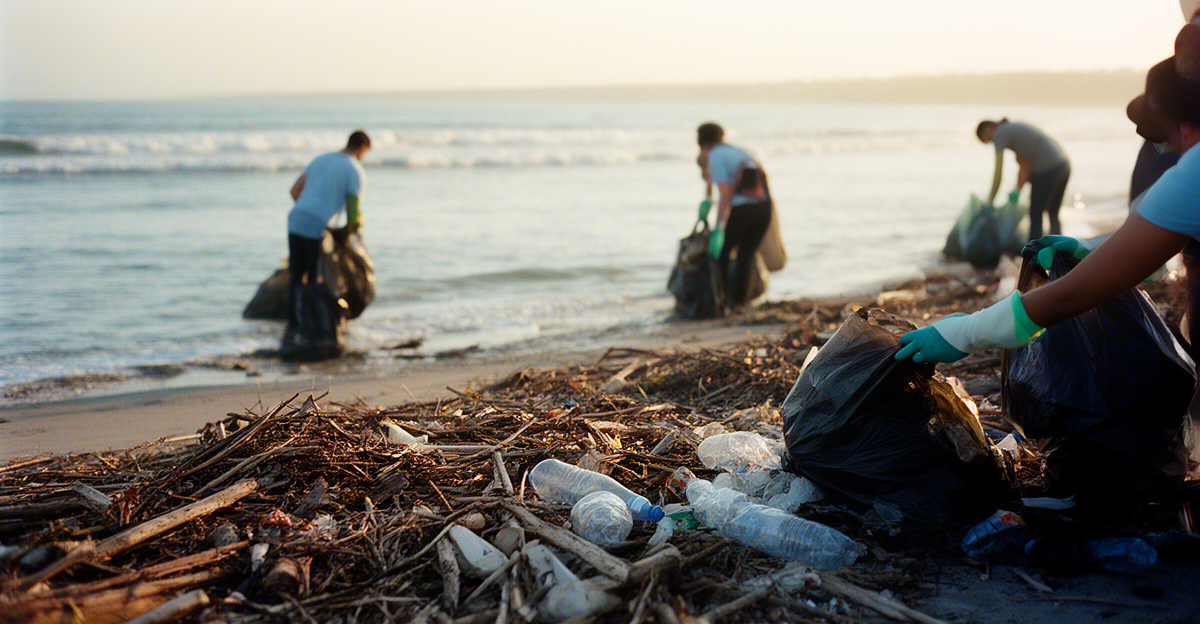
- Organize neighborhood cleanups and track what types of waste appear most
- Support reuse and refill programs at schools, events, and public venues
- Advocate for safer disposal options for hazardous household waste
Effective methods to reduce ocean pollution at work, schools, and events
Workplaces and schools can reduce waste quickly because they purchase in bulk and influence many people at once. Events also create concentrated waste, which makes them a great place to improve systems.
Start by mapping what is used most often and what ends up in the trash. Then redesign the environment so the right choice is obvious and convenient.
Related: [Internal Link Placeholder]
- Offer water refill stations and remove unnecessary single-use items
- Standardize clearly labeled waste stations with matching bin openings
- Choose vendors that can minimize packaging and take back materials
- Set procurement rules for reusables, refills, or easily recyclable materials
- Train staff or volunteers to reduce contamination in recycling streams
Examples of ocean pollution reduction efforts you can copy
Real progress usually comes from repeating a few proven approaches: reduce, replace, collect, and educate. You do not need a large budget to start, but you do need consistency and a simple way to measure improvement.
Look for efforts you can scale: one neighborhood, one school, or one business district at a time. Share results publicly to recruit more participants.
Related: [Internal Link Placeholder]
- Adopt-a-street or adopt-a-beach programs with regular cleanup dates
- Reusable cup or container pilots in cafeterias and local events
- Storm drain marking projects that remind people drains lead to waterways
- Litter audits that identify top waste items and guide targeted changes
- Monthly repair or swap events to keep items in use longer
Checklist for reducing ocean pollution impact (simple, repeatable)
A checklist helps turn good intentions into routines. Pick a few items, complete them this month, then add more next month.
If you live with others, assign ownership. When responsibilities are clear, the habits stick.
Related: [Internal Link Placeholder]
- Set up recycling and trash bins with clear labels at home
- Replace three common single-use items with reusables you will actually carry
- Identify local drop-off options for batteries, electronics, oil, and paint
- Commit to one cleanup or litter-pick routine each week or month
- Reduce packaging in one weekly shopping category (snacks, drinks, toiletries)
- Review yard or garden practices to reduce runoff during rain
- Share one community improvement idea with a local group or council
Frequently Asked Questions
Focus on preventing litter and plastics from entering drains and waterways, disposing of hazardous waste correctly, and reducing single-use packaging in your most frequent purchases.
Carry a reusable bottle and bag, keep litter out of storm drains, recycle correctly, and use proper drop-offs for batteries, oil, paint, and electronics.
They help remove existing waste and raise awareness, but prevention upstream, better waste systems, and reduced single-use items create longer-term results.
Add covered bins in hotspots, improve signage, organize regular cleanups, run litter audits, and coordinate with waste providers on reliable collection and drop-off options.
Prioritize reducing and reusing first: buy with less packaging, choose refillable options, use durable reusables, and avoid items that are hard to collect or sort.
Yes. It can cause clogs and interfere with wastewater systems. Collect used oil and follow local disposal guidance instead of using drains.