
For field service businesses involved in strata maintenance, artificial intelligence (AI) is no longer just a futuristic concept—it’s increasingly part of how work gets done on the ground. From scheduling repairs to predictive upkeep, AI promises to save time and streamline operations. But with every upside, there’s a potential risk, especially around over-reliance and data security.
This article dives deep into where AI in strata maintenance truly adds value and where it might create challenges. We’ll break down practical examples, highlight risks, and give a clear, fair view of how AI fits into your toolkit.
1. How AI Streamlines Routine Inspections
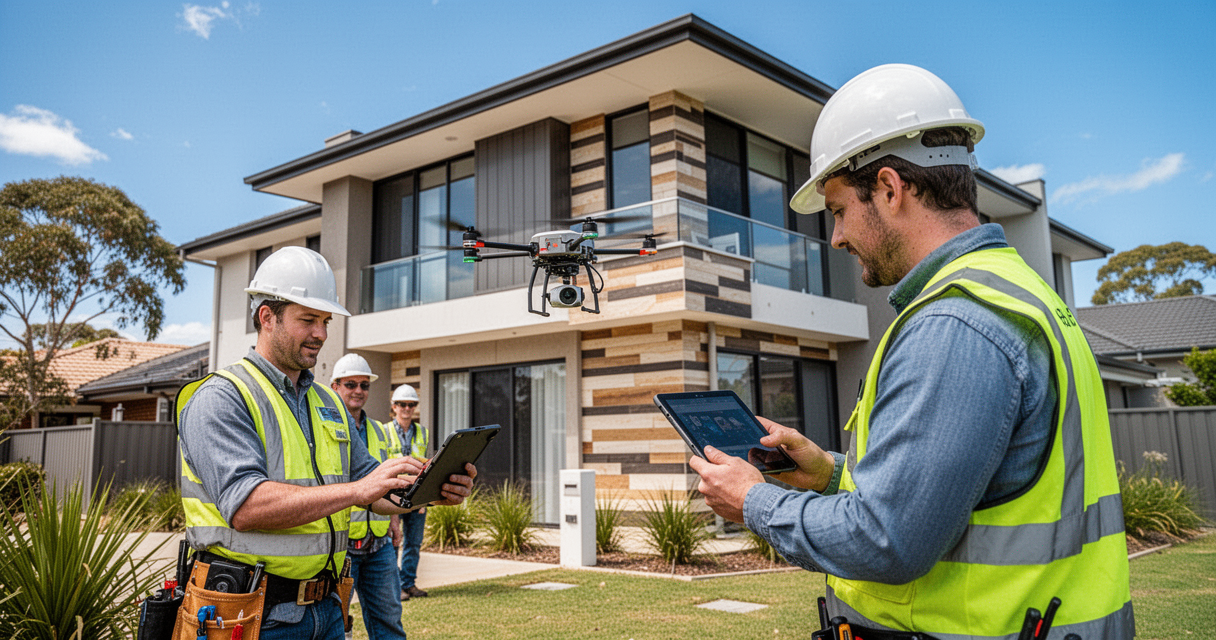
Strata maintenance often involves repetitive inspections of common areas, equipment, and building exteriors. AI-powered image recognition and drones can help automate these inspections, spotting issues like cracks, rust, or water damage faster than manual checks. This means your tradies spend less time identifying faults and more time fixing them.
- AI-driven drone surveys reduce the need for risky manual inspections on high or tricky areas.
- Automated image analysis speeds up reporting and reduces human error.
- Consistent data collection helps monitor deterioration trends over time.
2. Smarter Scheduling and Task Allocation
One of the biggest headaches for strata maintenance teams is juggling work orders, assigning the right person to the right job, and making sure nothing gets missed. AI can analyse historical data and current workloads to suggest optimised schedules that save travel time and labour hours.
It can also predict when equipment may need servicing before it breaks down, helping teams switch from reactive to proactive maintenance.
- Fewer last-minute job changes and cancellations.
- Better resource management to prevent burnout.
- Lower costs by reducing emergency call-outs.
3. Risk of Over-Reliance on AI Recommendations
It’s tempting to trust AI tools completely, but they’re not infallible. When tradespeople rely solely on AI diagnostics, there’s a risk of missing wider context or subtle cues that AI might overlook.
For example, AI might flag equipment as fine based on sensor data alone while ignoring physical signs a seasoned technician would notice. Balancing AI insights with hands-on experience is key.
- Train staff to use AI as a support tool, not a replacement.
- Keep manual checks in regular maintenance routines.
- Encourage open communication around AI findings.
4. Data Privacy and Security Concerns
Strata sites handle sensitive tenant and property data. Introducing AI platforms increases the volume of data shared and stored digitally, which could attract cyber threats if not managed carefully.
Business owners must ensure their AI vendors comply with Australian data protection laws and have strong security protocols to safeguard this information.
- Regularly review vendor security certifications.
- Limit access to sensitive data within your teams.
- Have a contingency plan for potential data breaches.
5. AI’s Role in Cost Estimation and Budgeting
AI models can analyse past maintenance expenses and upcoming needs to generate more accurate cost forecasts. Instead of guessing or relying on rough estimates, strata managers get a clearer picture of what to budget for repairs and replacements.
This helps with upfront planning and avoids nasty surprises that throw budgets out of whack.
- Access real-time budgeting updates based on AI predictions.
- Identify cost-saving opportunities through data trends.
- Reduce human error in manual calculations.
6. Predictive Maintenance: Catching Problems Early
One of AI’s most powerful uses is predicting when things might go wrong before they actually do. Sensors connected to AI platforms can trigger alerts if water pressure drops unusually or if heating systems start behaving oddly.
This early warning system avoids bigger issues down the line and ensures equipment gets swapped or serviced exactly when needed, not too early or too late.
- Reduces unexpected breakdowns and tenant complaints.
- Improves lifespan of common equipment and assets.
- More efficient use of tradie time and materials.
7. The Challenge of Integrating AI with Legacy Systems
Many strata maintenance operations still rely on traditional management systems or paper-based processes. Introducing AI tools requires integration with existing platforms, which can be tricky and costly.
Without careful planning, teams might face double handling or inconsistent data, negating the efficiency AI promises.
- Assess current systems before adopting AI tools.
- Invest in staff training for smooth transition.
- Opt for AI solutions that offer flexible integration options.
8. Enhancing Tenant Communication with AI
AI chatbots and automated messaging can keep tenants informed about upcoming maintenance, service disruptions, or urgent repairs without adding to the admin load. This tends to improve resident satisfaction and reduces calls to busy offices.
Many platforms also analyse tenant feedback to highlight common issues or requests.
- 24/7 automated updates and responses.
- Faster issue resolution through instant notifications.
- Better tracking of tenant concerns for future planning.
9. Training Tradies to Work Alongside AI
AI adoption doesn’t replace skilled tradespeople but changes how they work daily. Training is essential to help staff understand AI outputs and maintain the right balance between tech and hands-on expertise.
Ongoing upskilling supports confidence and reduces resistance to new technology.
- Include AI tool walkthroughs in onboarding.
- Encourage hands-on practise with simulated scenarios.
- Regularly update teams on AI improvements and new features.
10. Future Trends in AI and Strata Maintenance
Looking ahead, expect AI to become more generative—able to create repair plans, budgeting strategies, and risk assessments with minimal human input. Real-time data from Internet of Things (IoT) sensors will offer even richer insights.
However, human judgement and legal compliance around data use will remain vital to navigate this evolving landscape.
- Greater use of generative AI for customised maintenance plans.
- Expansion of AI-powered legal compliance checks.
- Increased collaboration between humans and AI-driven bots.
Frequently Asked Questions
AI primarily saves time by automating inspections, improving scheduling, and predicting maintenance needs before problems occur.
No. AI supports tradies by providing insights and automating routine tasks, but hands-on expertise and decision-making remain crucial.
They should choose trustworthy AI vendors, limit data access, and have strong cybersecurity practices in place.
AI might miss subtle issues, leading to overlooked problems if tradespeople do not use their own judgement.
Costs vary, but careful planning and integration ensure AI tools deliver value and avoid inefficiencies.