
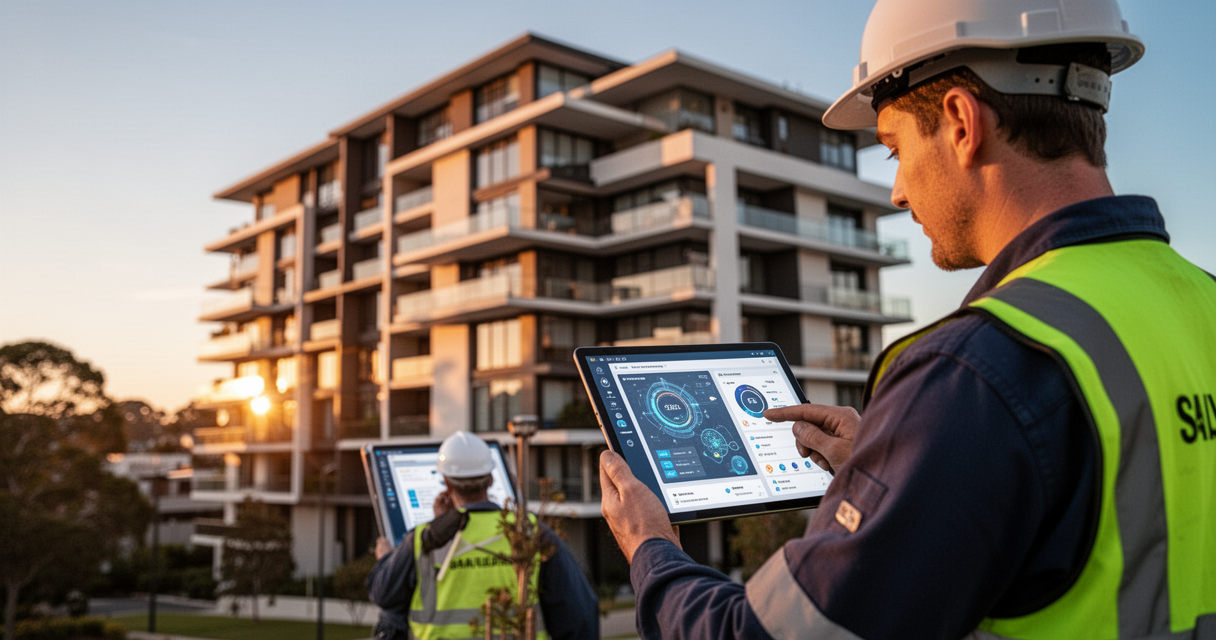
Managing strata maintenance can be a tough gig — juggling repairs, maintenance contracts, monitoring systems, and keeping residents happy. Recently, artificial intelligence (AI) has been stepping into the mix, promising to save time and improve upkeep for apartment blocks, flat companies, and body corporates across Australia. But like any new tech, it’s not all sunshine and roses. While AI can streamline tasks, spot issues faster, and help with deferred maintenance items, it can also create risks if used without a clear understanding of its limits.
In this article, we’ll explore how AI is changing the strata maintenance game — where it truly helps busy tradies and strata managers save hours and avoid headaches, and where it might risk overlooking crucial details or creating compliance challenges. Whether you’re working on apartment lift maintenance charges or managing a strata control and monitoring plan, this guide will give you practical insights about using AI in your maintenance routine.
1) AI and the Strata Control and Monitoring Plan: A Time-Saving Ally
A strata control and monitoring plan is the backbone of effective strata maintenance. AI can quickly process data from sensors, cameras, and maintenance records, giving managers a clear overview without wading through piles of paperwork. Automated alerts for issues like water leaks, electrical faults, or security breaches free up precious time for tradies and managers alike.
For example, AI-driven monitoring can pinpoint deferred maintenance items early, ensuring timely repairs before small problems snowball into costly ones.
- Faster identification of maintenance needs
- Automated scheduling and reminders
- Clear, data-driven reports for stakeholders
2) Streamlining Maintenance Requests: From Tradewind to Timbercreek
Whether you’re dealing with tradewind properties maintenance request or timbercreek maintenance request systems, AI can integrate across multiple platforms to streamline communication. AI chatbots or smart forms can triage requests, prioritise urgent jobs, and even suggest cost-effective fixes.
This cuts down unnecessary phone calls and manual follow-ups, making sure nothing slips through the cracks — a real win for on-the-tools teams.
- Automated request logging
- Priority sorting based on urgency
- Suggested contractors or specialists
3) Apartment Lift Maintenance Charges: AI’s Role in Transparent Billing
Lift maintenance is a costly and critical part of strata upkeep. AI tools can analyse usage patterns, predict wear and tear, and flag when servicing is due, helping to avoid emergency breakdowns. This predictive approach supports clearer apartment lift maintenance charges, as costs are based on data rather than surprise fixes.
When managed well, residents and bodies corporate appreciate the transparency in maintenance contracts created through AI insights.
- Predictive maintenance to reduce breakdowns
- Data-backed cost assessments
- Improved resident satisfaction
4) AI and Deferred Maintenance Items: Catching Issues Early
Deferred maintenance items — those overlooked or postponed repairs — can be a real pain, leading to bigger issues and increased costs. AI excels at spotting patterns indicating deferred attention, such as recurring minor faults or sensor readings trending downwards over time.
This proactive detection means maintenance can be scheduled at convenient times, reducing urgent call-outs and helping with budget management.
- Pattern recognition of recurring issues
- Scheduling repairs before emergencies
- Better financial planning for maintenance
5) The Flat Company Maintenance and AI: Balancing Automation with Human Touch
Companies like The Flat Company Maintenance benefit from AI by automating admin tasks, but it’s crucial to remember strata maintenance still demands human judgment. AI tools can suggest solutions, yet an experienced tradie or manager must validate these to ensure safety and compliance.
Overreliance on AI without checks might introduce risks, such as misdiagnosed problems or overlooked tenant needs.
- Automation of paperwork and scheduling
- Human validation remains vital
- Avoiding blind trust in AI suggestions
6) Compliance and the Maintenance Release CASA Process
Maintenance release CASA regulations are strict, especially around safety and reporting. AI can help by automatically logging compliance tasks and generating reports, but it must be set up to align with local regulations and standards.
If the AI system misses nuances or updates in rules, the strata managers risk non-compliance fines or safety hazards.
- Automated compliance logging
- Integration with regulatory updates
- Need for periodic human audits
7) One Rent Maintenance and AI: Managing Payments and Jobs
Platforms like One Rent Maintenance pair well with AI for simplifying payment tracking and job management. AI can match invoices against job records, flag anomalies, and speed up approval processes.
This reduces administrative delays, helping tradies get paid faster and strata managers keep budgets on track.
- Invoice and payment reconciliation
- Job status monitoring
- Faster financial workflows
8) Maintenance MQ and AI: Improving Data and Workforce Management
Maintenance MQ databases hold key records of past repairs and maintenance history. AI can mine this data to forecast upcoming needs and allocate workforces optimally.
This keeps maintenance teams less reactive and more strategic, preventing burnout and improving service quality.
- Data-driven workforce allocation
- Forecasting maintenance cycles
- Reducing emergency callouts
9) Risks of AI Misuse: Overdependence and Data Privacy
Despite its perks, too much trust in AI can be risky. Algorithms might overlook context or anomalies unique to certain properties. There’s also the issue of sensitive data — AI systems handling resident information or strata financials must comply with privacy laws to avoid breaches.
Regular audits and combining AI with experienced staff are key to managing these concerns.
- Avoid over-automation
- Privacy compliance is essential
- Blend AI with human expertise
10) Future Outlook: How AI Will Continue to Evolve in Strata Maintenance
AI is set to become even more embedded in strata maintenance — with smarter sensors, better predictive analytics, and fully integrated communication across platforms. This will make managing apartment maintenance contracts, lift charges, and strata control plans more efficient than ever.
But the best outcomes will always come from pairing this tech with the know-how of seasoned tradies and managers who understand local rules, resident expectations, and the quirks of each site.
- Enhanced predictive maintenance tools
- Greater platform integration
- Stronger collaboration between AI and humans
Frequently Asked Questions
It’s a structured approach used by body corporates to manage maintenance, monitor building systems, and plan repairs efficiently.
AI spots recurring issues early and predicts when maintenance is due, helping avoid costly emergency repairs.
Yes, overdependence can cause missed issues or data privacy concerns, so human oversight is essential.
Absolutely. AI helps predict maintenance needs and costs based on usage data, making charges clearer for residents.
AI is great for data-heavy, repetitive tasks but should be combined with human expertise for safety and compliance decisions.