
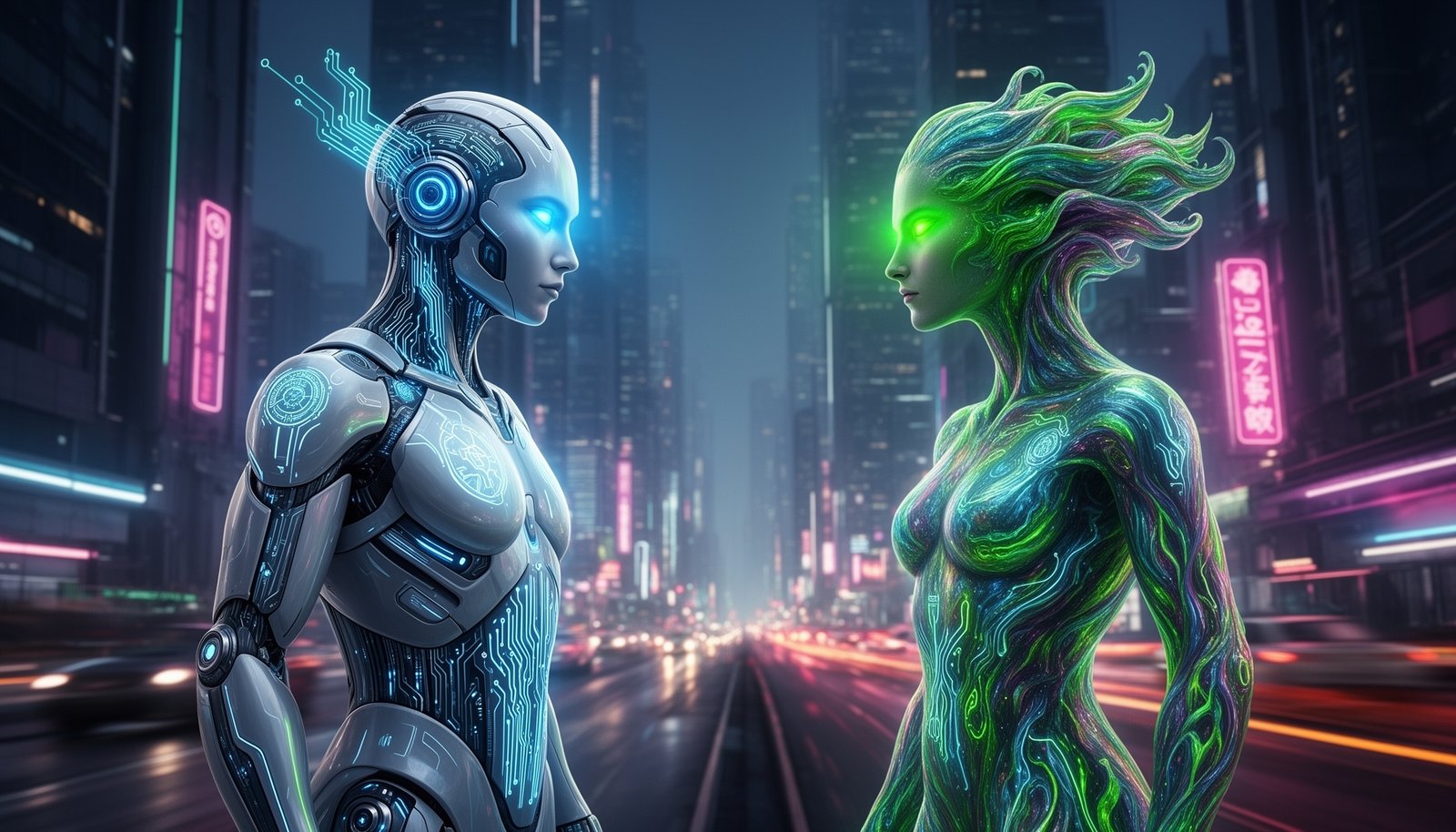
In 2026, “The Ultimate Battle for Creative Control” has reached new heights in the realm of artificial intelligence art. As AI platforms like GPT-Image-2 and Midjourney v7 vie for dominance, creators are confronted with unprecedented choices that could redefine artistic boundaries. This article dives into the nuances of these advancements, exploring their impact on creative freedom and control.
Why AI Artistry is Transforming Creative Control
The landscape of artistic creation has been revolutionized by AI, with platforms like GPT-Image-2 and Midjourney v7 at the forefront. These tools offer artists the ability to generate complex images and designs swiftly, challenging traditional notions of what it means to create art. For artists, this means negotiating between technological assistance and personal creative input.
Creative control in AI art is not just about generating images but involves the subtle balance between machine-driven outcomes and human intent. This evolving dynamic raises questions about originality, authenticity, and the role of the artist in the creation process.
GPT-Image-2 vs. Midjourney v7: A Comparative Analysis
The competition between GPT-Image-2 and Midjourney v7 is a defining aspect of this creative evolution. Both platforms excel in different aspects of artistic generation and cater to varying needs of creators.
Here’s how they stack up:
Challenges in Maintaining Creative Control
As AI art platforms evolve, maintaining creative control becomes a crucial challenge. Many artists are concerned about the potential loss of personal style and the dominance of machine-generated aesthetics. While these AI tools can enhance creativity by providing new perspectives and ideas, they also risk homogenizing art if not used judiciously.
Moreover, the reliance on AI raises legal and ethical questions about copyright and ownership of AI-generated works. This ongoing debate suggests a need for clearer regulations and a better understanding of what constitutes authorship in AI-enhanced art.
Future of Creative Control: Looking Ahead
The future of creative control in AI art is poised for continued evolution. With innovations like GPT-Image-2 and Midjourney v7 setting the stage, the next few years will likely see more personalized AI tools that can better reflect individual artistic styles and preferences.
The ultimate goal is to create an environment where AI and human creativity coexist symbiotically, each enhancing the other’s capabilities. As we move forward, collaboration, rather than competition, may become the key to unlocking the full potential of AI in art.
The Ultimate Battle for Creative Control: Impact on Artists
For artists, “The Ultimate Battle for Creative Control” is more than just a technological skirmish—it is a shift in the very fabric of creation. Artists must decide how to integrate these powerful AI tools into their workflows without sacrificing their unique vision.
This battle encourages artists to innovate continually, leveraging AI to push the boundaries of what is possible while ensuring their voice remains distinct. It’s a delicate dance of control and creativity that promises to redefine the future of art.
Frequently Asked Questions
The main challenge is maintaining the balance between machine-driven outcomes and personal creative input, ensuring that the artist’s unique style and vision are not overshadowed by AI-generated results.
GPT-Image-2 focuses on realistic and lifelike images with extensive API support, while Midjourney v7 excels in artistic and abstract image rendering, offering rich in-built tools for creative experimentation.
The copyright of AI-generated art is a complex legal issue that involves determining authorship and the extent of human input in the creation process. Current legal frameworks are still adapting to address these challenges.
Future developments are likely to focus on more personalized AI tools that reflect individual artistic styles and support a symbiotic relationship between AI and human creativity.
Artists can maintain their creative control by using AI as a collaborative tool, ensuring their personal vision guides the creation process and using technology to enhance rather than replace their artistic instincts.