
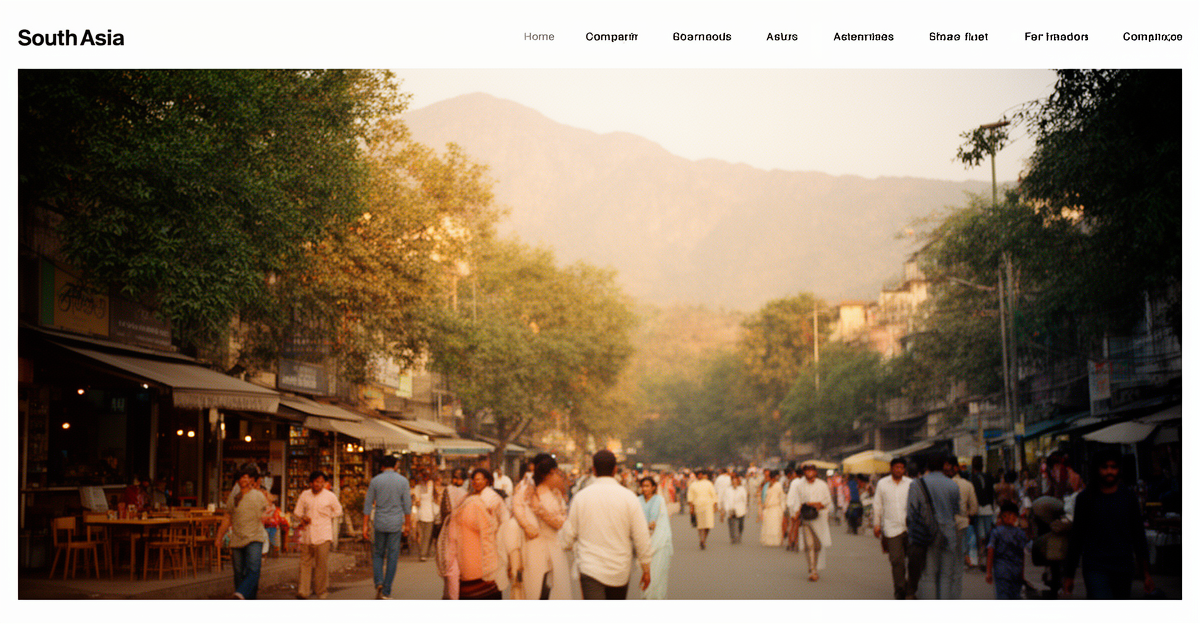
The best place to live in South Asia depends on what you value most: career growth, cost of living, healthcare access, international schools, climate, or community.
Instead of chasing one “perfect” city, it helps to shortlist a few that match your lifestyle and your non-negotiables. South Asia offers huge variety, from fast-growing tech hubs to quieter mountain cities.
This guide breaks down how to choose the best place to live in South Asia, with a practical way to compare locations and a shortlist of strong options across the region.
You will also find a reality check on common assumptions people bring from global rankings (like the highest standard of living in the world 2019 lists) and a few notes for newcomers who are comparing Asia-wide moves.
Start with your decision framework (not a single “winner” city)
If you ask ten people for the best place to live in South Asia, you will get ten different answers because “best” is personal. A remote worker with kids, a new graduate, and a retiree will optimize for different things.
Before you compare cities, write down what you need to feel settled in the first 90 days. This prevents you from choosing a place that looks great in photos but is hard to live in day to day.
Also be careful with global comparisons. A ranking like the highest standard of living in the world 2019 can be interesting context, but it rarely reflects what daily life feels like in a specific neighborhood or for a newcomer managing visas, housing, and healthcare.
- Define your top 5 non-negotiables (safety, healthcare, schools, community, climate)
- Decide your acceptable commute time and noise level
- List your “must-have” services within 30 minutes (hospital, supermarket, parks)
- Set a realistic monthly budget and a buffer for setup costs
- Pick 2 to 4 cities to visit before committing long-term
Top contenders in India (and how to choose among them)
For many people, the strongest shortlist will include major metros because they offer broader job markets, more housing choice, and more services. When people search for best cities to live in india, they are usually weighing career opportunity against traffic, air quality, and cost.
If you are looking for the best city to live in india 2025, focus less on predictions and more on present-day indicators you can verify: current infrastructure projects, proximity to your industry, and the neighborhoods that match your daily routine.
You will also see older roundups like best city to live in india 2020. Treat those as historical snapshots. Cities change quickly, and your experience depends heavily on the specific area you choose.
Related: [Internal Link Placeholder]
- Bengaluru: strong tech ecosystem and international community; prioritize livability by neighborhood
- Hyderabad: growing corporate base and newer districts; often easier logistics for newcomers
- Pune: popular for education and a slightly slower pace than some larger metros
- Chennai: established industries and coastal climate; consider humidity and neighborhood planning
- Kochi: smaller-city feel with good connectivity; evaluate job fit and healthcare access
Bengaluru neighborhood fit: a closer look
People often search for best places to live in bangalore because the city is not one experience. The right neighborhood can mean less time in traffic, better walkability, and easier access to essentials.
When comparing areas, prioritize proximity to your workplace or your main social hub. In many cases, the daily commute will shape your quality of life more than rent alone.
If you are relocating from abroad, choose a neighborhood where you can set up quickly: reliable utilities, good building management, and easy access to clinics and shopping.
- Shortlist areas based on commute routes, not straight-line distance
- Visit at rush hour and late evening before signing a lease
- Ask about water reliability and backup power in the building
- Check mobile coverage and internet options in the exact building
- Look for parks, gyms, and cafés you will actually use weekly
Nepal options for lifestyle and nature access
If your idea of the best place to live in South Asia includes mountain scenery, outdoor activities, and a slower pace, Nepal can be compelling. Searches for best places to live in nepal often reflect a desire for community feel and access to nature.
Your choice will depend on whether you need a major-city service base or prefer a smaller setting. As always, confirm practicalities like healthcare access and the availability of the products and services you rely on.
Related: [Internal Link Placeholder]
- Choose based on healthcare access first, then lifestyle preferences
- Check seasonal air quality patterns and your sensitivity to them
- Confirm reliable internet if you work remotely
- Rent short-term first to learn what daily life feels like
- Ask locals about supply availability during peak seasons
How to think about retirement and long-term settling
Many relocation decisions are shaped by why westerners retire in asia: cost flexibility, warmer weather, a desire for community, and the appeal of a new pace of life. Those motivations also apply to non-retirees who want more value from their monthly budget.
But retirement and long-term settling come with extra factors: continuity of healthcare, stable housing, and the ability to build a support network. The “best” city is the one that makes these needs easier, not harder.
Plan for the boring details. They are what separate a great trip from a stable home.
- Choose a location with strong hospitals and multiple clinic options
- Prioritize walkability and routine errands over “tourist appeal”
- Budget for private health coverage if needed and verify what it includes
- Build a community plan (clubs, volunteering, classes, faith groups)
- Have a clear plan for renewals, paperwork, and emergency contacts
Common comparisons and misconceptions when choosing South Asia
Some people compare South Asia against other parts of Asia when deciding where to live. For example, if you are also considering East Asia, you might wonder how hard is it to live in china. That question often comes down to language barriers, app ecosystems, documentation processes, and how easily you can build a social and professional network.
Another misconception comes from mixing unrelated “best place” lists. You might see something like best place to live in ballarat while researching, but it is a different context with different constraints, costs, and systems. Keep your comparisons within the same region and life situation.
Finally, be careful with broad lists of top cities in india. They can help you discover options, but your final decision should be neighborhood-specific, routine-specific, and verified with a visit.
- Compare like with like: visas, housing norms, healthcare access, and language
- Avoid choosing based on a single ranking or a single influencer story
- Test the city with a 2 to 4 week stay in your target neighborhood
- Document your daily needs and see if the city meets them reliably
- Talk to residents with your lifestyle (families, retirees, remote workers)
Frequently Asked Questions
There is no single best option for everyone. The best place to live in South Asia is the city and neighborhood that matches your work needs, healthcare expectations, budget, and preferred pace of life.
Not always. “Top” often refers to size or economic output, while “best to live” depends on daily comfort factors like commute, housing quality, and access to healthcare.
Use them for ideas, not decisions. Verify current conditions by visiting neighborhoods, checking services you need, and speaking to residents with a similar lifestyle.
Focus on commute patterns, water reliability, building management, and access to essentials like clinics and groceries. The neighborhood matters as much as the city.
Many people value nature access and a slower pace. Practical factors like healthcare access and reliable internet should still be checked carefully before committing.
Common reasons include cost flexibility, climate, and lifestyle. In South Asia, the same motivations can apply, but it is important to confirm healthcare options, paperwork requirements, and long-term housing suitability.