
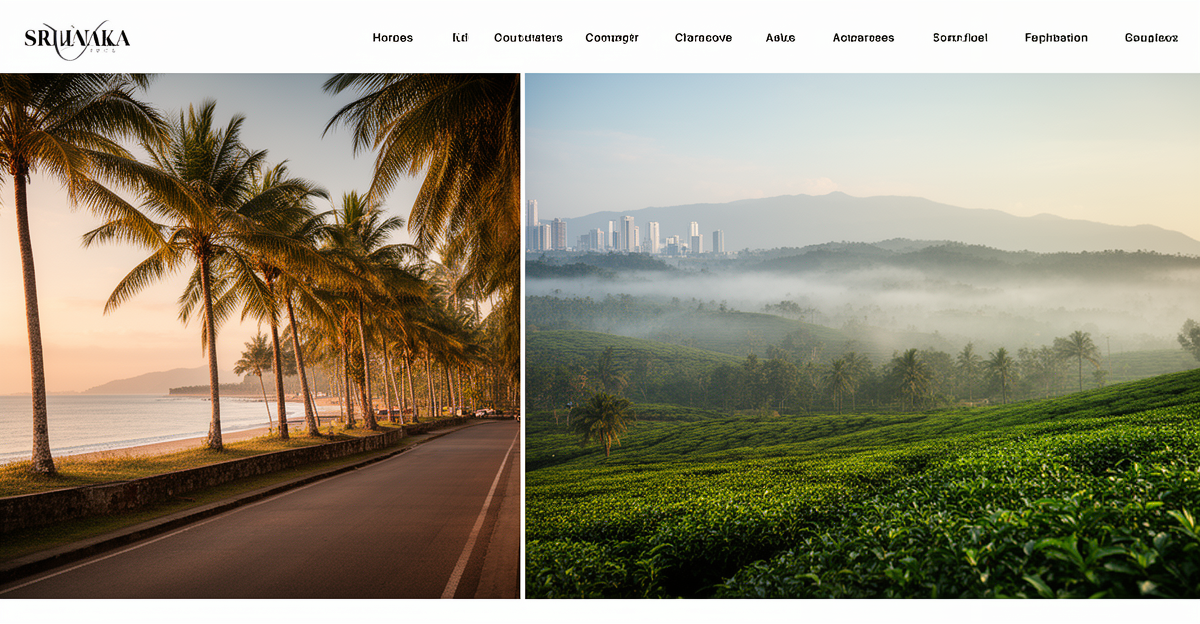
Searching for the Best place to lives in Sri Lanka can feel surprisingly hard, because the “best” depends on what you value most: jobs, beaches, cooler weather, schools, cost, or community.
Sri Lanka offers very different living experiences within a few hours’ drive, from busy commercial hubs to quiet hill-country towns and laid-back coastal communities.
This guide walks you through popular options and a simple decision method, so you can shortlist places that match your real priorities rather than generic rankings.
To make the choice more objective, we will also cover how to use online tools responsibly, including a quick note on ai and ethics when you rely on AI summaries, reviews, and “best places” lists.
Start with your non-negotiables (before you pick a city)
Before comparing locations, decide what you cannot compromise on. Many people jump straight to a place name, but your day-to-day quality of life is shaped by commute time, climate comfort, healthcare access, and how often you need to travel.
A simple shortlist becomes easier when you score each place against a few personal criteria. This is where AI tools can help, but it is also where ethics around ai matters: tools may summarize outdated posts, overweight tourist opinions, or miss local realities.
- Work: remote-friendly internet, proximity to offices, commute tolerance
- Climate: heat and humidity vs cooler hill-country weather
- Budget: rent expectations, utilities, transport costs
- Family needs: schools, parks, walkability, healthcare
- Lifestyle: nightlife, surfing, hiking, quiet neighborhoods
- Travel: access to highways, rail, and airports
Colombo and the Western Province: convenience and career gravity
If your priority is career options, international schools, and access to specialized healthcare, the Colombo area is often the practical answer. It is the most connected region for many services, and you will generally find the widest range of housing types and amenities.
The tradeoff is pace and cost. Traffic can shape your routine, so neighborhood selection matters as much as the city itself. If you use AI to compare neighborhoods, remember the ethics of ai: “top neighborhood” outputs may be based on engagement, not suitability.
- Best for: corporate jobs, startups, expat services, broad amenities
- Consider if: you value convenience over quiet
- Watch for: commute time, noise, and neighborhood-by-neighborhood differences
- Tip: visit at peak hours before committing to a lease
Kandy and the Central region: culture, education, and a balanced pace
Kandy is a common choice for people who want a city feel without the intensity of the capital. It offers cultural depth, access to hill-country day trips, and many services you would expect in a major urban center.
It can be a strong middle ground: more relaxed than Colombo while still connected. When you read “best places” lists generated by AI, treat them like an ai encyclopedia entry: useful for orientation, not a decision on your behalf.
- Best for: families, students, people who want a slower rhythm
- Consider if: you want urban services with easier access to nature
- Watch for: congestion in central areas and seasonal travel crowds
- Tip: choose a home base that reduces daily hill and lake-side traffic
Galle and the Southern coast: lifestyle, scenery, and creative energy
Galle appeals to people who want coastal living with a strong sense of place. The region can suit remote workers and anyone drawn to beach access, cafés, and a more lifestyle-led routine.
If you are a creative professional, you may also notice discussions about ai and art ethics in communities that care about originality and authorship. When using AI to explore neighborhoods or rental options, be careful about fabricated listings, edited images, or overly polished descriptions.
- Best for: coastal lifestyle, remote work, weekend exploration
- Consider if: you want sea air and a calmer pace
- Watch for: seasonal changes in crowds and availability of long-term rentals
- Tip: confirm internet reliability and backup power options before signing
Nuwara Eliya and the hill country: cool climate and quiet living
If you prefer cooler temperatures and a quiet environment, hill-country towns like Nuwara Eliya can be attractive. The climate can be a major quality-of-life factor, especially if heat affects your sleep and productivity.
However, quieter areas can also mean fewer specialized services and longer travel for certain needs. Use online research wisely. The ethics around ai becomes relevant when AI tools summarize climate, safety, or healthcare access without citing reliable sources.
- Best for: cool weather seekers, slow living, nature-focused routines
- Consider if: you are comfortable with fewer big-city conveniences
- Watch for: travel time to specialized healthcare and major hubs
- Tip: do a trial stay during the season you plan to live there
Using AI to choose where to live: a practical ai ethics framework
AI can speed up research: comparing neighborhoods, summarizing visa or rental tips, and creating checklists. But “fast” is not always “true,” and the ethics of ai matters most when decisions affect finances, safety, and family wellbeing.
A simple ai ethics framework for relocation research is to treat AI as an assistant, not an authority. Cross-check critical items with primary sources and local, recent input. If you follow ai ethics news, you will see recurring issues like hallucinated facts and biased training data. That is exactly why verification is part of responsible use.
If you are wondering is ai ethics really relevant for a housing decision, the answer is yes. Misleading summaries can push you toward a neighborhood that does not match your commute, budget, or lifestyle. If you want deeper reading, look for the best ai for philosophy style resources that discuss reasoning, uncertainty, and source quality, then apply the mindset to your move.
- Verify: confirm prices, rules, and availability with current, local sources
- Ask for sources: prefer outputs that cite where claims come from
- Watch for bias: tourist reviews may not reflect day-to-day living
- Avoid over-trusting images: edited photos can hide noise, traffic, or disrepair
- Protect privacy: do not paste sensitive documents into AI tools
- Keep a shortlist: use AI to compare, then decide after real visits
- Related: [Internal Link Placeholder]
A simple shortlist method (so you can decide with confidence)
To choose the Best place to lives in Sri Lanka for you, build a shortlist of three to five places and evaluate them with the same questions. Consistency beats intuition when you are comparing very different locations.
Try a two-step process: first, pick the region that matches your climate and lifestyle. Second, pick the specific neighborhood based on commute and daily routine.
- Step 1: rank your top 5 needs (work, climate, budget, family, lifestyle)
- Step 2: shortlist 3 to 5 locations (for example: Colombo area, Kandy, Galle, hill country)
- Step 3: do a 3 to 7 day trial stay in each top contender
- Step 4: check essentials in person (internet speed, water pressure, noise at night)
- Step 5: decide based on your scores, not a generic “best” list
- Related: [Internal Link Placeholder]
Frequently Asked Questions
There is no single best choice. Colombo suits convenience and careers, Kandy offers a balanced pace, the South fits coastal lifestyle seekers, and the hill country suits people who want cooler weather.
It can be, especially for work and services. The main downsides are traffic and higher costs, so neighborhood selection and commute planning are important.
Many people prefer hill-country towns or smaller coastal communities for quieter day-to-day living, with the tradeoff of fewer big-city services.
Yes, for organizing research and comparisons. But always verify key details with current local sources because AI can be wrong or outdated.
Ethical AI use means checking sources, watching for bias, and protecting privacy. These steps reduce the risk of making a costly decision based on inaccurate summaries.
Internet reliability, noise levels at night, commute time during peak hours, water pressure, and the condition of the building and surrounding area.