
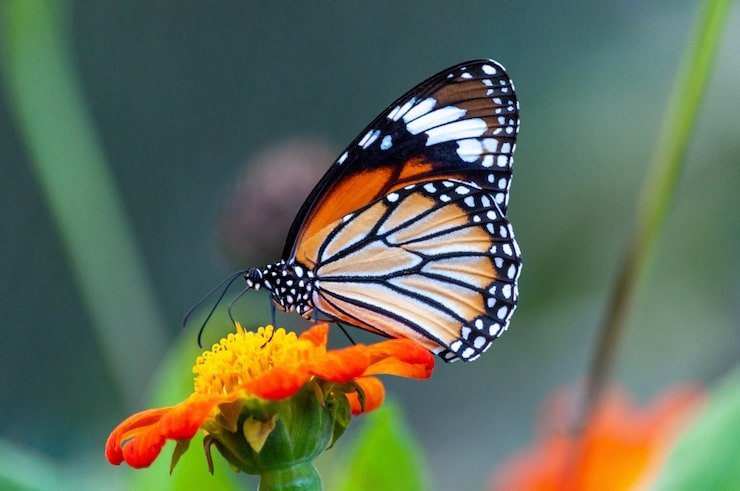
Butterfly variations are one of the clearest reminders that nature rarely repeats itself exactly. Even within the same species, butterflies can look and behave differently depending on where they live and what pressures they face.
Across forests, grasslands, deserts, mountains, and islands, butterflies have evolved striking differences in color, wing shape, size, and even daily routines. Some of these traits help them avoid predators. Others help them manage heat, find mates, or use specific host plants.
This guide explores the main kinds of variation you can notice in the field, what causes them, and how to observe them responsibly. You do not need to be a scientist to appreciate the patterns, but understanding the basics makes every sighting more meaningful.
If you enjoy photography, gardening, travel, or simple outdoor walks, learning about butterfly variations can help you identify species more confidently and notice the small details most people miss.
What “variation” means in butterflies (and why it matters)
Variation refers to differences in appearance or behavior between butterflies. Some differences are genetic, passed down across generations. Others are shaped by the environment a butterfly grows up in, such as temperature, rainfall, or the quality of its host plant.
These differences matter because they affect survival and reproduction. A slightly darker wing may warm faster in a cool habitat. A different pattern may confuse predators. A change in flight style can help in windy places.
When you start looking for butterfly variations, you move from simply spotting butterflies to reading the story of adaptation in real time.
Related: [Internal Link Placeholder]
- Genetic variation: inherited differences within a species
- Environmental variation: changes driven by conditions during development
- Seasonal forms: different looks in wet vs dry seasons in some species
- Geographic forms: regional differences shaped over long time periods
Color and pattern: camouflage, warning signals, and mimicry
Color is often the first thing people notice, and it is one of the most varied traits worldwide. Many butterflies blend into bark, leaves, or dry grass when their wings are closed. Others advertise that they taste bad or are toxic using bold, high-contrast colors.
Mimicry adds another layer. Some harmless butterflies evolve to resemble species that predators avoid. The result is that two unrelated butterflies in the same habitat can look surprisingly similar because the local predator community rewards that resemblance.
Patterns can also shift across regions. A butterfly in a wetter forest may have darker or richer tones, while a close relative in a sunnier or drier area may be paler, helping it avoid overheating or stand out less against its background.
Related: [Internal Link Placeholder]
- Camouflage: browns, greys, leaf-like shapes and eye-spots
- Aposematism: bright colors that signal toxicity or bad taste
- Mimicry: copying warning patterns to reduce predation
- Regional pattern changes: local backgrounds and predator pressure
Wing shape and size: flying in forests, open fields, and mountains
Wing shape influences how a butterfly flies. Broad wings can help with gliding and maneuvering in shaded forests. Narrower wings can support faster, more direct flight in open landscapes. Tails, scalloped edges, and elongated tips may also change how predators perceive the butterfly in motion.
Size is another common variation. In cooler regions, some butterflies may be larger or darker, which can improve heat absorption and flight readiness. At high elevations, strong winds and colder temperatures can favor forms that warm up quickly and fly efficiently in short windows of sunlight.
Island populations sometimes develop their own look over time due to isolation. Limited gene flow and unique conditions can make island forms noticeably different from mainland relatives.
Related: [Internal Link Placeholder]
- Forest habitats often favor agility and controlled flight
- Open habitats often favor speed and endurance
- Mountain habitats can select for better thermoregulation
- Islands can produce distinct local forms over generations
Seasonal and environmental forms: how weather can change a butterfly’s look
Not all butterfly variations are fixed. In some species, individuals emerging in different seasons can look different even within the same location. This can happen when larvae and pupae develop under different temperatures, day lengths, or humidity levels.
A common pattern is that dry-season forms are more muted and better camouflaged against dead vegetation, while wet-season forms can be bolder and more contrasting. The goal is the same: survive long enough to reproduce under the conditions that are most likely right now.
Environmental stress can also influence size or coloration. For example, poor nutrition during the caterpillar stage can lead to smaller adults. Because of this, variation can sometimes hint at habitat quality, though it is not a simple one-to-one signal.
Related: [Internal Link Placeholder]
- Temperature can influence darkness and pattern contrast
- Day length can act as a cue for seasonal forms
- Host plant quality can affect adult size and vigor
- Drought and rainfall cycles can change local appearance trends
Sex, age, and life stage: variation within a single species
Two butterflies of the same species can look different simply because one is male and the other is female. In some species, males are more brightly colored to attract mates or defend territories, while females may be more camouflaged for egg-laying and safety.
Age also matters. Freshly emerged adults typically look crisp and vibrant. Over time, wings fade, scales rub off, and edges fray from weather and predator attempts. This wear can make identification tricky if you only expect pristine field-guide photos.
Finally, caterpillars and chrysalises show their own variation. Some caterpillars change color as they grow, and some chrysalises match their surroundings closely. Learning these stages adds a deeper layer to understanding butterfly variations.
Related: [Internal Link Placeholder]
- Sexual dimorphism: male and female differences
- Wear and fading: older adults often look duller or damaged
- Life-stage differences: caterpillars can vary by instar
- Local morphs: occasional alternative color forms in a population
How to observe butterfly variations responsibly (and learn faster)
You can learn a lot by observing carefully and keeping simple notes. Photograph butterflies from multiple angles when possible, especially wing tops and undersides. Many species hide key features when resting, and the underside often shows camouflage patterns that vary by region.
Try to connect what you see with habitat. Was the butterfly in deep shade, open sun, coastal dunes, or higher elevation? Noting the plant it lands on or the flower it feeds from can also help, since host plants strongly shape where many butterflies can live.
Avoid handling butterflies. Even gentle touch can remove wing scales. If you garden or manage land, aim to support variation by supporting habitat diversity, including native host plants for caterpillars and nectar sources for adults.
Related: [Internal Link Placeholder]
- Photograph both wing surfaces when possible
- Record date, location type, and weather conditions
- Look for caterpillar host plants and nearby nectar plants
- Do not collect or handle unless it is legal and ethical where you are
- Plant a mix of native flowers and host plants to attract more species
Frequently Asked Questions
Different climates, habitats, predators, and host plants create different survival pressures, which can lead to regional differences over time.
Yes. Some species show regional forms, seasonal forms, or sex-based differences that change colors and patterns.
Patterns do not biologically change after adulthood, but wings can fade and wear, making the butterfly look different from a fresh adult.
It is common in many regions. Some butterflies evolve to resemble other species that predators avoid.
Compare multiple features such as underside pattern, wing shape, behavior, and habitat. A good photo and a local field guide or expert community can help confirm.
Grow a range of native nectar plants and caterpillar host plants, avoid broad-spectrum pesticides, and keep some areas with natural shelter.