
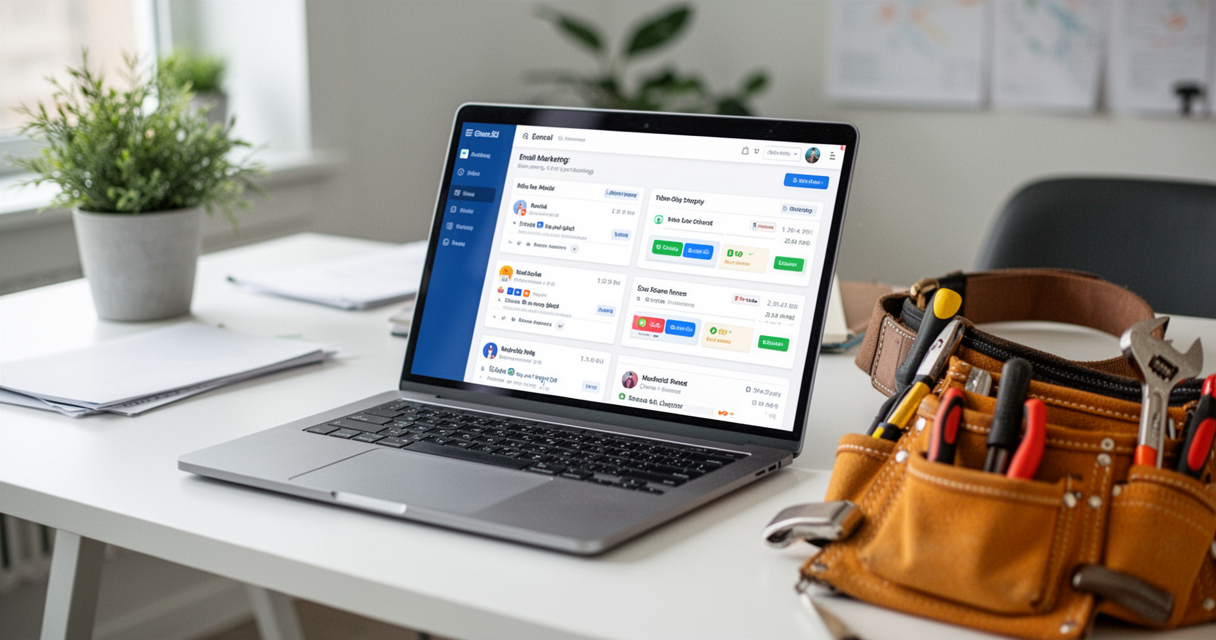
If you’re a tradie in Australia looking to win more repeat work, email marketing is a straightforward, cost-effective tool that can keep your business top of mind with past clients.
Many tradies shy away from email marketing because they think it’s complicated or time-consuming. But it doesn’t have to be that way. You can create a simple email campaign that fits into your busy schedule—even a quick 10 minute email can make a real difference.
In this guide, we’ll walk through the essentials of email marketing for tradies, share practical tips on how to create professional emails, and show you how to build lasting relationships with your customers that lead to steady repeat jobs.
Why Email Marketing Works for Tradies
Email marketing lets you reach your customers directly without relying on expensive ads or constantly chasing new leads. When done right, it’s personal, professional, and keeps your services fresh in their minds.
Since tradies often build trust on job sites, email is a great way to continue those relationships. Regular emails can also help you stay top of mind, promote specials, and remind customers to book seasonal maintenance.
- Cost-effective compared to paid ads or flyers
- Direct communication to interested customers
- Easy to automate with simple templates
- Builds long-term relationships beyond one job
- Great for promoting offers, tips, and reminders
How to Create an Email Account and Choose Your Platform
Before you start sending emails, you’ll need an email account and a tool to manage your campaigns. If you don’t already have a dedicated business email, create one to keep things professional.
You can create an email account easily through services like Gmail or Outlook. For example, Outlook email templates are great if you want quick, professional formatting.
Then, choose an email marketing platform suited for small businesses—many offer free plans and easy-to-use templates.
- Create a business email account (yourname@yourbusiness.com)
- Use Gmail or Outlook to get started quickly
- Pick an email marketing platform with templates (e.g., Mailchimp, Sendinblue)
- Consider Outlook email template options for professional looks
- Keep it simple: start with one template and tweak over time
Building Your Email List the Right Way
Your email marketing only works if you have a list of interested customers. Start by collecting emails from your current and past clients—don’t buy lists, as they don’t convert well and can land you in trouble with spam laws.
Ask customers directly on the job if they’d like to receive useful tips or special offers by email. You can also add a signup form to your website or Facebook page to grow your list organically.
Remember to always get permission before sending marketing emails to comply with regulations.
- Collect emails on site with permission
- Add signup forms on your website or social media
- Never buy email lists to avoid spam complaints
- Explain the benefits of subscribing to your emails
- Segment your list over time by job type or location
Crafting an Effective Email: Structure and Content Tips
A professional email doesn’t have to be complicated. Think about clarity, friendliness, and how to provide value. Start your emails with a warm greeting—phrases like ‘I hope this email finds you well’ set a positive tone.
Use clear subject lines that tell customers what’s inside, and keep your message short and to the point.
End emails thoughtfully—how to end an email professionally is important. Always include a call-to-action, such as ‘Give me a call to schedule your next service’ or an invitation to reply with questions.
Using email templates saves time. You can create your own or start with popular ones designed for email marketing. For example, a well-structured ’10 minute email’ template can be your go-to for quick updates.
- Use a friendly but professional greeting
- Be clear and concise with your message
- Include a call-to-action at the end
- Use a simple email template for consistency
- Personalise emails where possible with names or job details
Scheduling Your Emails and Following Up
Consistency is key with email marketing. Plan to send emails regularly but not too often—once a month or every six weeks can work well for tradies.
Use your email platform’s scheduling features to send emails at times your customers are likely to read them, such as mid-morning on weekdays.
When customers reply or show interest, follow up promptly by phone or email to turn that engagement into booked jobs.
Track your email performance with built-in reports to see what content works best and improve over time.
- Send emails regularly but avoid overload
- Schedule emails for optimal open times
- Follow up leads quickly to book work
- Use analytics to refine your messages
- Adjust frequency based on customer engagement
Additional Tips to Boost Your Email Marketing Success
Here are two more points that can improve your email marketing results:
First, include customer testimonials in your emails. Sharing positive feedback builds trust and encourages repeat business.
Second, offer exclusive discounts or referral incentives through your emails. Rewards motivate customers to choose your services again and spread the word.
- Feature customer testimonials to build credibility
- Provide exclusive offers and referral rewards
- Keep your email list clean by removing inactive contacts
- Test different email subject lines to increase opens
- Maintain a clear, professional signature in every email
Frequently Asked Questions
With a good template, you can create a professional and effective email in about 10 minutes.
Starting with a friendly phrase like ‘I hope this email finds you well’ sets a warm and professional tone.
Yes, Outlook offers easy-to-use templates that can help you create consistent and professional emails.
Sending emails once a month or every six weeks strikes a good balance between staying in touch and avoiding overload.
Yes, always get permission before sending marketing emails to comply with anti-spam laws.
End your emails with a clear call-to-action, such as inviting customers to book a service or reply with questions.
Personalise your messages, offer special deals, include testimonials, and follow up promptly to encourage repeat jobs.