
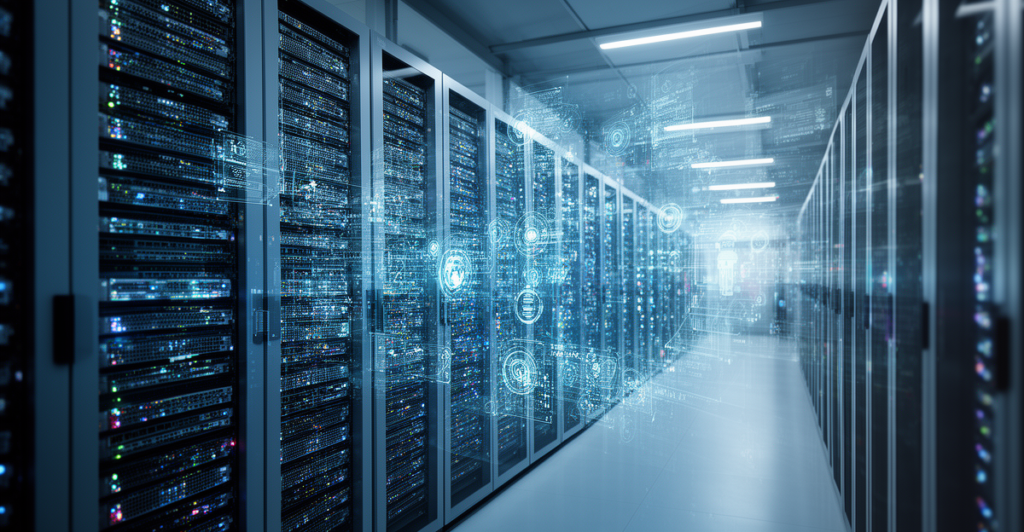
If you’re working in IT operations or asset management like I am, you’ve probably faced the pain of outdated spreadsheets, disjointed inventory reports, and hardware that seems invisible once it leaves the storeroom. Static inventories slow us down and keep us in the dark.
Traditionally, our physical IT assets – from servers and switches to edge devices – have been treated as passive entities. They’re deployed, logged once, and managed reactively. But in today’s dynamic environments, this model simply doesn’t scale.
Enter the concept of giving ‘hardware a pulse’. By layering real-time data, connectivity, and automation onto once-static inventory, we’re stepping into a new era of visibility and control. It’s not just about knowing what hardware we have, but understanding how, where, and why it’s being used – all in real time.
In this article, I’ll unpack how real-time hardware monitoring is transforming traditional asset management, what technologies make it possible, and what this shift means for IT professionals.
Whether you’re a systems admin like me or part of a larger infrastructure team, embracing this evolution is no longer optional – it’s strategic.
From Static Records to Smart Infrastructure
Historically, maintaining hardware meant relying on manual inputs and static CMDBs (Configuration Management Databases). These tools could tell you what was purchased, but not whether it was still in use, moved to another rack, or even still powered on.
Now, with embedded sensors, smart labels, and connected firmware, our infrastructure can report back to us automatically. This creates a living, breathing environment that goes way beyond inventory checklists.
This transition marks the foundation of intelligent infrastructure – an environment where every component contributes live operational data.
- Static inventory leads to blind spots and inefficiencies
- Real-time telemetry enables proactive decisions
- Connected hardware communicates usage, location, and performance
Real-Time Hardware Monitoring: How It Works
At its core, real-time hardware monitoring is a fusion of IoT, automation, and analytics. Embedded technologies capture device health, environmental stats, and usage patterns, then feed that data back into centralized systems – often via APIs or agentless collection.
This approach supports IT environments across physical, virtual, and hybrid setups. More importantly, it eliminates guesswork.
From the front-end interface, what we see is a dashboard. But under the hood? It’s a continuous feedback loop between the asset and our management platforms.
- Sensors track temperature, uptime, power status, and more
- QR or RFID tags simplify location tracing
- API integration connects hardware data to CMDB or ITSM tools
Benefits Across Asset Lifecycle and Operations
Bringing ‘pulse’ to assets creates value at every stage of the hardware lifecycle, from deployment to decommissioning. Decisions get smarter, faster, and more cost-effective, without sacrificing control or compliance.
For senior admins and IT leaders alike, this shift isn’t just about visibility – it’s about measurable impact.
- Enhances IT asset tracking and reduces loss or misplacement
- Supports lifecycle audits and warranty validation
- Improves energy efficiency by identifying underused gear
- Speeds up incident response with live status feeds
Inventory Management Automation in Practice
Automated inventory management is no longer a luxury. With the right toolset, infrastructure teams can auto-discover devices, track changes, and generate reports with zero manual input.
I’ve seen cases where auto-updated asset states helped us avoid costly procurement errors and improved compliance with internal controls.
Automation also bridges gaps between IT, finance, and facility teams, aligning everyone with accurate, real-time views of what’s really on the floor.
- Triggers alerts when assets go missing or unresponsive
- Standardizes audit trails for governance reporting
- Reduces downtime by supporting preventive maintenance
Enabling Digital Transformation in IT
The shift to real-time asset intelligence is a key pillar of broader digital transformation in IT. As systems converge and cloud strategies evolve, our physical environments must keep pace.
Giving hardware a digital heartbeat helps us better align with DevOps practices, hybrid cloud agility, and zero-trust security models.
It also readies organizations for AI-augmented operations, where upstream data quality and real-time feedback are essential inputs.
- Aligns with cloud and edge computing strategies
- Supports predictive analytics and AI readiness
- Improves integration between ops, security, and finance functions
Frequently Asked Questions
It’s the continuous tracking of physical IT assets using embedded technologies that provide live updates on status, location, performance, and more.
Traditional inventories are static and manual. Real-time systems automatically update based on sensor and telemetry data.
Yes, many vendors offer add-on sensors, RFID tags, or agent-based monitoring to upgrade legacy systems.
Servers, networking gear, rack-mounted hardware, and mobile IT equipment are ideal candidates.
Live data creates a self-updating audit trail, reducing manual checks and improving accuracy in reporting.
Not at all. Even mid-sized IT teams can gain efficiency and insight by automating their hardware intelligence.
Next Steps
undefined