

Share this article

Table of Contents

Essential Healthy Food Tips for Australians

Table of Contents

Essential Healthy Food Tips for Australians

Key Takeaways

  • Embrace local and seasonal produce to enhance nutrition and support the local economy.
  • Mastering meal prep can help manage time and ensure a balanced diet.
  • Affordable food choices like grains and legumes can stretch your budget while providing essential nutrients.
  • Sustainable eating reduces environmental impact and promotes personal health.

Key Answer

Incorporating healthy food tips into your daily routine is achievable by choosing local Australian produce, embracing meal prepping, and focusing on budget-friendly, sustainable options.

In the hustle and bustle of modern Australian life, maintaining a nutritious diet can sometimes feel like a daunting task. However, with a few practical healthy food tips, individuals can transform their eating habits effortlessly. Prioritising locally available produce not only supports the community but also ensures fresher, more nutrient-dense meals. This article delves into sustainable and affordable food choices tailored to the Australian lifestyle, making it simpler for everyone to make healthier choices daily.

Embrace Local Produce

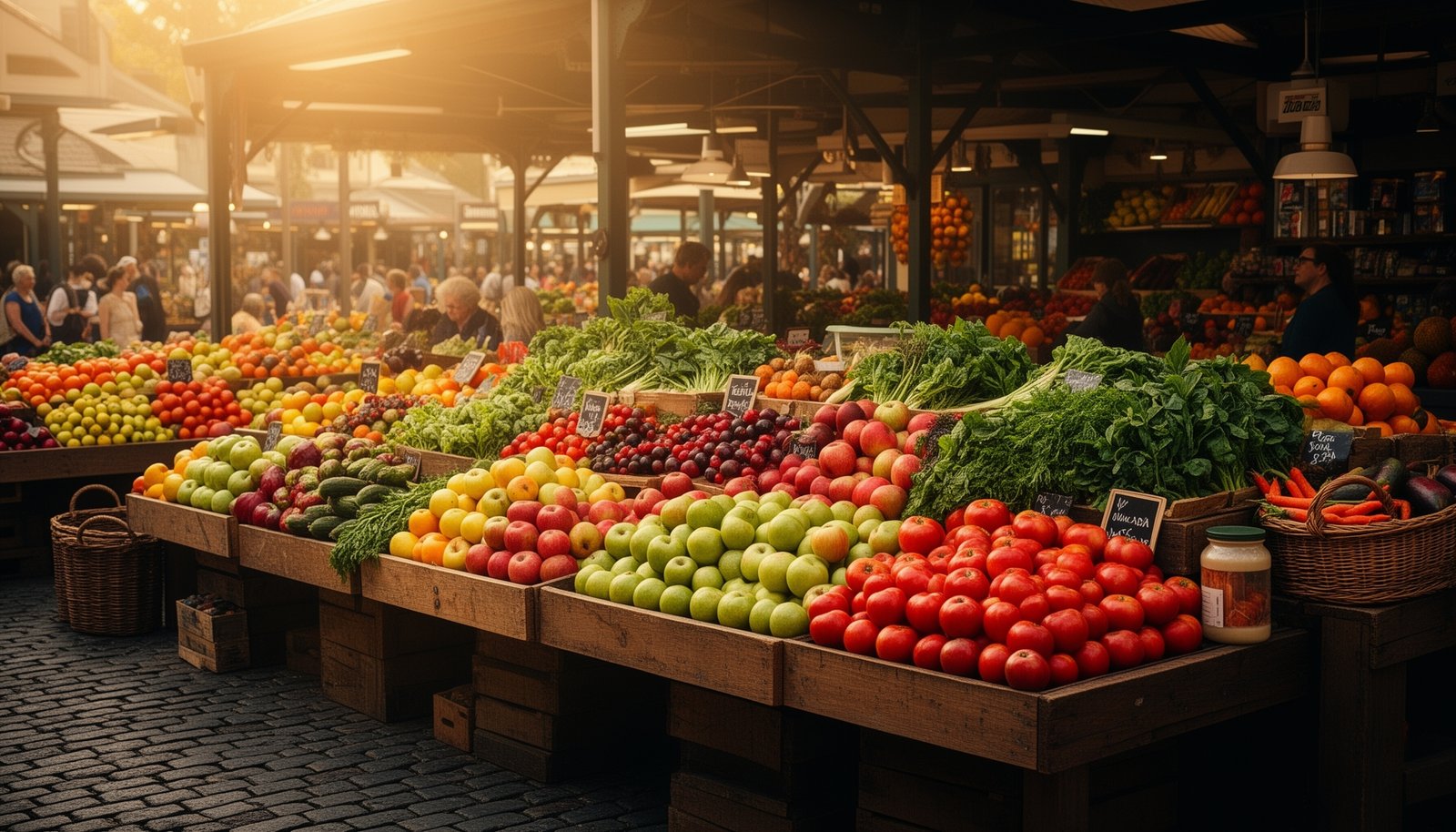
Australia is blessed with a vast array of fresh produce, from tropical fruits in Queensland to hearty vegetables in Tasmania. Incorporating locally grown foods into your diet is a straightforward way to enhance your nutrition while supporting Australian farmers. Local produce tends to be fresher, as it doesn’t travel far to reach your plate, retaining more nutrients.

Visiting a farmers’ market or subscribing to a local CSA (Community Supported Agriculture) box can expose you to seasonal varieties and encourage diverse meal planning. Seasonal eating not only ensures that the food is at its peak flavour but often offers the best prices.

Produce Best Season Benefits
Avocados Winter Rich in healthy fats and vitamins.
Blueberries Spring High in antioxidants.
Broccoli All year Packed with fibre and vitamins.
Sweet Potatoes Autumn Excellent source of vitamins A and C.

Mastering Meal Prep

Meal prepping is a game-changer for those striving to maintain a healthy diet amidst a busy schedule. By dedicating a few hours each week to prepare meals, you can ensure a balanced intake of nutrients without the daily hassle.

Start with simple staples like grains, proteins, and vegetables that can be mixed and matched throughout the week. For instance, quinoa, grilled chicken, and roasted vegetables can serve as a base for a variety of dishes. This not only saves time but also reduces the temptation to opt for unhealthy, quick-fix meals.

Food Item Preparation Tip Storage
Quinoa Cook in bulk and store in airtight containers. Up to 5 days in the fridge
Chicken Breast Grill and slice for salads or wraps. Up to 3 days in the fridge
Vegetables Roast with herbs for flavour. Up to 5 days in the fridge

Expert Perspective

Nutritionist

Incorporating these healthy food tips into daily life is more than just a nutritional upgrade; it’s a commitment to sustainable living and community support. By choosing local produce and focusing on meal prep, Australians can enjoy a diet that benefits both their health and the environment.

Affordable Healthy Choices

Eating healthy doesn’t have to break the bank. Opting for whole foods over processed ones is not only better for your health but often lighter on your wallet. Beans, lentils, and grains like rice and oats are inexpensive yet packed with nutrients.

Consider buying in bulk from local bulk food stores, which can significantly reduce costs. Additionally, planning meals around supermarket specials and in-season produce can further stretch your food budget without sacrificing quality.

Budget-Friendly Item Nutritional Benefit Cost-saving Tip
Lentils High in protein and fibre. Buy in bulk for discounts.
Brown Rice Good source of complex carbs. Purchase store brands.
Seasonal Vegetables Rich in vitamins and minerals. Look for weekly specials.

Sustainability and Seasonal Eating

Sustainable eating is about making choices that are good for the planet as well as your body. Focusing on seasonal produce reduces the carbon footprint associated with long-distance food transport. Additionally, eating more plant-based meals can lessen the environmental impact of your diet.

Incorporating local and seasonal fruits and vegetables in your meals is not only eco-friendly but also supports local economies. Explore creating a small herb garden or using a compost bin to minimise waste. Every small effort contributes to a healthier planet.

Integrating Fermented Foods

Gut health is gaining attention for its role in overall wellness. Fermented foods like yoghurt, sauerkraut, and kombucha introduce beneficial bacteria into the gut, promoting digestion and improving immunity. Including these in your diet can be as simple as having a daily serving of yoghurt or adding a spoonful of sauerkraut to your meals.

Many local artisanal brands offer high-quality fermented products at farmers’ markets. Trying different varieties can also add a new dimension of flavour to your meals, encouraging more adventurous eating while supporting gut health.

Frequently Asked Questions

Consider quinoa salads, grilled chicken wraps, or lentil soups for nutritious and speedy meals.

Focus on buying seasonal produce, whole grains, and legumes in bulk to save money while eating healthily.

Local produce is fresher, more nutritious, and supports local farmers, making it a healthier and more sustainable choice.

Fermented foods improve digestion, boost immunity, and add beneficial bacteria to the gut.

Meal prepping allows for efficient use of ingredients and reduces daily cooking time, thereby saving money and time.

Scroll to Top