
Switching to solar energy is more than just an eco-friendly move—it’s also a smart financial decision. Many homeowners and businesses are exploring how solar panels can save money over time.
While the initial setup may seem expensive, the long-term savings on electricity bills and the potential incentives make solar power a valuable investment.
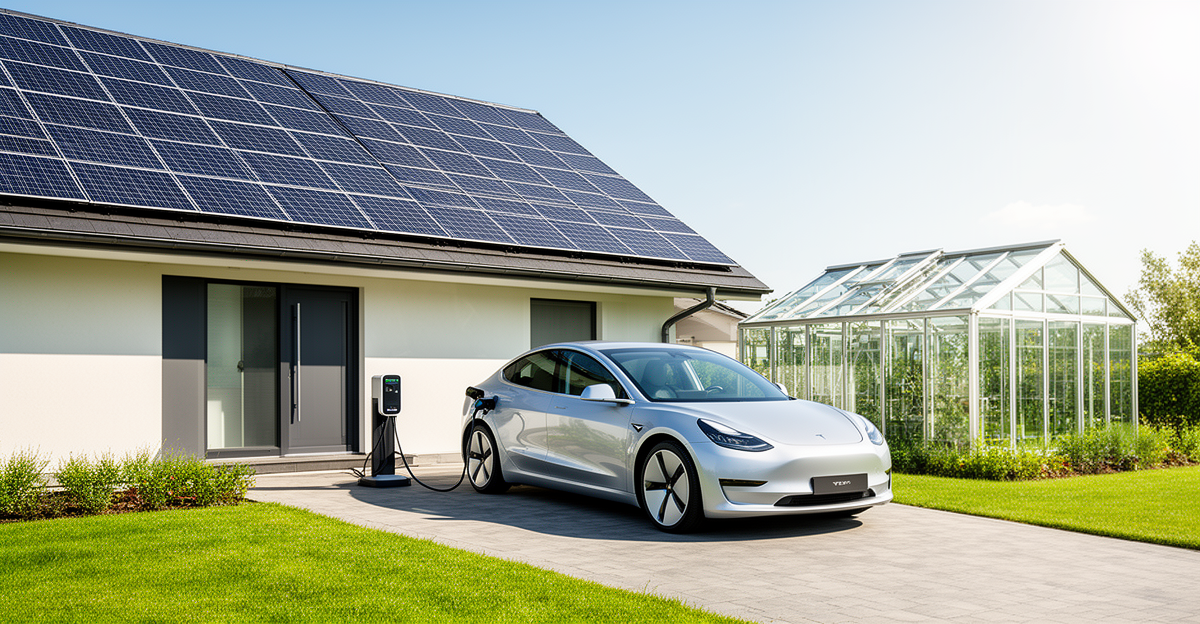
This guide will explain how to save money with solar panels, what kind of costs and savings to expect, and how emerging technologies like EV chargers and smart green houses enhance your investment.
If you’re wondering, ‘Do solar panels really save money?’—the short answer is yes, and we’ll show you how.
Let’s break down everything you need to know, including practical tips, savings calculations, and how to get the best return on your solar system.
Understanding Solar Panel Cost vs. Savings
Before diving into potential savings, it’s crucial to understand the upfront and long-term costs associated with solar panels.
A home solar system includes panel installation, inverters, wiring, and sometimes battery storage. While prices vary depending on region and system size, costs have dropped significantly in recent years.
More importantly, the electricity savings over time often surpass the initial investment—especially when combined with government incentives or rebates.
- Typical payback period: 5–10 years
- Federal and local incentives reduce upfront costs
- Solar energy lowers monthly power bills substantially
How Much Money Can Solar Panels Save?
The savings from solar panels depend on your electricity usage, location, and panel quality. On average, users save thousands over the lifetime of their solar system.
High solar exposure areas increase savings potential, and pairing solar with energy-efficient appliances or an EV charger expands your cost benefits even more.
Over 20 to 25 years—the average panel lifespan—these savings add up significantly.
- Estimated lifetime savings: $10,000–$30,000+
- Save more in regions with high electricity rates
- Solar systems paired with EV chargers reduce vehicle fueling costs
Choosing the Best Solar Panels for Saving Money
Not all solar panels are created equal. Choosing high-efficiency, durable panels ensures that you get the most value for your money.
Look for options with long-term warranties and strong performance ratings. The best solar panels for saving money may cost more upfront but offer superior long-term savings.
Also consider your system’s scalability—adding panels later, or integrating with battery storage or EV charging, can improve functionality without major changes.
- Look for panels with 20+ year warranties
- Higher efficiency = more energy per panel
- Brand reputation and support really matter
Tips to Maximize Savings with Solar Panels
Once you’ve installed solar, how you use energy at home can boost your savings. Smart energy habits help you maximize your solar return.
Using appliances during daylight hours, installing a smart green house to regulate indoor temperature, and integrating with a home energy management system can all contribute to efficiency.
Stored solar energy can also power your home or electric vehicle during peak utility pricing times, enhancing your overall cost-effectiveness.
- Use major appliances when the sun is shining
- Automate and monitor usage with smart green house tools
- Charge EVs during peak solar production times
Do Solar Panels Really Save Money? The Bottom Line
Yes, solar panels really do save money—but results vary based on how well your system is planned, installed, and used.
Pairing your solar investment with an EV charger and smart green house technologies can significantly increase the financial and environmental benefits.
Think of solar as part of a long-term energy strategy, not just a gadget—it requires some planning upfront but pays off in reduced bills, tax savings, and future-proofing your home.
- Savings depend on usage patterns and installation quality
- Technology integrations improve overall ROI
- Solar is a key part of sustainable money-saving strategies
Frequently Asked Questions
On average, solar panels can save homeowners $500 to $2,000 per year, depending on location, energy use, and system size.
Yes. Many countries offer tax credits or cash rebates—check with your local energy authority for updated programs.
Most homeowners recoup their costs within 5 to 10 years, after which they enjoy almost free electricity.
Absolutely. Charging your electric vehicle using solar reduces fuel costs and enhances system value.
Yes. These systems optimize energy use and climate control, making your home more efficient and maximizing solar benefits.
Maintenance and inverter replacements can incur costs, but these are usually minor compared to lifetime savings.
In many areas, yes. Homes with solar are more attractive to buyers and often sell for more.