
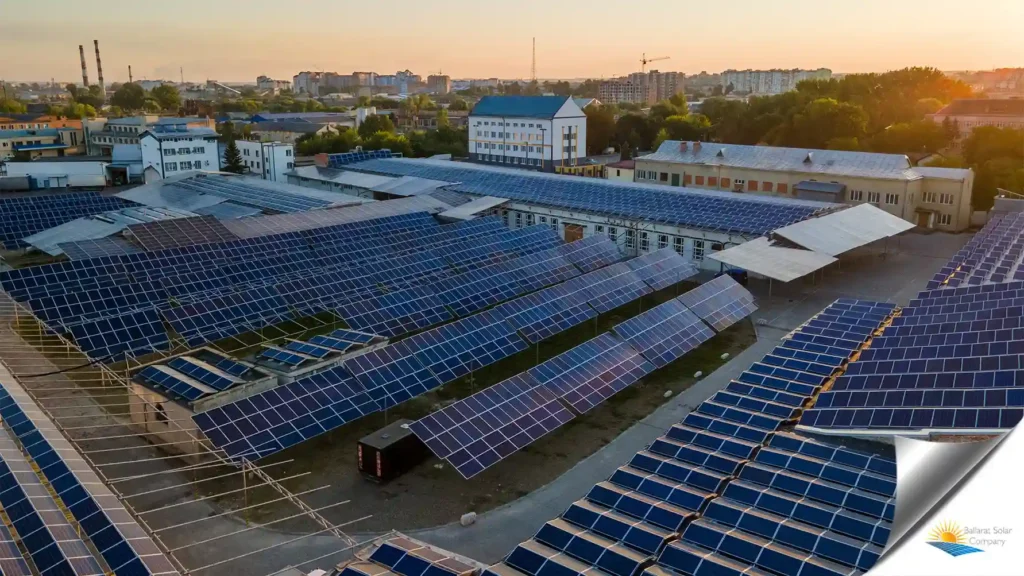
As pressure grows on businesses to reduce their energy bills and environmental impact, solar panels have become an increasingly smart investment. One of the biggest advantages of solar systems is that they help save energy from the grid, reducing operational costs and reliance on fossil fuels.
This is especially true in sun-rich climates like Australia’s, where commercial buildings can benefit from high levels of solar exposure throughout the year. Solar panels convert this abundant resource into usable electricity for lighting, cooling, and daily operations.
But how exactly do solar panels save energy, and what makes them such a powerful tool for commercial properties? In this article, we’ll break down the key benefits, challenges, and practical outcomes of installing solar in a commercial environment.
From cost-saving potential to energy reporting and sustainability, we’ll explore what businesses need to know before making the switch to clean solar energy.
How Solar Panels Work to Save Energy
Solar panels generate electricity by converting sunlight into direct current (DC) power. An inverter then changes this into alternating current (AC), which can be used to power your building’s electrical systems.
When a commercial solar system produces more electricity than is immediately needed, the excess is either stored in batteries or exported back to the grid, depending on the setup and local regulations. This cuts down your dependence on grid-supplied electricity, saving energy and reducing bills.
- Panels produce clean, renewable energy directly from sunlight
- Electricity powers lighting, HVAC, and other commercial systems
- Surplus energy may be exported or stored for later use
- Reduces grid demand during peak hours
Benefits of Solar Energy for Commercial Properties
Businesses stand to gain substantial long-term value from investing in solar. Not only does it reduce operating expenses, but it also positions companies as environmentally responsible in an increasingly sustainability-conscious market.
In Australia’s sunny climate, solar can meet a large portion of daily commercial energy needs.
- Lower electricity costs, especially during peak usage times
- Stable energy outputs in sunny climates
- Reduced carbon footprint and public environmental impact
- Potential eligibility for renewable energy incentives
Clean vs. Traditional Energy Sources
Solar is one of the most accessible clean energy options available today. Unlike fossil fuels, it produces no emissions when generating electricity, making it a key part of moving toward a net-zero future.
When compared with other renewable energy sources like wind or biomass energy, solar is uniquely scalable and ideal for rooftop setups, especially in urban or commercial zones.
- Solar is emission-free during operation
- No fuel transportation or combustion involved
- Works well in urban or developed zones with ample sunlight
- Minimal maintenance compared to traditional power sources
Challenges and Disadvantages to Consider
While commercial solar has many upsides, it’s important to acknowledge some limitations. Like all systems, solar energy has both advantages and disadvantages depending on your needs and location.
Considerations like upfront cost and installation space must be factored into planning, especially for large-scale operations.
- High initial investment compared to grid electricity
- Performance varies with weather and shading
- Energy storage systems raise setup costs
- May require structural upgrades for panel support
Measuring Energy Savings and Performance
Monitoring energy performance is essential for getting the most out of a commercial solar installation. Businesses often rely on energy reports to track return on investment, identify usage trends, and maintain efficiency.
Some companies also publish data in industry reviews or partner with journals like the solar energy journal to share findings and support the clean energy movement.
- Smart inverters and apps track live energy usage
- Monthly energy reports show grid savings and output
- Helps identify system health or maintenance needs
- Supports sustainability reporting and marketing
The Future of Commercial Solar Energy
With research continuing into alternative energy breakthroughs, the future of solar looks brighter than ever. Battery storage is becoming more efficient, panels are more durable, and smart systems allow better control over usage.
Businesses that invest early in renewable technologies position themselves ahead of regulatory and market shifts.
- Emerging solar tech offers better efficiency
- Integration with smart building systems
- Growing demand for clean, traceable energy
- Supports long-term energy independence
Frequently Asked Questions
They reduce the amount of electricity a business needs from the grid by generating power directly from sunlight.
Yes, though output is reduced. Panels still generate electricity even on overcast days, just not at full efficiency.
High upfront cost, reliance on sunlight, and space requirements are some common challenges.
In many cases, yes. It depends on the system size, building usage, and local sunlight conditions.
No. They require occasional cleaning and periodic checks to ensure optimal performance.
It can be more predictable in sunny regions, especially when paired with battery storage solutions.
Most commercial systems come with monitoring tools that show daily, monthly, and annual performance.
Next Steps
undefined