
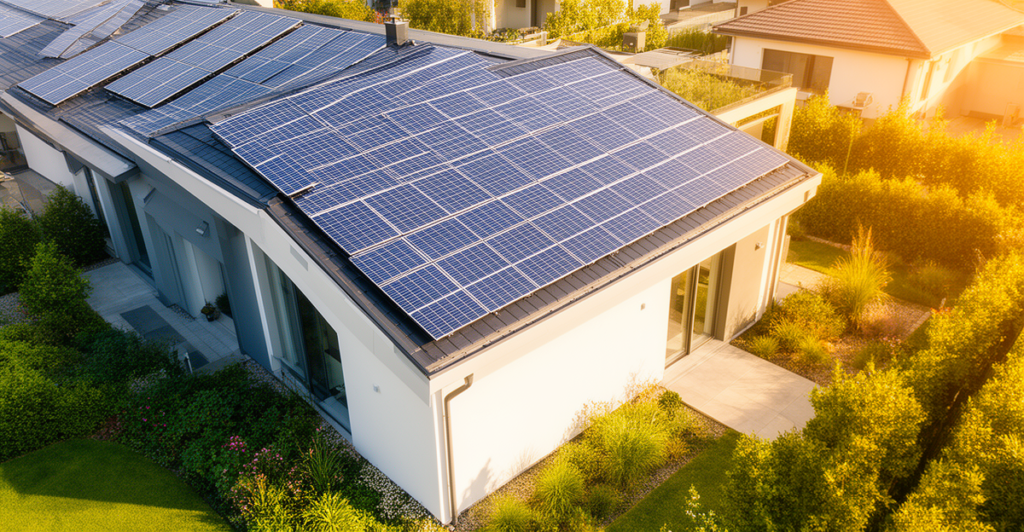
Switching to solar energy isn’t just good for the planet – it can also be a smart financial move. As electricity rates continue to rise, many homeowners are looking at solar panels as a way to cut down on utility bills.
The key question most people ask is: do solar panels really save money? The answer is yes, but how much you save depends on several factors, including where you live, your energy usage, and how your system is installed and financed.
This article will walk you through how solar panels provide financial benefits over time, what you should consider before investing, and how to get the most savings from your system.
We’ll also look at popular solar incentives, recent policy changes, and tips on choosing the right provider – especially with options like Voltex solar specials and Moxie Solar in North Carolina.
Whether you’re new to solar energy or comparing your installation choices, understanding the money side is essential. Let’s dive in.
Why Solar Panels Lower Your Electric Bills
At their core, solar panels generate free electricity from sunlight. Once installed, this means your home uses less power from the grid, directly reducing your monthly utility bill.
Depending on your local electricity rates and how much sunlight your area receives, your solar system can significantly offset your energy costs. Over the lifespan of a system (typically 25+ years), those savings add up fast.
- Solar panels generate electricity from sunlight, lowering grid reliance
- The more you produce and consume, the greater your savings
- Time-of-use billing can increase savings during peak hours
- Net metering allows credits for excess energy sent to the grid
Understanding the Long-Term Financial Benefits
While the upfront cost of installation can be significant, solar panels are a long-term investment. Homeowners often break even within 6 to 10 years depending on local costs and incentives.
Over 25 years, solar panels often deliver tens of thousands in net savings, especially where incentives exist. Even when factoring in maintenance or system replacements, the return is strong.
- Returns increase with rising energy prices
- Solar adds property value without increasing your annual taxes in some regions
- Loan or lease options can reduce upfront costs while spreading payments
- Check recent reviews or ratings like Code Blue Solar BBB for provider trust
How to Maximize Financial Savings from Solar Panels
Getting the most value from your solar installation means optimizing your system and how you use energy in your home. Start by ensuring your panels get the best possible exposure to sunlight throughout the day.
Also, consider household usage patterns. If you can use more power during sunny hours and less at night, you’ll rely less on grid electricity.
Indoor light through windows isn’t strong enough to power solar panels, which is why understanding what is direct sunlight indoors matters only for lighting, not panel placement.
- Install panels in areas with maximum direct sunlight and limited shade
- Clean panels regularly to maintain efficiency
- Use high electricity appliances during the day
- Look into how to maximize solar energy with home energy storage if available
Incentives, Referrals, and Policy Trends
Government incentives can significantly lower the net cost of solar installations. These include tax credits, state rebates, and utility buyback programs.
However, programs can change. For example, the solar rebate reduction 2020 impacted savings for many regions. Always research what’s currently available in your area.
Some solar companies also offer referral bonuses. Programs like solar negotiators referral can reward both new and existing customers for spreading the word.
- Check for federal and state tax credits
- Explore limited-time deals like Voltex solar specials
- Ask about referral rewards to offset costs
- Read independent insights like US solar market insight 2018 to understand trends
Choosing the Right Solar Provider
Not all solar installers are the same. Choosing a reliable, experienced provider ensures your system works efficiently and that you’re covered for future maintenance.
Be cautious with companies shutting down or going through transitions. For example, Code Green Solar closing left some customers without immediate support.
Look for installers with strong local presence, such as Harbor Solar North Carolina or Moxie Solar North Carolina, and check third-party reviews.
- Verify installer credentials and customer feedback
- Ask about warranty coverage and system performance guarantees
- Choose companies with long-term presence and support plans
- Use trusted sources like Code Blue Solar BBB to research company reputation
Frequently Asked Questions
Yes. They reduce your electricity bills and can save tens of thousands over 25 years, depending on your usage and location.
Most homeowners recover their investment in 6 to 10 years, faster if incentives or high energy rates apply.
Yes. Financing spreads out the cost while still letting you save compared to traditional electric bills.
Factors include your local sun exposure, utility rates, system size, and available rebates or net metering policies.
Often, yes. Homes with solar systems can sell for more, especially if buyers can inherit low electricity costs.
Only if you have battery storage. Standard systems shut off for safety when the grid goes down.
Next Steps
undefined