
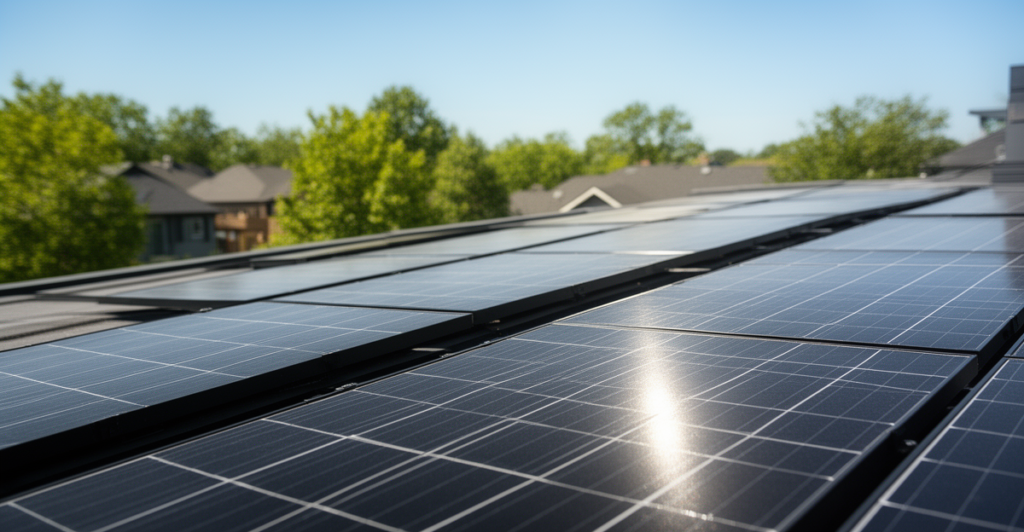
Switching to solar energy is more than just a sustainable choice – it can also lead to significant savings. Whether you’re a homeowner or a business owner, the growing affordability and efficiency of solar panels make them a smart long-term investment.
With electricity prices on the rise, more people are turning to solar as a way to secure consistent energy costs. But how exactly do solar panels help you save money?
In this article, we’ll break down the key ways solar panels reduce your energy costs, the financial factors to consider, and how to get the most value from your installation.
We’ll also touch on real-world options and programs like Voltex solar specials and referrals through Solar Negotiators. If you’re considering solar, this guide will help you make a fully informed decision.
Let’s explore how solar power can impact both your utility bill and your long-term financial outlook.
Why Solar Panels Lower Your Electricity Bill
The most direct way solar panels save money is by reducing your utility bill. Once installed, your panels generate electricity using sunlight, which offsets the amount of power you need to buy from the grid.
Depending on the size of your system and how much sun your location gets, you could cut your monthly electricity costs by 50% or more. Over time, these savings add up and can more than pay for the initial cost of installation.
- Offset daily energy usage with solar generation
- Net metering can give credits for excess power sent back to the grid
- Reduces dependence on fluctuating utility rates
Understanding the Upfront Costs and Payback Period
Going solar requires an upfront investment, but the payback period is often shorter than people expect. The total cost depends on system size, hardware quality, labor, and regional factors.
Many states offer incentives or financing options to reduce this burden. However, with programs like the solar rebate reduction in 2020, it’s important to research current offers carefully.
- Typical payback period is between 6 to 10 years
- Financing options can include leases, loans, and PPAs
- Check for local programs like Voltex solar specials for added savings
Long-Term Financial Benefits of Going Solar
After your solar system is paid off, the energy it produces is essentially free. Over a 25-year lifespan, this can translate into tens of thousands of dollars in savings.
Solar panels can also increase a property’s resale value. Many buyers are drawn to homes that offer lower energy costs and sustainable technology.
- Saves money year after year once the system is paid off
- Adds value to your home or commercial property
- Reduces risk of rising energy rates over decades
Maximizing Your Solar Investment
To get the most from your system, you need to monitor performance and adjust usage habits. Knowing how to maximize solar energy can significantly improve your ROI.
Energy efficiency upgrades can also complement your solar power setup. Smart thermostats, LED lighting, and energy-efficient appliances can all help reduce total consumption.
- Track energy production with system monitoring tools
- Use solar power during peak sunlight hours when possible
- Combine with home energy updates to boost overall efficiency
Evaluating Installers and Programs
Not all solar companies are the same, so it’s essential to choose a reliable provider. Look at third-party reviews (like the Code Blue Solar BBB profile) and ask for referrals. Programs like the Solar Negotiators referral network can help you connect with trustworthy installers.
In regions such as North Carolina, providers like Moxie Solar and Harbor Solar are growing options. Keep in mind that some companies, like Code Green Solar, have closed, so staying informed is key.
- Check company status and reputation before committing
- Look for partner programs that offer bonuses or lower pricing
- Ask about past projects and post-installation support
Looking at the Bigger Picture: The Solar Market
Understanding trends in the industry can help you time your solar investment better. Reports like the US Solar Market Insight 2018 show how the sector has evolved and where it’s heading.
Consider planning around key events like the solar integration window (June 3-6) if you’re part of a regulated grid or utility coordination is needed.
- Stay informed about national and local solar trends
- Watch for deadline-limited integration dates or rebates
- Use market insights to guide smart timing and financing
Frequently Asked Questions
Yes. Solar panels reduce your electricity bills and provide long-term savings, especially after the system pays for itself.
Savings vary, but many homeowners save 50% or more on energy bills, depending on system size and usage.
Incentives have changed since the solar rebate reduction in 2020, but many regions still offer programs. Check local and federal options.
Minimal maintenance is needed. Occasional cleaning and annual inspections are usually enough to keep them efficient.
Look for companies with strong customer reviews, valid certifications, and transparency. Referral programs can help you find trusted providers.
Net metering lets you earn credits for excess power your system sends to the grid. These credits help offset your usage during non-sunny hours.
Yes. Solar panels still generate power on cloudy days, and cold weather can actually improve panel efficiency.
Next Steps
undefined