
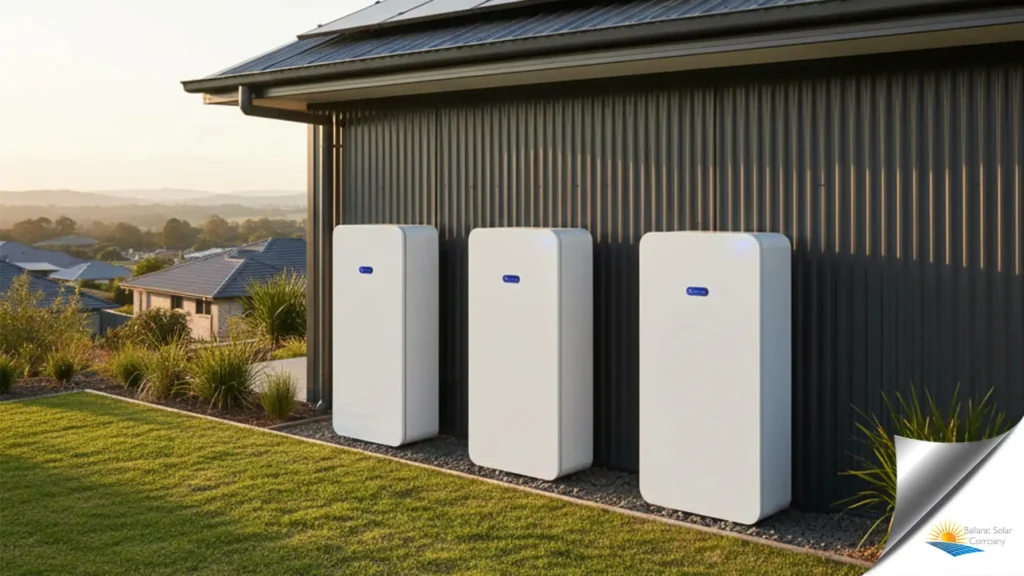
Switching to solar energy isn’t just about going green — it’s a practical decision that can help you save money in the long run. As electricity rates rise, more homeowners are exploring how solar power can offer financial benefits while also reducing their dependence on traditional energy sources.
But there’s more to the story. A solar-powered home can also work more efficiently with smart technology, helping you save both time and energy. Smart homes and solar power make a natural pair, offering intelligent ways to manage consumption and costs.
Whether you’re trying to cut expenses, reduce your carbon footprint, or simplify daily life, solar energy can be a key part of the solution. This article explores how solar power can save you money now and in the future — and how smart home systems can amplify those savings.
How Does Solar Power Save You Money?
Solar power lowers your electricity bill by generating energy from sunlight, which means you consume less from the grid. This leads to consistent long-term savings, especially in sunny regions or homes with high energy use.
Over time, the initial investment in solar panels often pays for itself through reduced utility costs. Many homeowners start to see a return on their investment within a few years.
- Cuts or eliminates monthly energy bills
- Protects against rising electricity prices
- Increases property value in many markets
- Eligible for tax credits and incentives in some locations
The Financial Impact Over Time
While the upfront cost for solar panel installation can seem high, the savings build steadily. Systems can last 25 years or more, providing decades of reduced bills.
Many regions also offer net metering, where unused solar power is sent back to the grid, earning you credits that offset future usage. This can make your total savings even higher.
- Break-even point typically between 5–10 years
- Net metering programs can maximize energy value
- Low maintenance costs after installation
Smart Homes and Solar: A Perfect Match
In a smart house, solar power isn’t just about saving money — it’s about optimizing when and how power is used. Smart technology can automate appliances, lighting, and heating to reduce energy waste.
When layered with solar, smart systems can time activities like running the dishwasher or charging electric vehicles during peak sunlight hours, which makes the system even more efficient.
- Automatic energy optimization with solar usage
- Smart thermostats reduce heating and cooling costs
- Energy monitoring apps track savings in real-time
- Smart homes save time by automating daily tasks
Things to Consider Before Going Solar
Before making the switch, consider your roof space, local sunlight hours, and electricity needs. These are key factors in how much solar energy your home can generate.
Also look into government or local incentives, which can reduce the upfront cost. A qualified solar installer can help you evaluate the best system size and financial options for your situation.
- Check for roof support and shade issues
- Review available solar incentives or rebates
- Compare financing vs. purchasing options
- Work with certified solar professionals
Future-Proofing Your Home and Lifestyle
Investing in solar and smart home upgrades future-proofs your home. It reduces your environmental impact and prepares you for changes like energy shortages or fossil fuel price hikes.
As more devices become connected, powering them with clean energy will be an essential part of sustainable living.
- Reduces reliance on traditional energy grids
- Supports energy independence
- Compatible with electric vehicle charging stations
- Adds smart integrations as technology evolves
Frequently Asked Questions
Yes, in many cases homeowners can reduce their energy bills significantly or eliminate them entirely, depending on the size of the system and energy usage.
Most homeowners reach their break-even point between 5 and 10 years after installation, depending on local energy costs and incentives.
Smart homes automate daily energy-intensive tasks and schedule them for when solar output is highest, saving both time and electricity.
Not at all. Most solar systems require minimal maintenance and come with warranties that last 20–25 years.
Your home draws power from the grid when solar panels aren’t producing. You can also install batteries to store excess energy for later use.
Yes. Homes with solar panels often have higher resale value and attract buyers looking for energy efficiency.
Only if the property owner agrees. Renters may benefit more from portable solar or energy monitoring devices.
Next Steps
undefined