
Air pollution is a growing concern that affects both the environment and human health. Knowing how to prevent from air polution is essential to create healthier surroundings and improve quality of life. This article covers practical ways you can contribute to reducing air pollution.
Air pollution and its effects include respiratory problems, environmental damage, and reduced visibility. By understanding these impacts, we can all take meaningful steps to improve air quality around us.
There are many ways to reduce air pollution, ranging from changes in daily habits to supporting larger community efforts. The good news is that small changes, when done collectively, make a significant difference.
Common Causes of Air Pollution
Air pollution stems from several sources, often linked to human activities. Understanding these causes helps focus efforts on prevention and reduction.
The main contributors include exhaust from vehicles, emissions from factories, burning of fossil fuels, and even some natural events like wildfires and dust storms. Outdoor air pollution is reduced when we limit these pollution sources.
- Vehicle emissions releasing harmful gases
- Industrial factories producing smoke and chemicals
- Burning coal, oil, and gas for energy
- Construction sites raising dust
- Natural occurrences like wildfires and volcanic activity
Ways to Prevent and Reduce Air Pollution at Home
Many of us can take steps in our daily lives to reduce pollution. Simple actions at home and around the neighbourhood help lessen the overall pollution load.
By adopting eco-friendly habits, you improve your own indoor air quality and contribute to cleaner outdoor air.
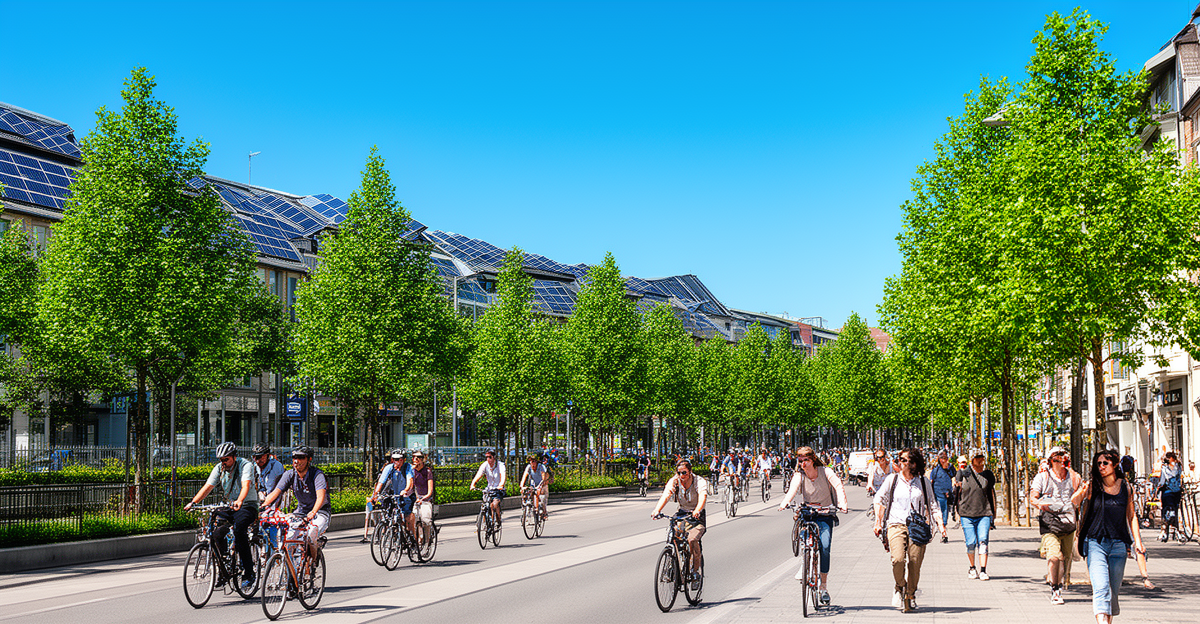
- Use public transport, cycle, or walk instead of driving
- Reduce energy use by switching off lights and appliances when not needed
- Avoid burning rubbish or garden waste
- Choose energy-efficient appliances and light bulbs
- Plant trees and maintain gardens to absorb pollutants
How Industrial and Community Actions Help Reduce Air Pollution
Large-scale efforts are vital to prevent air pollution from factories and urban areas. Regulations and improved air pollution control technology make an important difference.
Communities supporting cleaner public transport and better waste management also help lower harmful emissions and protect health.
- Industrial facilities adopting cleaner production methods
- Governments enforcing air quality guidelines 2021 and related standards
- Investing in renewable energy sources instead of fossil fuels
- Improving public transport infrastructure to reduce vehicle use
- Educating the public on pollution effects and prevention
Effects of Bad Air Quality on Human Health and the Environment
Air pollution impacts the respiratory system, increases the risk of heart disease, and worsens conditions such as asthma. Children and the elderly are particularly vulnerable.
The environment also suffers. Pollutants affect plants, animals, and water quality, disrupting ecosystems and reducing biodiversity.
- Increased respiratory illnesses and hospital visits
- Higher risk of chronic diseases such as lung cancer
- Damage to crops and forests
- Acid rain harming aquatic life
- Climate change effects due to greenhouse gases
Simple Lifestyle Changes to Help Improve Air Quality Outdoors
Everyone can play a part in improving air quality outdoors by making conscious choices. These small changes collectively help reduce the overall pollution and protect community health.
Outdoor air pollution is reduced when fewer cars are on the road and less waste is burnt openly.
- Carpool or use shared transport options
- Limit use of petrol-powered garden tools
- Avoid outdoor burning of leaves, rubbish or plastics
- Support local policies for cleaner air
- Join community tree planting events
Frequently Asked Questions
Using public transport instead of driving and reducing energy consumption at home are two simple ways.
Some areas face growing air pollution due to urban growth, but efforts to control it are also increasing worldwide.
It can cause respiratory issues, worsen allergies, and increase the risk of heart disease and lung cancer.
Factories emit smoke and chemicals that contribute to air pollution if not properly controlled.
Yes, trees absorb carbon dioxide and other pollutants, improving air quality.
It includes methods and devices used by industries to limit harmful emissions into the air.
Next Steps
Interested in making a difference? Download our checklist on practical daily actions to prevent air pollution and help create a cleaner, healthier environment around you.