
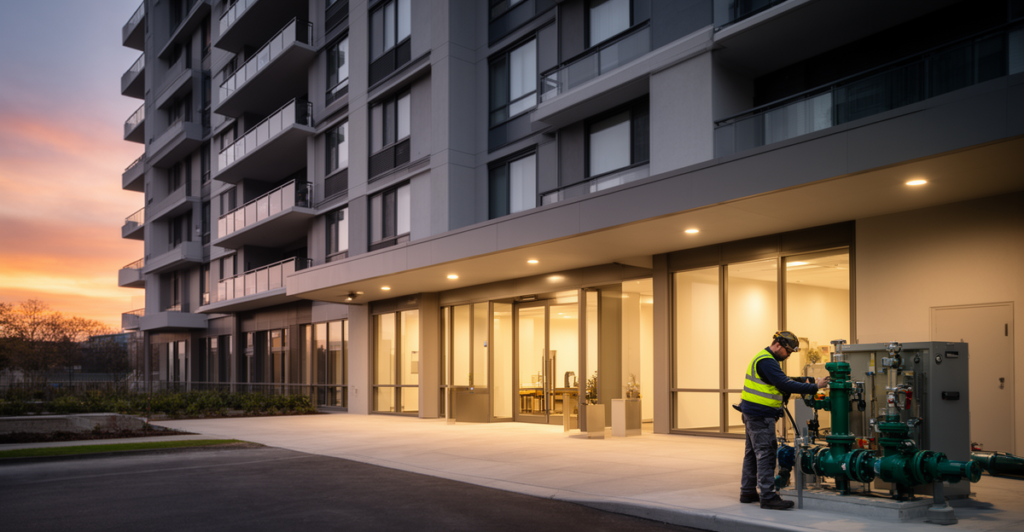
Frequent emergency maintenance call-outs can disrupt building operations, frustrate residents, and inflate operating budgets. For strata and building managers, balancing fast service with manageable costs is a constant challenge.
The good news? Many emergency repairs can be avoided with proactive processes and clear communication. Reducing urgent calls doesn’t mean reducing service quality—quite the opposite. Prevention supports both reliability and tenant satisfaction.
In this guide, we’ll explore practical strategies to reduce after-hours emergencies, including maintenance planning, resident education, triage flows, and real-world prevention examples.
Use this as a blueprint to streamline your building maintenance while keeping service standards high.
What Causes Frequent Emergency Maintenance in Apartments?
Emergencies don’t happen out of nowhere. Many late-night call-outs stem from avoidable issues that have been overlooked during routine operations. By understanding what drives these situations, managers can target the underlying problems.
Here are the common causes behind repeated emergency requests in apartment buildings.
- Lack of regular preventative inspections (e.g. pumps, access systems)
- Residents unaware of how to handle non-critical issues
- Neglected wear-and-tear on key infrastructure (e.g. lighting, plumbing)
- Aging equipment not flagged early via testing or tracking
- Communication delays between residents and maintenance teams
Start With a Clear Triage Process
Before dispatching anyone, use a simple triage flow to assess the situation. This reduces false alarms and prioritizes real emergencies.
Train residents or after-hours call handlers to ask these basic questions. This helps prevent unnecessary call-outs and gives contractors a clearer scope when they are dispatched.
- Is anyone in danger or at risk of injury?
- Is the issue contained or still escalating (e.g. active water leak)?
- Can the issue wait until regular business hours?
- Has this problem been reported before?
- Can it be temporarily managed by the resident (e.g. switching off a light or valve)?
5 Common Call-Outs and How to Prevent Them
Many common emergencies come from patterns that can be predicted—and interrupted. Here are five frequently reported issues and what typically prevents them.
- Blocked drains: Regular jetting of main lines and educating residents on what not to flush can prevent backups.
- Water leaks: Routine inspections of flexi hoses, valves, and wet areas catch small issues before they escalate.
- Faulty lights in common areas: Implementing a scheduled bulb check or sensor testing every few weeks helps spot failures early.
- Security door failures: Preventative servicing of motors, card readers, and hinges every 6–12 months greatly reduces door issues.
- Non-working pumps: Adding low-level alarms and monthly operational checks catches strain before full breakdowns.
Create and Stick to a Preventative Maintenance Schedule
Preventative maintenance is your best defence against urgent repair needs. While it does take planning, the payoff in costs and reduced disruptions is significant.
Build a schedule that covers essential plant and infrastructure and base frequency on asset condition, manufacturer guidance, and past history.
- Test sump and stormwater pumps monthly
- Check access and security systems every quarter
- Service HVAC and ventilation equipment bi-annually
- Inspect wet seals and roof membranes before each season
- Document everything—this builds a long-term maintenance record
Improve Resident Communication and Reporting
A big driver of after-hours calls is confusion or lack of information. Helping residents better understand processes—and their role—reduces avoidable panic calls.
Simple information guides and digital tools can clarify how and when support is available.
- Share a ‘What’s an Emergency?’ checklist with all residents
- Provide step-by-step reporting instructions in welcome packs
- Use a digital portal or app to log and track issues
- Send seasonal updates (e.g. how to avoid drain or HVAC problems)
- Clarify response times and escalation procedures
Review Call-Out Data to Spot Trends
If you want to reduce emergency calls, start with your data. Your own building’s history often holds the answers.
Log every emergency ticket with detail. Monthly or quarterly reviews can help identify root causes, recurring locations, or even contractor response gaps.
- Create a register of after-hours incidents with timestamps and outcomes
- Tag each issue with a preventable, semi-preventable, or unavoidable label
- Use graphs or dashboards to see seasonal spikes
- Follow up repeat call-out types with targeted prevention campaigns
- Involve contractor feedback to refine future responses
Frequently Asked Questions
Typically blocked drains, water leaks, lighting failures, door system faults, and non-working pumps top the list.
Consistent preventative maintenance, resident education, and a clear reporting and triage system are key.
That depends on the strata rules, but building managers should educate residents on what’s urgent and what’s not.
Use the triage questions—assess danger, urgency, whether it’s contained, and if the issue has been reported before.
Yes. Reducing emergencies through planning and communication actually improves reliability and responsiveness.
At least annually, but ideally every quarter to account for seasonal changes and equipment age.