
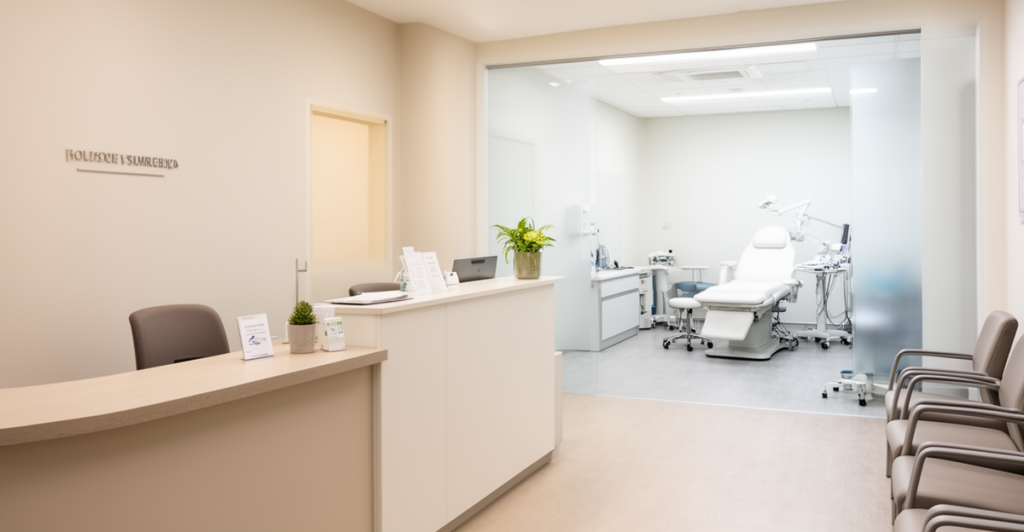
Starting a medical clinic is a significant entrepreneurial step that blends business acumen with a commitment to healthcare. Whether you’re a physician, nurse practitioner, or an investor aiming to improve community health services, launching a clinic involves more than just renting a space and hiring staff.
Healthcare providers must navigate strict laws, cooperate with hospitals when necessary, and ensure compliance with service standards. Handling these complexities from day one can save you from costly delays or operational headaches down the road.
This guide will walk you through everything you need to know about how to start a medical clinic — from legal requirements and licensing to facility planning and best practices. With a well-structured plan and clear compliance knowledge, you can set up a successful, ethical, and sustainable clinical practice.
Whether your clinic will be independent or integrated with hospital services, the steps outlined here will help you move forward confidently and legally.
1. Plan Your Medical Clinic Setup
Every successful clinic begins with a clear, actionable plan. This not only attracts partners and investors but also helps you align your clinic’s mission with local healthcare needs. Planning extends beyond writing a business plan—it includes understanding how your clinic will interact with hospitals, emergency services, lab vendors, and referral networks.
Take time to define your specialty, target population, and service offerings. This clarity will help you comply with health system protocols if your clinic partners with hospital networks or insurance providers.
- Choose service offerings (e.g., general practice, pediatrics, dermatology)
- Identify your target patient demographics
- Study population health data for your region
- Evaluate clinic-site options close to hospitals (if needed)
- Survey potential referral partnerships and lab services
2. Fulfill Legal and Licensing Requirements
Before opening your doors, you must meet national and local health regulations. This includes medical clinic licensing, compliance with infection control standards, and insurance setup. If you intend to work with hospitals or outsource procedures, you also need to meet their credentialing and service contracts.
These legalities vary depending on location, so consult healthcare attorneys and local health departments early in the process.
- Register your business entity (LLC, Corporation, etc.)
- Apply for your medical clinic license through health authorities
- Secure liability and malpractice insurance
- Comply with building codes and accessibility laws
- Obtain provider numbers for billing (e.g., Medicare/Medicaid)
3. Build a Team and Define Clinical Roles
Great healthcare depends on great staff. Your team should include licensed professionals, administrators, and support personnel. When working with hospitals, clinical staff must also meet their credentialing standards and pass background checks.
Clearly define your organizational structure, from physicians and nurses to billing coordinators and front-desk staff. Culture, ethics, and training should align with healthcare laws and patient care standards.
- Hire physicians, nurse practitioners, and qualified clinicians
- Recruit administrative support and billing professionals
- Provide HIPAA and compliance training
- Set up a referral protocol for hospital transfers or consults
- Create job descriptions and performance standards
4. Set Up the Clinic Facility and Equipment
Design your clinic for function, safety, and comfort. Space planning is crucial—each area must comply with hospital-grade hygiene standards and patient flow rules. If your clinic connects with a local hospital, your setup must enable smooth patient handoffs or shared services.
Invest in quality medical equipment, electronic health records (EHR), and other infrastructure early on. Choose suppliers with experience in regulated environments.
- Lease or build your clinic property
- Install medical-grade equipment and furniture
- Set up EHR systems and secure data protocols
- Ensure infection control measures and clean zones
- Design accessible areas for patients with disabilities
5. Create a Sustainable Operations and Marketing Plan
Even the best-equipped clinics need a long-term operations plan. This includes staffing schedules, compliance checks, hospital coordination (if applicable), and financial management. You also need a marketing plan to attract new patients, possibly aligned with public health campaigns.
Be prepared to adapt services to regulatory changes or hospital network standards.
- Develop billing, scheduling, and patient intake workflows
- Create standard operating procedures for daily tasks
- Form referral agreements with hospitals and specialists
- Build a website and patient portal
- Use digital ads, online directories, and local outreach
Frequently Asked Questions
You need a business plan, proper licensing, medical staff, equipment, and compliance with healthcare laws.
Apply through your local health authority or medical board, and meet the regulatory, safety, and documentation requirements.
Not always. However, some clinics benefit from partnerships for referrals, emergency services, or laboratory support.
In some areas, yes. Non-physician owners may open a clinic but must hire licensed medical directors and providers.
Start with market research, licensing requirements, and choosing the type of services you will offer.
Depending on regulations and planning, it can take 6–12 months to fully open a functioning medical clinic.
Key issues include licensing, liability, HIPAA compliance, malpractice coverage, and service agreements with hospitals.