
Key Takeaways
- •Solar energy offers significant financial incentives and rebates, increasing ROI.
- •Shifting focus from feed-in tariffs to self-consumption can maximize savings.
- •Integrating solar with EVs enhances home energy management.
- •Proper maintenance and monitoring safeguard the investment.
Key Answer
Solar energy is a smart investment for Australian homes due to attractive financial incentives, technological advancements in battery storage, and the potential for significant energy savings. Transitioning to solar power also prepares homes for future energy demands, including electric vehicle integration.
In recent years, Australia has witnessed a surge in solar energy adoption, positioning itself as a global leader in renewable energy. This rise is not just a trend but a strategic decision for many homeowners. In this guide, we explore why solar energy is a smart investment for Australian homes, delving into economic benefits, technological advancements, and future-proofing strategies.
Economic Incentives: Boosting ROI
The financial appeal of solar energy in Australia is undeniable. The government’s support through various incentives, such as the Small-scale Renewable Energy Scheme (SRES), provides significant cost reductions for installations. Additionally, state-specific rebates enhance the economic feasibility, particularly in regions like Victoria and New South Wales.
Homeowners in Victoria can benefit from rebates of up to $1,850 on solar panel systems, alongside an interest-free loan option to match the rebate amount. Meanwhile, New South Wales offers the Empowering Homes program, providing interest-free loans for battery storage, encouraging the integration of solar with advanced storage solutions. These incentives greatly improve the return on investment (ROI) for solar projects, making them financially viable.
| State | Solar Panel Rebate | Battery Storage Support |
|---|---|---|
| Victoria | Up to $1,850 rebate | Interest-free loans available |
| New South Wales | Rebate varies | Interest-free loans for batteries |
| Queensland | Regional incentives | Battery support programs |
| South Australia | High rebates for solar and batteries | Battery installation rebates |
The Shift from Feed-in Tariffs to Self-Consumption
As feed-in tariffs decline, focusing on ‘self-consumption’ becomes crucial. This shift means using solar energy generated on-site rather than exporting it to the grid. By maximizing self-consumption, homeowners can achieve substantial savings on energy bills.
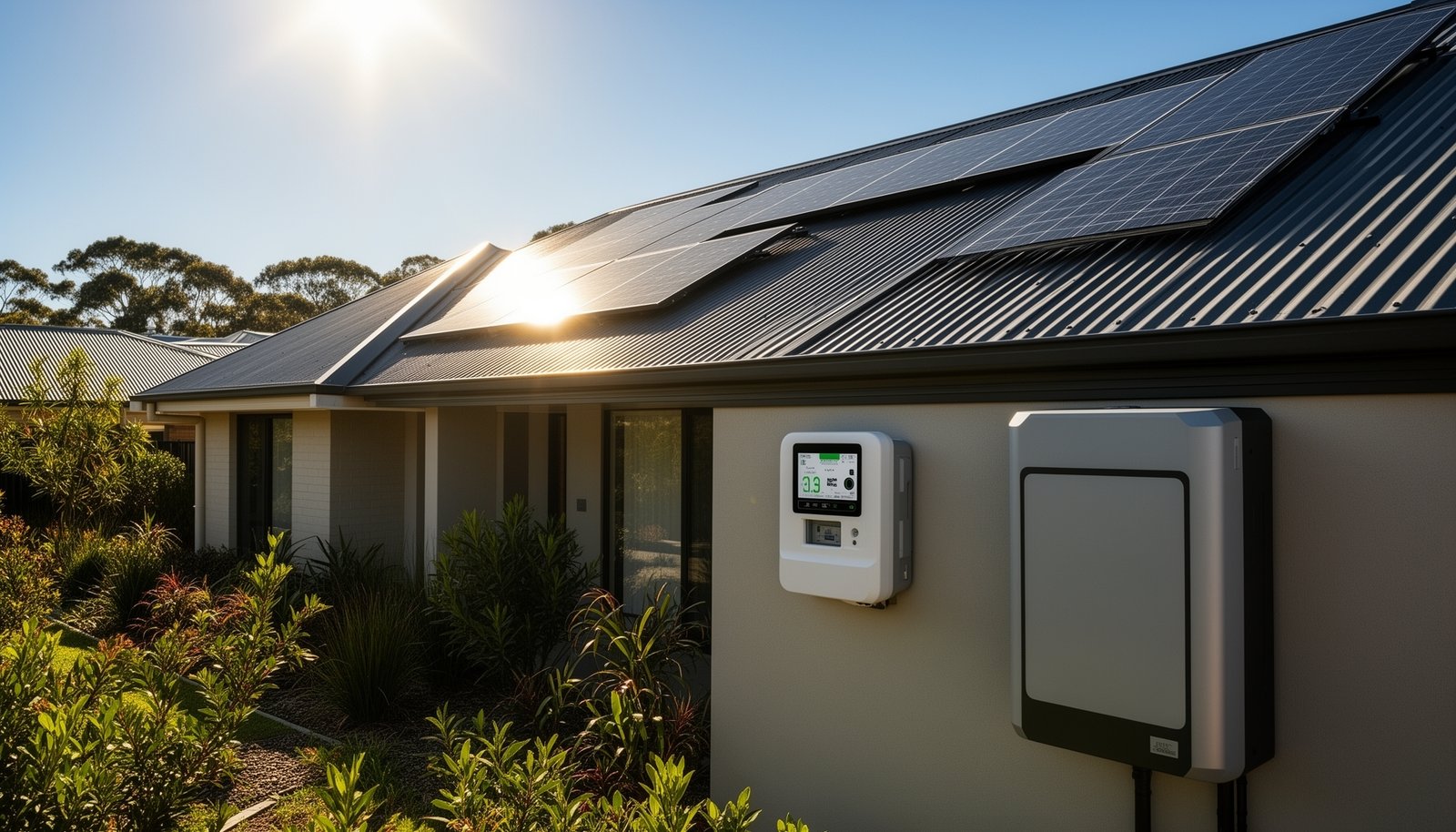
Battery storage systems play a vital role here, storing excess energy produced during peak sunlight hours for use when solar production is low. This not only reduces dependency on the grid but also ensures energy availability during peak usage times, further enhancing financial savings.
Expert Perspective
Solar Energy Specialist
As a seasoned solar energy specialist, I’ve observed that the transition from feed-in tariffs to self-consumption is a game-changer. By investing in battery storage and smart energy management systems, Australian homeowners can not only ensure energy resilience but also significantly increase the value of their property.
Future-Proofing for the EV Transition
With the imminent rise of electric vehicles (EVs), integrating solar energy into homes is essential. Solar panels paired with smart EV chargers allow homeowners to power their vehicles sustainably. This transition is not only environmentally beneficial but also economically advantageous as fuel savings accumulate over time.
The synergy between solar energy systems and EVs positions homes as micro-utilities, capable of generating and managing energy efficiently. This strategic adaptation supports Australia’s broader renewable energy goals and facilitates a seamless transition to a sustainable lifestyle.
Transforming a Family Home with Solar and Battery Storage
The Challenge
A Sydney-based family invested in a 6kW solar system with battery storage to cut down their energy bills.
The Result
Within three years, they saw a 60% reduction in their energy costs and enhanced their property’s value by 10%.
Long-term Asset Maintenance and Monitoring
Investing in solar energy is not just about installation but also about long-term maintenance and monitoring. Regular system check-ups and performance monitoring ensure optimal functionality and protect the investment. Technologies like smart inverters and performance monitoring software provide real-time data, helping homeowners manage energy use more effectively.
By maintaining high efficiency levels, homeowners can extend the lifespan of their solar systems and maximize their return on investment. This proactive approach also aids in identifying and resolving any potential issues before they escalate.
Frequently Asked Questions
The primary benefits include financial savings through reduced energy bills, government incentives, increased property value, and contribution to environmental sustainability.
Incentives vary, with states like Victoria offering rebates up to $1,850 and interest-free loans, while New South Wales provides programs for battery storage. It’s essential to check specific local programs for the best options.
Yes, solar systems can be paired with smart EV chargers to power vehicles sustainably, reducing fuel costs and enhancing energy independence.
Absolutely, with proper maintenance and monitoring, solar systems can last 25 years or more, offering consistent savings and increasing property value over time.
Battery storage systems allow homeowners to store excess energy for use during non-sunny periods, enhancing self-consumption and reducing reliance on the grid.