
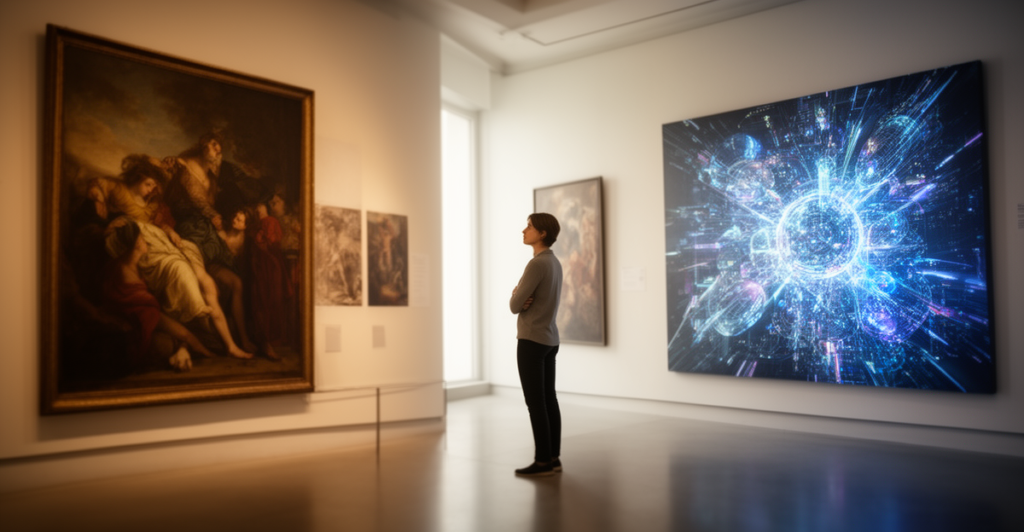
Artificial intelligence is transforming the way we make and experience art. From hyper-realistic portraits to surreal landscapes, AI-generated art is now a powerful creative tool attracting attention from artists, collectors, and the general public.
While this technological advancement offers exciting possibilities, it also raises important ethical questions. Who owns AI-generated art? What happens when an AI mimics the style of human artists? And how do we balance innovation with respect for creativity and labor?
The ethics of AI art aren’t just about technology. They’re also about culture, economics, and our understanding of art as a deeply human activity.
This article explores some of the most pressing ethical debates surrounding AI-generated art, offering a clear picture of where the conversation stands and where it’s going.
Whether you’re an artist, a developer, or simply interested in how technology changes creativity, it’s worth understanding the implications of this rapidly evolving field.
Who Owns AI-Generated Art?
Ownership is one of the most debated topics in AI art. When an AI model creates something, is it the person who trained the model, the coder who built the system, or the user who typed the prompt who owns the result?
Unlike traditional art, where the creator’s identity is clear, AI art often involves multiple actors and layers of contribution. Copyright law has yet to fully catch up with this complexity, leading to confusion in both commercial and creative contexts.
- Most jurisdictions don’t recognize AI as a legal author.
- Ownership typically falls to the model’s operator or the organization behind it.
- Licensing agreements often determine how AI-generated content can be used or sold.
Ethical Concerns Around Style Mimicry
Many AI art tools are trained on vast datasets of publicly available images, which often include human-made art without explicit permission from the artists.
This raises concerns about digital plagiarism and style appropriation. Artists argue that their unique styles are being copied without compensation or recognition.
Some platform developers are beginning to offer opt-out options for artists, but questions remain about how enforceable or fair these measures really are.
- AI can replicate the styles of living artists without consent.
- There is no clear legal protection for an artist’s style.
- Training data transparency is critical but often lacking.
Impact on Human Artists and Creative Labor
AI-generated content is often faster and cheaper to produce, which may disrupt traditional creative industries.
Graphic designers, illustrators, and concept artists express concern over job security, pay rates, and devaluation of creative effort.
At the same time, some artists are incorporating AI into their workflows, using it as a tool rather than a competitor.
- AI can reduce demand for certain types of freelance art work.
- There is fear of artists being replaced rather than supported.
- New forms of collaboration are being explored between humans and machines.
Transparency and Consent in AI Training
Training AI models requires large datasets, which are often scraped from the internet without clear consent from content creators.
This lack of transparency fuels mistrust about how models are built and whether they respect creators’ rights.
Efforts are being made to build datasets ethically, but they require industry-wide cooperation and clearer policies.
- Consent is rarely obtained for art used in AI training datasets.
- Many artists are unaware their work was included in model training.
- Calls are growing for database provenance and auditability.
The Role of Human Intention in Defining Art
Art has traditionally been valued not just for the final object, but for the intention, skill, and emotion behind its creation. This raises the philosophical question: can something without human intent be considered ‘art’?
Some argue that AI art lacks the emotional depth and subjective experience that define true creativity, while others believe the intent of the human collaborator justifies the result.
This debate is deeply subjective and may evolve as AI tools become more deeply embedded in artistic practice.
- Some critics argue AI lacks true creativity.
- Human input still influences outputs significantly through prompt design and curation.
- Definitions of ‘art’ are expanding to include human-AI hybrids.
Moving Toward Ethical Guidelines and Solutions
As AI-generated art continues to grow, so does the call for ethical frameworks that balance innovation with fairness.
Industry bodies, academic researchers, and artist communities are starting to propose guidelines for transparency, attribution, and consent.
A thoughtful approach to regulation and best practices could help ensure AI remains a tool for empowerment rather than exploitation.
- Ethical AI art must consider both copyright and moral rights.
- Clear guidelines help artists feel secure using or licensing AI tools.
- Public discourse is essential in shaping responsible standards.
Frequently Asked Questions
In most countries, only human creators can hold copyright. AI-created art typically isn’t eligible unless there’s significant human input.
It depends. Training on public data is often allowed, but commercial use of copies or imitations can raise legal and ethical issues.
Some artists face reduced demand, while others use AI to enhance their own work. The effects vary by industry and role.
This is debated. AI lacks consciousness or intent, but it can assist or partner in creative processes initiated by humans.
Transparency in data use, fair licensing, giving credit to artists, and allowing opt-outs from training sets are key steps.
Not yet. Most laws are still catching up, though discussions around digital ownership and copyright reform are ongoing.
Next Steps
undefined