
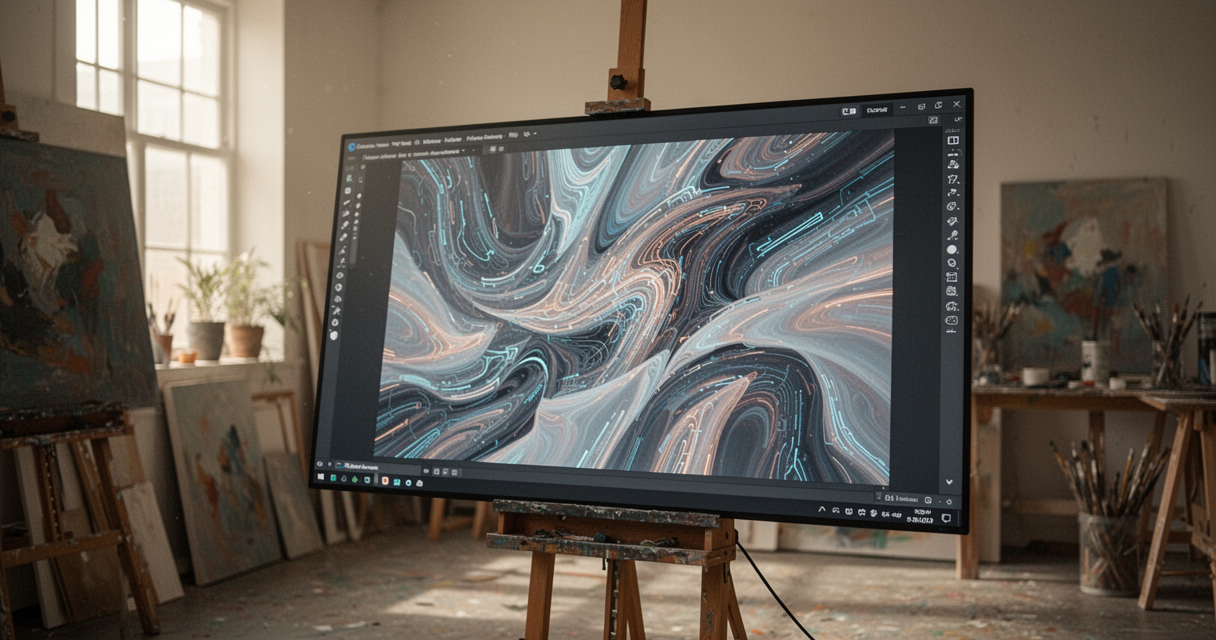
For Australian strata managers juggling tight schedules, vendor pressures, and compliance demands, understanding how emerging technologies impact various fields, including art, can be daunting but important. One of the most complex areas today is the ethics of AI-generated art.
AI art is no longer just a novelty; it is reshaping creative industries globally. As AI algorithms create stunning works, questions about ownership, originality, and transparency arise—important topics for anyone curious about how ethics intersect with technology.
This article explores the key issues surrounding the ethics of AI art, providing clarity on the AI ethics frameworks guiding its development, common dilemmas, and current debates. Whether you’re curious about AI’s role in creativity or want to stay informed on ai ethics news, this guide will demystify the subject for you.
Understanding AI and Ethics in Art
AI and ethics is a broad field that considers how artificial intelligence impacts moral values and social norms. When applied to art, this involves examining how AI-generated creations respect artistic integrity, authorship, and cultural significance.
AI art ethics focus on the implications of machines producing works that traditionally required human creativity. This raises questions about originality and accountability – who owns AI-generated art, and should AI be credited as an artist?
An ai ethics framework helps define responsible development and use of AI technologies, including art generators. These frameworks aim to balance innovation with respect for human rights, fairness, and transparency.
- AI art challenges traditional ideas of creativity and ownership
- Ethical frameworks guide AI development to respect social values
- Clarifying authorship is key to resolving AI art disputes
Key Ethical Issues in AI Generated Art
The rise of ai generated art ethics discussions highlight several pressing concerns. One is the use of copyrighted materials in training AI models without proper consent, potentially infringing on original artists’ rights.
Another issue is bias in AI art systems, which can perpetuate stereotypes or exclude marginalized voices. Transparency about how AI models are trained and what data they use is crucial to address these problems.
Finally, there is an ethical debate about the potential devaluation of human artists, as AI-generated works become more prevalent and commercially viable.
- Copyright and intellectual property concerns
- Algorithmic bias impacting artistic diversity
- Economic effects on traditional artists
AI Ethics Frameworks Guiding Art Creation
Various international organizations and researchers have proposed ai ethics framework principles that touch on art and creativity. These include ensuring transparency, accountability, respect for user privacy, and promoting fairness.
For example, some frameworks emphasize the importance of disclosure—making it clear when a work is AI-generated. Others call for collaboration between AI developers, artists, and policymakers to create balanced regulations.
These guiding principles help foster trust in AI art, encouraging responsible innovation while safeguarding cultural and moral values.
- Transparency about AI involvement in art
- Accountability for misuse of AI-generated content
- Collaboration between stakeholders for better policy
Recent Developments and AI Ethics News
The ethics of AI is a rapidly evolving field with continuous updates and news. Recent ai ethics news includes debates over copyright rulings in different countries about AI-generated art, affecting creators and platforms worldwide.
There is also growing interest in using the best AI for philosophy and ethical reasoning, applying these tools to develop stronger ethical guidelines and predictive models.
As regulatory bodies pay closer attention to AI’s impact on creative industries, staying informed on ai ethics news helps professionals anticipate changes and adapt accordingly.
- Ongoing legal cases regarding AI art ownership
- Advances in AI tools supporting ethical decision-making
- New policies emerging globally for AI content regulation
Practical Tips for Engaging with AI Art Ethically
Engaging with AI art ethically requires awareness and practical steps. Whether you are an artist, buyer, or enthusiast, it’s important to ask questions about how the AI was trained and what data was used.
Respect for human creativity means giving credit where due, even if AI played a role in creation. Transparency in marketing AI-generated art also avoids misleading consumers.
Lastly, supporting ethical AI developers and platforms that prioritize fairness and openness can contribute to a healthier creative ecosystem.
- Verify the origins and training data of AI art tools
- Disclose AI involvement when showcasing or selling art
- Support creators and platforms with ethical AI policies
Frequently Asked Questions
AI art ethics examines the moral questions around AI creating artwork, focusing on ownership, fairness, transparency, and respect for human creativity.
Ownership depends on local laws and usage agreements, but often remains complex due to AI involvement without direct human authorship.
AI can both challenge and complement artists by changing how art is created, potentially impacting economic opportunities and artistic recognition.
An AI ethics framework provides guidelines to ensure AI technologies are developed and used responsibly, respecting values like transparency and accountability.
Currently, AI is viewed as a tool rather than an independent creator. Ethical debates continue on how to credit AI’s role in art.
Following technology news sites, academic publications, and AI ethics organizations provides current information on developments and debates.
Yes, several organizations and projects maintain online repositories and encyclopedias that explain AI concepts and ethical considerations.